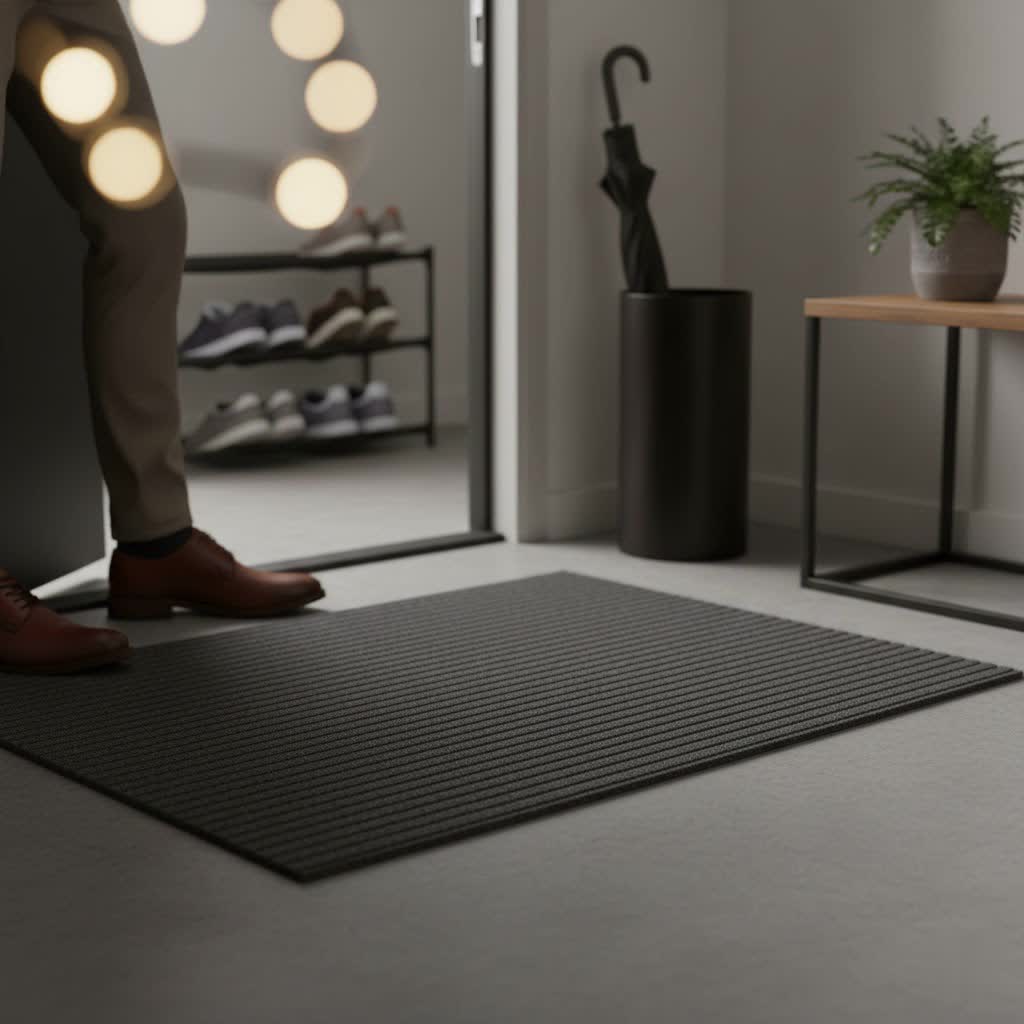
Stepping through your front door marks a transition – from the outside world to the comfort of your home. A Home Door Mat isn’t just a decorative accessory; it’s the unsung hero of your entryway, standing guard against dirt, debris, and moisture while setting the tone for your living space. Choosing the right one can feel overwhelming with the myriad of options available. But don’t worry, we’re here to guide you through the world of home door mats, helping you find the ideal blend of functionality, durability, and style to protect your floors and welcome your guests.
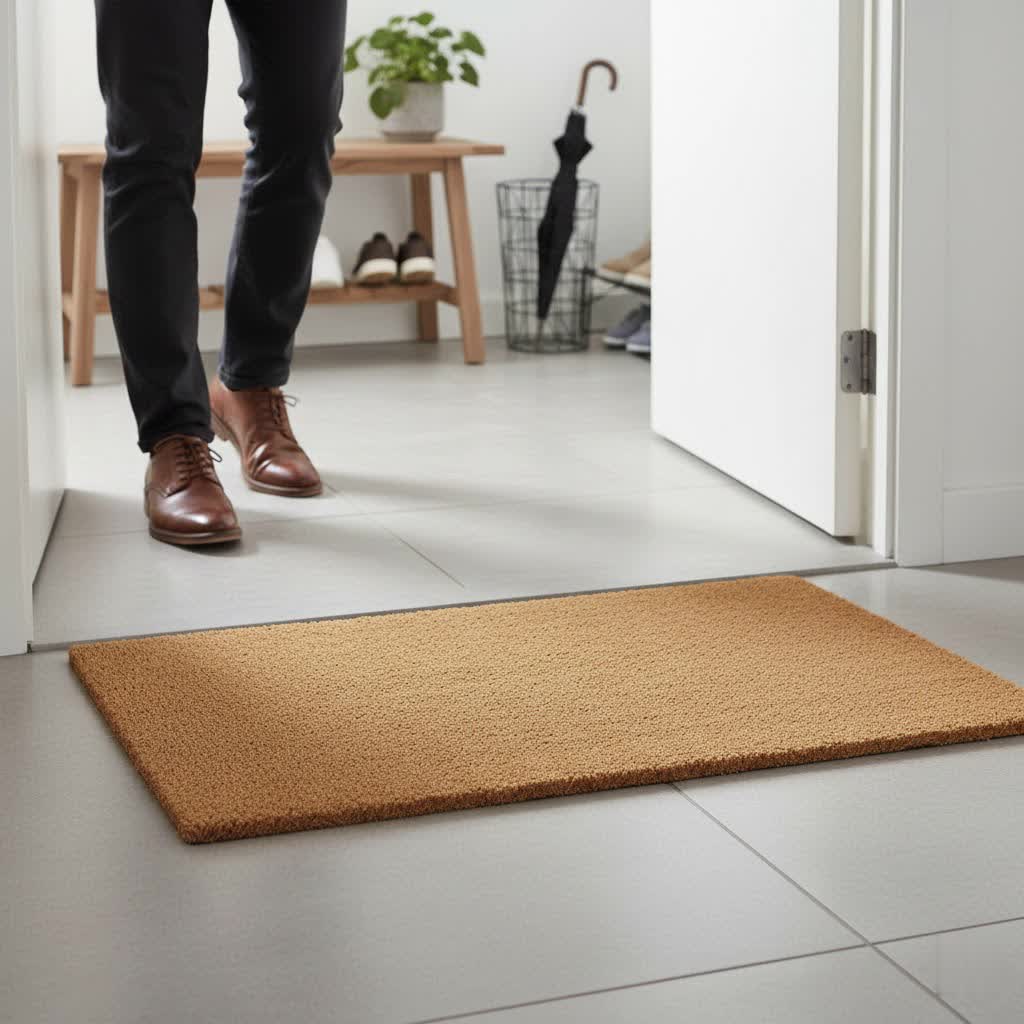
Popular Types of Home Door Mats
The material of your door mat is crucial as it dictates its performance, durability, and aesthetic appeal. Understanding the pros and cons of each type will help you make an informed decision for your home.
Synthetic Fiber Door Mats
Synthetic mats are crafted from man-made materials like polyester, nylon, polypropylene, and microfiber. These are highly versatile and engineered for specific performance benefits.
- Advantages: Synthetic fibers are generally affordable, easy to clean, and come in a vast array of colors, patterns, and designs. They are often weather-resistant, resisting fading, mold, and mildew, making them suitable for both indoor and outdoor use. Microfiber mats, in particular, excel at absorbing moisture and trapping fine dirt particles. Many synthetic mats also feature non-slip backings for added safety.
- Disadvantages: While durable, some synthetic mats may not offer the same heavy-duty scraping power as natural fibers like coir. Less dense synthetic options might show wear more quickly than more robust materials. Some can also feel less natural or luxurious underfoot.
|
Our Picks for the Best Door Mat in 2026
We may earn a commission when you use one of our links to make a purchase.
|
||
| Num | Product | Action |
|---|---|---|
| 1 | Sturdy Front Door Mat, Absorbent Muddy Dirt Resist Welcome Door Mats Outdoor Indoor, Stain and Fade Resistant, Non-Slip Backing Entry Mat Low Profile Doormat for Entryway, 29×17, Coffee |

|
| 2 | OLANLY Front Door Mat Indoor Outdoor Entrance, Waterproof All-Season, All-Weather Doormat, Sturdy Natural Rubber, Fade Resistant, Low Profile, Easy Clean Patio Porch Entryway Mat, 29.5x17, Dark Brown |
|
| 3 | Sturdy Front Door Mat, Absorbent Muddy Dirt Resist Welcome Door Mats Outdoor Indoor, Stain and Fade Resistant, Non-Slip Backing Entry Mat Low Profile Doormat for Entryway, 29×17, Beige |
|
| 4 | OLANLY Front Door Mat Indoor Outdoor Entrance, Waterproof All-Season, All-Weather Doormat, Sturdy Natural Rubber, Fade Resistant, Low Profile, Easy Clean Patio Porch Entryway Mat, 29.5x17, Dark Grey |
|
| 5 | OLANLY Front Door Mat Indoor Outdoor Entrance, Waterproof All-Season, All-Weather Doormat, Sturdy Natural Rubber, Fade Resistant, Low Profile, Easy Clean Patio Porch Entryway Mat, 29.5x17, Blue |
|
| 6 | OLANLY Front Door Mat Indoor Outdoor Entrance, Waterproof All-Season, All-Weather Doormat, Sturdy Natural Rubber, Fade Resistant, Low Profile, Easy Clean Patio Porch Entryway Mat, 29.5x17, Brown |
|
| 7 | Sturdy Front Door Mat, Absorbent Muddy Dirt Resist Welcome Door Mats Outdoor Indoor, Stain and Fade Resistant, Non-Slip Backing Entry Mat Low Profile Doormat for Entryway, 36×24, Blue |
|
| 8 | OLANLY Front Door Mat Indoor Outdoor Entrance, Waterproof All-Season, All-Weather Doormat, Sturdy Natural Rubber, Fade Resistant, Low Profile, Easy Clean Patio Porch Entryway Mat, 29.5x17, Black |
|
| 9 | OLANLY Front Door Mat Indoor Outdoor Entrance, Waterproof All-Season, All-Weather Doormat, Sturdy Natural Rubber, Fade Resistant, Low Profile, Easy Clean Patio Porch Entryway Mat, 29.5x17, Beige |
|
| 10 | Sturdy Front Door Mat, Absorbent Muddy Dirt Resist Welcome Door Mats Outdoor Indoor, Stain and Fade Resistant, Non-Slip Backing Entry Mat Low Profile Doormat for Entryway, 29×17, Black |
|
Natural Fiber Door Mats
Natural fiber door mats, derived from plants, offer an eco-friendly appeal and distinctive textures that add rustic charm to any entrance. Common materials include coir, cotton, jute, and bamboo.
- Advantages:
- Coir (Coconut Husk): Known for its tough, bristly texture, coir is excellent at scraping mud and debris from shoes, making it a powerful dirt-trapping option. It’s naturally durable, eco-friendly, and offers a classic, rustic aesthetic.
- Cotton: Highly absorbent, cotton mats are superb for soaking up moisture, oil, and grease. They are soft underfoot and often machine washable, ideal for indoor areas where comfort and frequent cleaning are priorities.
- Jute: Softer than coir, jute mats offer a warm, natural look, best suited for indoor or low-moisture, sheltered outdoor areas.
- Bamboo: Durable and resistant to moisture, bamboo mats are versatile for both indoor and outdoor settings, providing a sleek, contemporary natural look.
- Disadvantages:
- Coir: Can shed fibers, especially when new or in high-traffic areas. It’s more susceptible to water damage and can take longer to dry if exposed to heavy rain, potentially leading to mold or mildew if not properly maintained in a covered area.
- Cotton: Tends to flatten over time with heavy use and is not as effective at scraping dry dirt as coir. Not recommended for harsh outdoor conditions.
- Jute: Less durable than coir for heavy traffic and should be kept away from excessive moisture.
- Bamboo: Can be more rigid and less effective at trapping fine dirt than fibrous mats.
Rubber Door Mats
Rubber door mats are built for performance, focusing on durability, weather resistance, and safety. They are often made from natural rubber, synthetic nitrile rubber, or recycled rubber.
- Advantages: Rubber mats are incredibly durable, weather-resistant, and excel in heavy-duty applications, particularly outdoors or in rainy environments. Their inherent non-slip properties provide excellent grip, preventing slips and falls. Open-holed designs are especially effective at scraping dirt and allowing debris and water to drain through, keeping the surface cleaner. Nitrile rubber offers enhanced resistance to oils, chemicals, and extreme temperatures.
- Disadvantages: Rubber mats can be heavy and may have a distinct rubber odor, especially when new. While highly functional, they typically offer fewer aesthetic design options compared to fiber mats, often having a more utilitarian appearance. Natural rubber can also crack in extremely cold temperatures.
Comparison Table: Types of Home Door Mats
| Type of Mat | Advantages | Disadvantages | Best Suited For |
|---|---|---|---|
| Synthetic Fiber | Affordable, easy to clean, weather-resistant, diverse designs, good absorption (microfiber). | Less natural feel, some less effective at deep scraping. | High-traffic areas, all-weather outdoor, indoor, diverse styles. |
| Natural Fiber | Eco-friendly, excellent dirt scraping (coir), high absorbency (cotton), rustic appeal. | Can shed (coir), susceptible to water damage (coir, jute), flattens (cotton), harder to clean. | Covered outdoor, indoor (coir, cotton, jute), dry climates. |
| Rubber | Highly durable, weather-resistant, excellent non-slip, heavy-duty, easy to clean (hose). | Less aesthetic variety, can have odor, heavy, natural rubber can crack in cold. | Heavy-traffic outdoor, wet/muddy areas, safety-critical entrances. |
How to Choose the Perfect Home Door Mat
Selecting the right door mat involves more than just picking one that looks good. Consider these factors to ensure your mat meets both your practical and aesthetic needs.
Assess Your Usage Needs
Before diving into materials and styles, think about where the mat will be placed and its primary function.
- Location: Will it be an outdoor doormat, exposed to the elements, or an indoor doormat in a sheltered entryway? Outdoor mats need to withstand rain, snow, and UV rays, while indoor mats might prioritize comfort and finer dirt trapping.
- Foot Traffic: Is it for a bustling main entrance with heavy daily foot traffic, or a less-used back door? High-traffic areas demand more durable, robust materials.
- Purpose: Is its main job to scrape off mud, absorb moisture, prevent slips, or primarily enhance curb appeal? A mat for a rainy region will differ from one in a dry climate.
Material Matters
As discussed, different materials offer distinct advantages. For outdoor use, especially in wet or snowy conditions, rubber or durable synthetic (like polypropylene) mats are excellent choices due to their weather resistance and non-slip properties. Coir mats are superb for scraping dirt in covered outdoor areas or indoors, while cotton and microfiber are ideal for absorbing moisture inside. If you live in a rural area with lots of mud, a heavy-duty rubber or coir mat might be your best bet.
Size and Shape
The right size ensures both functionality and aesthetic balance.
- Size: A good rule of thumb is to choose a mat that is at least as wide as your doorway, or approximately 80% of its width. This allows people to wipe both feet without stepping off. Standard sizes like 18″x30″ or 24″x36″ are common for single doors. For double doors, opt for a wider mat (e.g., 24″x48″ or larger) or place two standard mats side-by-side to ensure adequate coverage.
- Shape: While rectangular mats are most common, semi-circular, oval, or unique die-cut shapes can add visual interest and complement specific architectural styles or smaller entryways.
Style and Aesthetics
Your door mat is often the first impression guests have of your home.
- Color and Pattern: Choose colors that complement your home’s exterior or interior decor. Neutral tones like grey or beige are versatile and good at hiding dirt, while vibrant colors or playful patterns can add a pop of personality.
- Design: From welcoming messages (“Hello,” “Welcome”) to seasonal themes or minimalist designs, select a style that reflects your home’s personality and creates an inviting atmosphere.
- Layering: For a more curated look, consider layering a smaller decorative door mat over a larger, plain outdoor rug.
Maintenance and Care
Ease of cleaning is a practical consideration.
- Look for mats that are easy to maintain; many can simply be shaken out, vacuumed, hosed down, or even machine-washed (like some cotton and microfiber options). Regular cleaning helps maintain the mat’s effectiveness and longevity.
- Expert Insight: “Regular maintenance is crucial for a doormat’s effectiveness and appearance. A mat that’s easy to clean will be cleaned more often, ensuring it continues to trap dirt effectively and keeps your home spotless.” – Sarah Chen, Home Organization Specialist.
Safety Features
A non-slip backing is paramount, especially for mats placed on smooth surfaces like tile or hardwood. Rubber-backed mats are excellent for providing a secure grip, reducing the risk of trips and falls, particularly in wet conditions.
Top Picks for Home Door Mats
While specific product recommendations can vary, certain types consistently receive high ratings for their performance and features.
The All-Weather Workhorse Mat
These mats, often made from durable synthetic fibers like polypropylene or rubber, are celebrated for their ability to withstand harsh weather conditions and heavy foot traffic. They typically feature excellent dirt-trapping grooves and a robust non-slip backing, making them ideal for any outdoor entrance.
The Eco-Chic Natural Scraper
For those who prefer a natural aesthetic, high-quality coir mats are consistently top-rated. Praised for their superior shoe-scraping ability and rustic charm, they effectively keep mud and debris from entering the home, especially when placed in covered outdoor areas.
The Super Absorbent Indoor Essential
Microfiber or high-pile cotton mats are frequently lauded for their exceptional moisture absorption. These plush, soft mats are perfect for indoor entryways, mudrooms, or even bathrooms, quickly soaking up wet footprints and preventing tracking. Many are also machine washable for easy care.
The Stylish Personalized Welcome Mat
Often crafted from coir or durable synthetic blends, these mats allow for personalization with monograms, family names, or unique messages. They combine high functionality with strong aesthetic appeal, creating a warm and memorable first impression.
Conclusion
Choosing the perfect home door mat is a small decision that yields significant benefits, from protecting your floors and maintaining cleanliness to enhancing your home’s curb appeal. By considering your specific needs, exploring the variety of materials, and prioritizing both functionality and style, you can find a mat that stands as a true guardian for your entryway. Whether you opt for the rugged efficiency of rubber, the natural charm of coir, or the modern versatility of synthetics, investing in a quality door mat is an investment in your home’s cleanliness and welcoming ambiance.
What kind of first impression do you want your home to make, and what role will your perfect door mat play in that welcome?
Frequently Asked Questions
Can coir mats get wet?
Coir mats are naturally water-resistant to a degree and can handle some moisture. However, prolonged exposure to heavy rain or constant dampness can lead to shedding, mildew, and reduced lifespan. They are best suited for covered outdoor areas or dry climates.
How often should I clean my home door mat?
The frequency depends on foot traffic and weather conditions. For high-traffic areas or during wet seasons, weekly cleaning (shaking out, vacuuming, or hosing down) is recommended. For lighter use, cleaning every two to four weeks should suffice to keep it effective and hygienic.
Are rubber-backed door mats safe for all floor types?
Rubber-backed door mats are generally safe for most floor types and are excellent for preventing slips. However, on some delicate finishes or in certain conditions, rubber can potentially react with or stain specific flooring materials over a very long period. It’s always a good idea to check the mat’s specifications and your flooring manufacturer’s recommendations.
What size door mat is best for a standard single front door?
For a standard single front door, a mat measuring approximately 18″ x 30″ or 24″ x 36″ is typically recommended. The mat should ideally be at least 80% of the width of your doorway to ensure sufficient space for wiping feet effectively.
How do I prevent my outdoor door mat from blowing away in the wind?
To prevent your outdoor door mat from blowing away, choose a heavier mat made from materials like rubber or dense coir. Mats with a heavy, textured rubber backing also provide better grip on the ground. For particularly windy areas, consider securing the mat with an outdoor rug gripper or choosing a design that is naturally substantial.