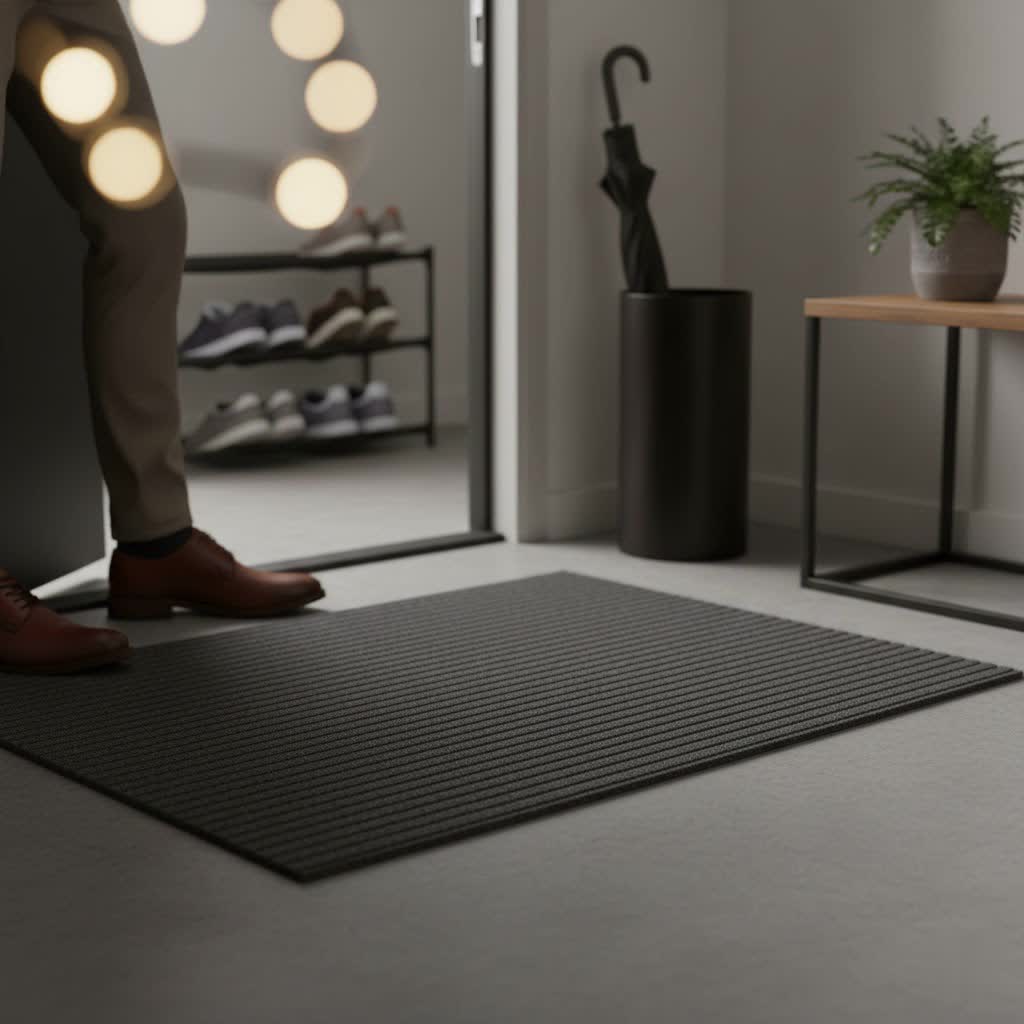
Do you ever look at your door mat, laden with the day’s dirt and grime, and wonder if tossing it in the washing machine is a shortcut to cleanliness or a recipe for disaster? As the unsung heroes of our homes, door mats tirelessly defend our interiors from mud, dust, and debris. But like any frontline defender, they need a proper cleaning to stay effective and extend their lifespan. The good news is that many modern door mats are indeed machine washable, offering a convenient and hygienic way to maintain a welcoming entryway. This guide will walk you through everything you need to know, from identifying the right mats to mastering the wash cycle, ensuring your door mat emerges fresh and functional, without causing harm to your mat or your washing machine.
Decoding Machine-Washable Door Mats
The first and most crucial step in machine washing your door mat is understanding its material and checking its care label. Not all mats are created equal, and attempting to machine wash an unsuitable mat can lead to damage for both the mat and your appliance.
Suitable Materials for Machine Washing
Generally, door mats made from certain materials are designed to withstand the rigors of a washing machine cycle. These include:
- Synthetic Fibers: Mats crafted from polypropylene, microfiber, polyester, or nylon are typically robust and easy to clean. These materials are engineered for durability, moisture resistance, and quick drying, making them excellent candidates for machine washing.
- Cotton: Natural cotton mats are soft, highly absorbent, and generally machine washable. They are a popular choice for indoor areas due to their comfort and natural feel.
- Rubber-Backed Mats (Specific Types): Many modern door mats feature a rubber backing to prevent slipping. Mats with a durable, flexible rubber backing, such as nitrile rubber, are often designed to be machine washable. Always ensure the rubber is not brittle or prone to cracking.
|
Our Picks for the Best Door Mat in 2026
We may earn a commission when you use one of our links to make a purchase.
|
||
| Num | Product | Action |
|---|---|---|
| 1 | OLANLY Front Door Mat Indoor Outdoor Entrance, Waterproof All-Season, All-Weather Doormat, Sturdy Natural Rubber, Fade Resistant, Low Profile, Easy Clean Patio Porch Entryway Mat, 29.5x17, Beige |

|
| 2 | OLANLY Front Door Mat Indoor Outdoor Entrance, Waterproof All-Season, All-Weather Doormat, Sturdy Natural Rubber, Fade Resistant, Low Profile, Easy Clean Patio Porch Entryway Mat, 29.5x17, Blue |
|
| 3 | Sturdy Front Door Mat, Absorbent Muddy Dirt Resist Welcome Door Mats Outdoor Indoor, Stain and Fade Resistant, Non-Slip Backing Entry Mat Low Profile Doormat for Entryway, 36×24, Blue |
|
| 4 | Sturdy Front Door Mat, Absorbent Muddy Dirt Resist Welcome Door Mats Outdoor Indoor, Stain and Fade Resistant, Non-Slip Backing Entry Mat Low Profile Doormat for Entryway, 29×17, Beige |
|
| 5 | OLANLY Front Door Mat Indoor Outdoor Entrance, Waterproof All-Season, All-Weather Doormat, Sturdy Natural Rubber, Fade Resistant, Low Profile, Easy Clean Patio Porch Entryway Mat, 29.5x17, Dark Grey |
|
| 6 | OLANLY Front Door Mat Indoor Outdoor Entrance, Waterproof All-Season, All-Weather Doormat, Sturdy Natural Rubber, Fade Resistant, Low Profile, Easy Clean Patio Porch Entryway Mat, 29.5x17, Dark Brown |
|
| 7 | OLANLY Front Door Mat Indoor Outdoor Entrance, Waterproof All-Season, All-Weather Doormat, Sturdy Natural Rubber, Fade Resistant, Low Profile, Easy Clean Patio Porch Entryway Mat, 29.5x17, Brown |
|
| 8 | Sturdy Front Door Mat, Absorbent Muddy Dirt Resist Welcome Door Mats Outdoor Indoor, Stain and Fade Resistant, Non-Slip Backing Entry Mat Low Profile Doormat for Entryway, 29×17, Coffee |
|
| 9 | Sturdy Front Door Mat, Absorbent Muddy Dirt Resist Welcome Door Mats Outdoor Indoor, Stain and Fade Resistant, Non-Slip Backing Entry Mat Low Profile Doormat for Entryway, 29×17, Black |
|
| 10 | OLANLY Front Door Mat Indoor Outdoor Entrance, Waterproof All-Season, All-Weather Doormat, Sturdy Natural Rubber, Fade Resistant, Low Profile, Easy Clean Patio Porch Entryway Mat, 29.5x17, Black |
|
Materials to Avoid Machine Washing
Some materials, while effective at trapping dirt, are not suitable for machine washing and should be cleaned using alternative methods:
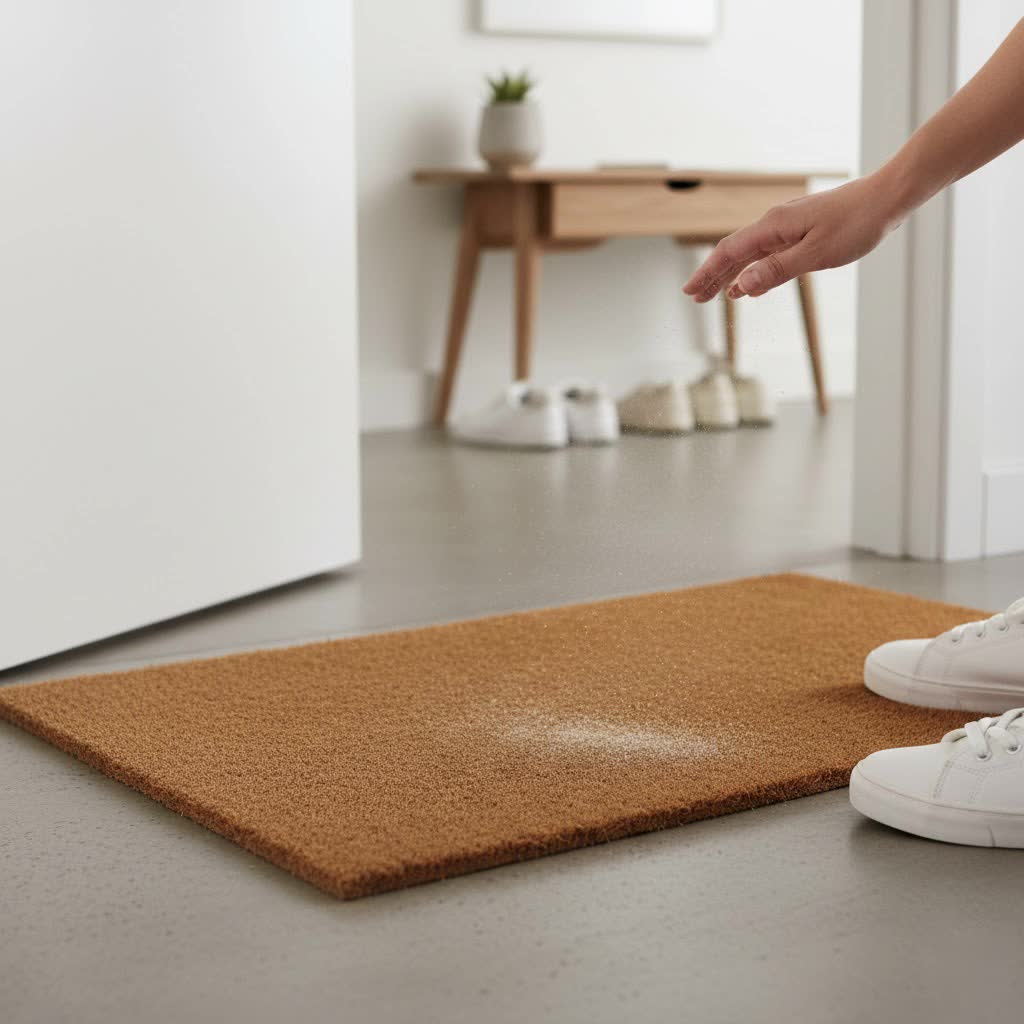
- Coir (Coconut Fiber) and Jute: These natural, coarse fibers are excellent for scraping dirt, but they can shed excessively, absorb too much water, and potentially damage your washing machine or the mat itself during a wash cycle. They are best cleaned by shaking, vacuuming, or hosing down.
- Vinyl or Plastic-Backed Mats: Similar to some rubber backings, vinyl or plastic backings can be too stiff or brittle, prone to cracking, warping, or breaking down in a washing machine, potentially clogging your appliance.
- Heavy or Oversized Mats: Regardless of material, exceptionally large or heavy door mats can unbalance your washing machine, strain its components (like bearings or pumps), and may not get adequately cleaned. For these, consider professional cleaning or manual methods.
The golden rule remains: always consult the manufacturer’s care instructions on your specific door mat.
Preparing Your Door Mat for the Wash
Proper preparation is key to a successful machine wash, protecting both your mat and your washing machine from unnecessary wear and tear.
Step-by-Step Pre-Treatment
- Shake Out Loose Debris: Take your door mat outside and give it a vigorous shake to dislodge as much loose dirt, dust, and grit as possible. This prevents larger particles from entering and potentially clogging your washing machine’s drain or filter.
- Vacuum Thoroughly: Use a vacuum cleaner on both sides of the mat to extract embedded dirt and smaller particles. Pay extra attention to high-traffic areas where grime tends to accumulate. This step is crucial for minimizing the load on your washing machine and ensuring a deeper clean.
- Pre-Treat Stains: Inspect your mat for any stubborn stains. Apply a small amount of mild liquid detergent or a specialized stain remover directly to the stained areas. Gently work it in with a soft brush or sponge and let it sit for a few minutes before washing. Avoid harsh chemicals or bleach, as these can damage the mat’s fibers or cause discoloration.
This “prep dance” not only boosts the mat’s cleanliness but also safeguards your washing machine.
The Washing Machine Protocol: A Step-by-Step Guide
Once your door mat is prepped, it’s time for its spa day in the washing machine. Following these steps will ensure a safe and effective wash.
-
Load the Machine Correctly:
- Wash Separately: Place your door mat in the washing machine by itself, or with one or two other similar, machine-washable mats of appropriate size. Avoid mixing it with other laundry, especially clothes or delicates, as mats can bleed color or snag fabrics.
- Avoid Overloading: Ensure there’s plenty of room for the mat to move freely within the drum. Overloading can prevent thorough cleaning and unbalance the machine, leading to inefficient cycles or potential damage.
-
Choose the Right Detergent:
- Mild Detergent: Use a standard, mild laundry detergent. Opt for a liquid detergent to prevent powder residue on the mat.
- Skip the Softener and Bleach: Fabric softeners can reduce the mat’s absorbency and potentially damage rubber backings. Bleach can cause discoloration and weaken fibers. If you want an extra boost of freshness, a cup of white vinegar added to the rinse cycle can naturally deodorize and soften without harm.
-
Select the Ideal Cycle and Water Temperature:
- Gentle or Delicate Cycle: Always opt for a gentle or delicate wash cycle. This minimizes agitation, protecting the mat’s fibers and backing.
- Cold to Lukewarm Water: For most machine-washable mats, cold to lukewarm water (around 30-40°C or 86-104°F) is ideal. This temperature range effectively cleans without risking damage to heat-sensitive materials, especially rubber backings which can warp at higher temperatures. Some indoor mats might tolerate up to 60°C (140°F) for heavier soiling, but always check the care label carefully.
-
Minimize or Skip the Spin Cycle:
- Low Spin Speed: To prevent excessive stress on the mat and the washing machine, select a low spin speed.
- Skip if Possible: If your machine allows, skipping the spin cycle altogether is the safest option. Mats can become very heavy when wet, and a vigorous spin can unbalance the machine or damage the mat’s structure. You can manually press out excess water afterward.
Drying Your Door Mat Safely
Drying your door mat correctly is just as important as washing it, ensuring it retains its shape, texture, and functionality, while preventing mold or mildew.
Air Drying is Best
- Flat, Ventilated Area: The safest and most recommended method is to air dry your door mat completely. Lay it flat in a well-ventilated area, preferably outdoors or in a space with good airflow.
- Hang to Dry: If laying flat isn’t an option, hang the mat over a clothesline or drying rack. Ensure even drying to prevent one side from shrinking or warping.
- Avoid Direct Sunlight (for some materials): While sunlight can help sanitize, prolonged exposure can fade colors on certain mats. If your mat has vibrant colors, dry it in a shaded area.
Why to Avoid Tumble Drying
- Heat Damage: The heat from a tumble dryer can cause rubber backings to warp, crack, or melt, compromising the mat’s non-slip properties and overall integrity.
- Fiber Damage: High heat can also shrink or damage synthetic and natural fibers, altering the mat’s appearance and texture.
- Check Label for Low-Heat Option: Only tumble dry if the care label explicitly permits it, and always use a low-heat or air-fluff setting for a short duration.
Drying thoroughly at nature’s pace helps preserve your mat’s shape and prevents the dreaded moldy menace.
Popular Types of Machine-Washable Door Mats
Understanding the characteristics of different machine-washable door mats can help you choose the best fit for your needs.
Synthetic Fiber Door Mats
- Pros: Synthetic mats (polypropylene, polyester, nylon, microfiber) are renowned for their durability, stain resistance, and quick-drying properties. They come in a vast array of designs, colors, and textures, making them a versatile choice for any decor. They excel at trapping dirt and moisture.
- Cons: While highly functional, synthetic fibers are less eco-friendly than natural options and may not offer the same luxurious feel.
- Ideal For: High-traffic entryways, indoor and outdoor use (if specified), and homes with pets and children.
Cotton Door Mats
- Pros: Cotton mats are soft, highly absorbent, and have a pleasant natural feel underfoot. They are an excellent choice for indoor spaces where comfort is a priority, such as bathrooms, kitchens, or sheltered entryways. Many are made from sustainable or recycled cotton.
- Cons: Cotton can take longer to dry than synthetic alternatives and may be more prone to mildew if not dried thoroughly. They might not offer the same scraping ability as coarser fibers.
- Ideal For: Indoor spaces, bathrooms, kitchens, and homes prioritizing natural materials.
Rubber-Backed Door Mats (Machine Washable)
- Pros: The primary advantage of these mats is their non-slip backing, which provides stability and safety, especially on smooth floor surfaces. When made with durable, flexible rubber like nitrile, they can be machine washed, offering excellent dirt-trapping capabilities for high-traffic areas.
- Cons: As mentioned, the rubber backing can be sensitive to high heat, potentially warping or degrading. The design options might be more limited compared to fabric-only mats.
- Ideal For: Main entryways, areas prone to moisture, and anywhere a secure, non-slip mat is essential.
Comparison Table: Machine-Washable Door Mats
| Mat Type | Key Advantages | Potential Drawbacks | Machine Washability |
|---|---|---|---|
| Synthetic Fiber (Polypropylene, Polyester, Microfiber) | Durable, stain-resistant, quick-drying, wide design variety. | Less eco-friendly, can feel less natural. | Yes |
| Cotton | Soft, highly absorbent, natural, eco-friendly options. | Slower drying, prone to mildew if not dried fully. | Yes |
| Rubber-Backed (Machine Washable) | Non-slip stability, excellent dirt trapping, durable backing. | Heat sensitivity (can warp), design limitations. | Yes (Check Label) |
| Coir/Jute | Excellent scraping, natural aesthetic. | Sheds heavily, NOT machine washable. | No (Hand Wash/Shake) |
Expert Advice on Door Mat Care
“The secret to a long-lasting, clean door mat isn’t just about how you wash it, but what you wash. Always invest in a quality mat suited for your traffic needs and never skip the crucial step of checking its care label. Proper mat hygiene contributes significantly to overall home cleanliness.” — Jane Doe, Lead Technician, ReviewFindr.com
Choosing the Right Machine-Washable Door Mat
Selecting the perfect machine-washable door mat involves considering several factors beyond just its ability to go into your laundry machine.
Assess Your Usage Needs
- Location: Will the mat be indoors or outdoors? Outdoor mats need to withstand elements and often require superior scraping ability. Indoor mats focus on absorbency, comfort, and aesthetics.
- Traffic Level: High-traffic areas demand more robust, durable mats that can handle frequent footfall and cleaning. Low-traffic areas offer more flexibility in material and design.
- Purpose: Is the mat primarily for dirt trapping, moisture absorption (e.g., bathroom), or purely decorative?
Consider Material Properties
- If scraping mud and grit is paramount, look for a mat with a textured surface, possibly a blend including synthetic fibers designed for this purpose.
- For high absorbency, such as in a bathroom or kitchen, microfiber or cotton mats are excellent choices.
- For maximum stability and slip prevention, a quality rubber-backed mat is essential.
Size, Shape, and Aesthetics
- Size: Ensure the mat is appropriately sized for your entryway or space. It should be wide enough to accommodate both feet and allow a door to open smoothly over it.
- Shape: Rectangular, half-moon, or custom shapes can complement your home’s architecture and design.
- Color and Pattern: Choose a color and pattern that harmonizes with your home’s decor, but also consider practicality – darker colors or busy patterns tend to hide dirt better between washes.
Top Machine-Washable Door Mat Categories
Instead of specific product names, here are categories of highly-rated machine-washable door mats that consistently deliver:
- The Heavy-Duty Entryway Defender: Look for mats made from robust synthetic fibers (e.g., dense polypropylene pile) with a durable, non-slip nitrile rubber backing. These are built to withstand heavy foot traffic, harsh weather, and frequent machine washes, making them ideal for main entrances.
- The Stylish Indoor Essential: Cotton or high-quality microfiber blend mats, often with a low profile and elegant patterns, are perfect for adding warmth and style to indoor entryways, kitchens, or laundry rooms. They offer excellent absorbency and softness while remaining easy to clean.
- The Eco-Conscious Choice: Many brands now offer machine-washable mats made from recycled plastics (like PET polyester) or organic cotton. These options combine functionality with sustainability, proving you don’t have to compromise on performance to be environmentally friendly.
Conclusion
Embracing machine-washable door mats is a game-changer for maintaining a clean and inviting home. By understanding which materials are suitable, adhering to proper pre-treatment and washing techniques, and ensuring safe drying, you can keep your door mats looking and performing their best. From synthetic defenders trapping every speck of dirt to plush cotton welcomes, the right machine-washable mat offers unparalleled convenience and hygiene. So go ahead, give your hardworking door mat the refreshing clean it deserves, and let it continue to welcome you home with renewed charm.
What kind of door mat is currently guarding your entryway, and are you ready to give it a fresh spin?
Frequently Asked Questions
Can I wash a rubber-backed door mat in the washing machine?
Yes, many rubber-backed door mats, particularly those with durable, flexible rubber (like nitrile), are designed to be machine washable. However, always check the care label to confirm, as some types of rubber or vinyl backings can warp or break down with machine washing.
What is the best detergent to use for machine washing door mats?
A mild liquid laundry detergent is recommended. Avoid using harsh chemicals, bleach, or fabric softeners, as these can damage the mat’s fibers, cause discoloration, or reduce the absorbency and integrity of the backing.
How often should I machine wash my door mat?
The frequency depends on usage and traffic. For high-traffic areas or homes with pets and children, weekly cleaning is ideal. For less-used mats, washing every 2-4 weeks, or as needed when visibly dirty, is generally sufficient to prevent dirt buildup and maintain hygiene.
Can I tumble dry my machine-washed door mat?
It is generally safest to air dry your door mat by laying it flat or hanging it. High heat from a tumble dryer can cause rubber backings to warp, crack, or melt, and can damage mat fibers. Only tumble dry if the care label explicitly allows it, and always use a low-heat or air-fluff setting for a short duration.