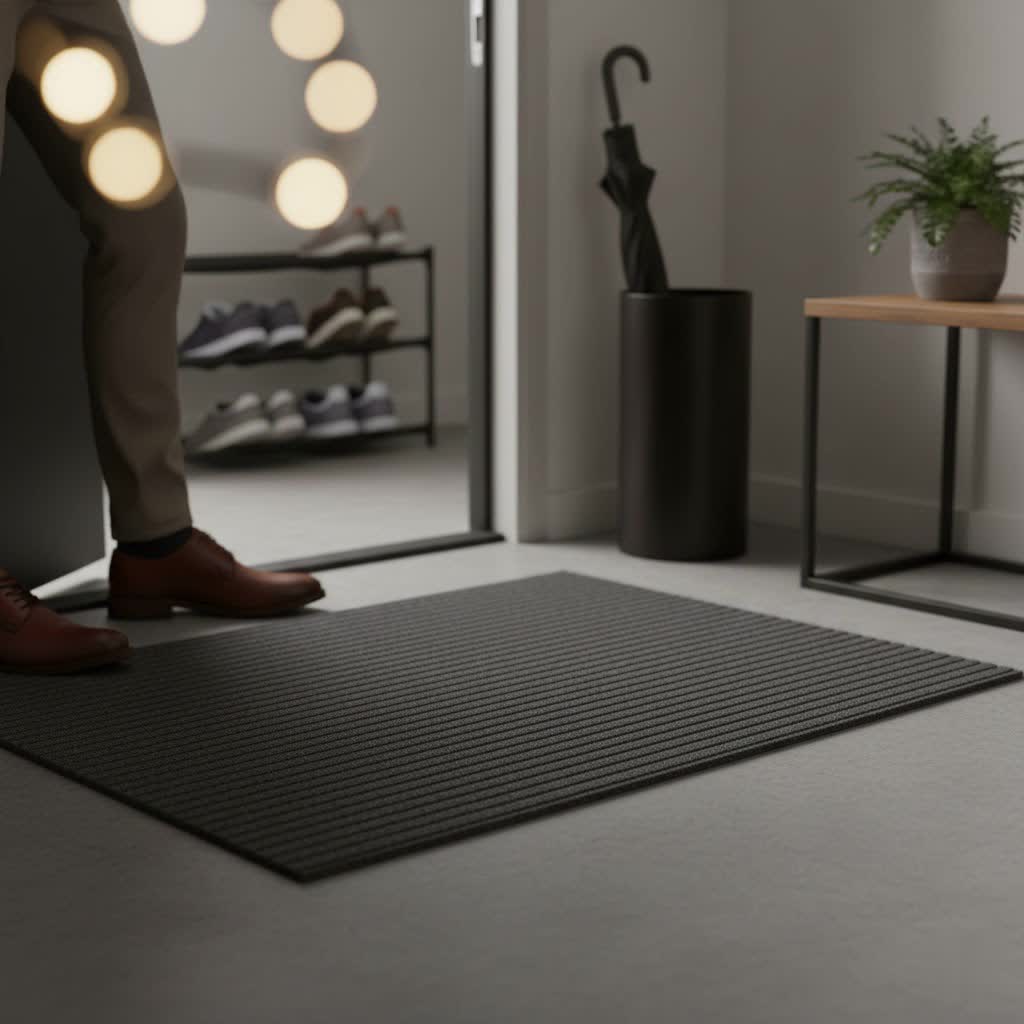
Stepping into your home, what’s the first thing that greets your feet? Often, it’s a humble yet mighty door mat, an unsung hero battling dirt and debris to keep your living space pristine. Among the myriad options, the Coir Front Door Mat stands out with its rugged texture and natural charm, offering a perfect blend of practicality and earthy aesthetics. Made from the robust fibers of coconut husks, coir mats have graced entryways for generations, promising durability and superior dirt-trapping capabilities. But are they the right choice for every home? Let’s delve into the world of coir mats, exploring their unique attributes, how they compare to other materials, and how to choose the ideal one for your entryway.
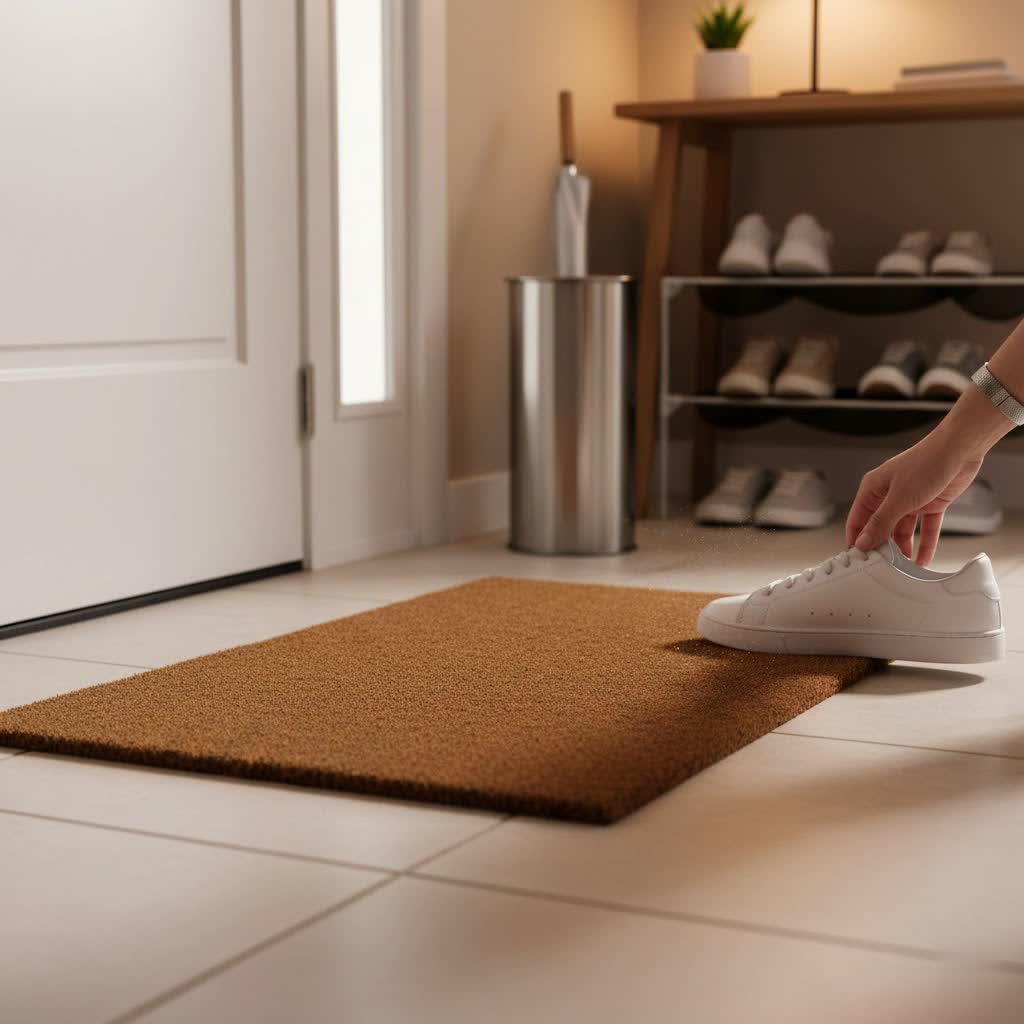
Popular Types of Door Mats
The world of door mats offers a diverse array of materials, each bringing distinct advantages and disadvantages to your doorstep. Understanding these differences is key to selecting a mat that perfectly suits your specific needs and environment.
Synthetic Fiber Door Mats
Synthetic fiber door mats, often made from materials like polypropylene, nylon, or polyester, are a popular choice due to their versatility and affordability.
- Advantages: These mats are typically budget-friendly, easy to clean, and come in an extensive range of colors, patterns, and designs. Many are designed to be fade-resistant and can withstand various weather conditions, making them suitable for both indoor and outdoor use. They are also non-shedding, a common concern with natural fiber alternatives. [cite: 1 in search 3, 2 in search 3]
- Disadvantages: While cost-effective, synthetic mats may not offer the same level of scraping effectiveness as coarser natural fibers. They can sometimes look less natural and may not be as environmentally friendly, as they are often derived from petroleum-based products. Some synthetic materials like polyester can also crush or mat down easily over time. [cite: 5 in search 3]
|
Our Picks for the Best Door Mat in 2026
We may earn a commission when you use one of our links to make a purchase.
|
||
| Num | Product | Action |
|---|---|---|
| 1 | Sturdy Front Door Mat, Absorbent Muddy Dirt Resist Welcome Door Mats Outdoor Indoor, Stain and Fade Resistant, Non-Slip Backing Entry Mat Low Profile Doormat for Entryway, 29×17, Beige |

|
| 2 | Sturdy Front Door Mat, Absorbent Muddy Dirt Resist Welcome Door Mats Outdoor Indoor, Stain and Fade Resistant, Non-Slip Backing Entry Mat Low Profile Doormat for Entryway, 36×24, Blue |
|
| 3 | OLANLY Front Door Mat Indoor Outdoor Entrance, Waterproof All-Season, All-Weather Doormat, Sturdy Natural Rubber, Fade Resistant, Low Profile, Easy Clean Patio Porch Entryway Mat, 29.5x17, Dark Grey |
|
| 4 | Sturdy Front Door Mat, Absorbent Muddy Dirt Resist Welcome Door Mats Outdoor Indoor, Stain and Fade Resistant, Non-Slip Backing Entry Mat Low Profile Doormat for Entryway, 29×17, Coffee |
|
| 5 | OLANLY Front Door Mat Indoor Outdoor Entrance, Waterproof All-Season, All-Weather Doormat, Sturdy Natural Rubber, Fade Resistant, Low Profile, Easy Clean Patio Porch Entryway Mat, 29.5x17, Beige |
|
| 6 | OLANLY Front Door Mat Indoor Outdoor Entrance, Waterproof All-Season, All-Weather Doormat, Sturdy Natural Rubber, Fade Resistant, Low Profile, Easy Clean Patio Porch Entryway Mat, 29.5x17, Blue |
|
| 7 | Sturdy Front Door Mat, Absorbent Muddy Dirt Resist Welcome Door Mats Outdoor Indoor, Stain and Fade Resistant, Non-Slip Backing Entry Mat Low Profile Doormat for Entryway, 29×17, Black |
|
| 8 | OLANLY Front Door Mat Indoor Outdoor Entrance, Waterproof All-Season, All-Weather Doormat, Sturdy Natural Rubber, Fade Resistant, Low Profile, Easy Clean Patio Porch Entryway Mat, 29.5x17, Black |
|
| 9 | OLANLY Front Door Mat Indoor Outdoor Entrance, Waterproof All-Season, All-Weather Doormat, Sturdy Natural Rubber, Fade Resistant, Low Profile, Easy Clean Patio Porch Entryway Mat, 29.5x17, Dark Brown |
|
| 10 | OLANLY Front Door Mat Indoor Outdoor Entrance, Waterproof All-Season, All-Weather Doormat, Sturdy Natural Rubber, Fade Resistant, Low Profile, Easy Clean Patio Porch Entryway Mat, 29.5x17, Brown |
|
Natural Fiber Door Mats (Coir, Cotton)
Natural fiber mats bring an organic touch and exceptional functionality to any entrance, with coir being a prime example.
- Coir (Coconut Fiber) Door Mats: Crafted from the tough fibers extracted from coconut husks, coir mats are celebrated for their incredible scraping power and rustic appeal. [cite: 1 in search 1] They are an environmentally conscious choice, being biodegradable and made from a renewable resource. [cite: 2 in search 1, 3 in search 1]
- Advantages: Coir front door mats excel at removing dirt, mud, and debris from shoes due to their stiff, coarse bristles. They are highly durable, capable of withstanding heavy foot traffic, and add a warm, natural aesthetic to your home. [cite: 1 in search 1, 2 in search 1]
- Disadvantages: Coir mats can be sensitive to prolonged wet conditions, leading to sogginess, mold, mildew, and accelerated deterioration if not dried properly. They also tend to shed fibers, especially when new or poorly maintained. Their natural brown color limits vibrant design options, and their rough texture can be uncomfortable for bare feet. [cite: 1 in search 1, 2 in search 1]
- Cotton Door Mats: Cotton mats are known for their softness and excellent absorbency, often favored for indoor use.
- Advantages: They are soft underfoot, highly absorbent for liquid spills, and generally machine washable, making them easy to clean.
- Disadvantages: Cotton mats are less durable for heavy-duty scraping compared to coir and can become waterlogged quickly. They are also prone to showing dirt and may not be suitable for outdoor use.
Rubber Door Mats
Rubber door mats are heavy-duty options, prized for their resilience and non-slip properties.
- Advantages: Rubber mats are exceptionally durable, highly resistant to moisture, and provide excellent grip, preventing slips and falls. They are easy to clean by simply hosing them down and are ideal for very wet or high-traffic areas.
- Disadvantages: They typically offer fewer aesthetic options compared to other materials, often coming in plain designs. Some rubber mats may also emit a distinctive odor, especially when new.
Aluminum Door Mats
Aluminum mats, though less common for residential use, offer a modern, industrial look and extreme durability.
- Advantages: These mats are incredibly strong, durable, and weather-resistant, making them suitable for commercial or high-end entrances. They are also easy to clean and maintain.
- Disadvantages: Aluminum mats are generally more expensive and have a rigid, less welcoming feel. Their metallic appearance might not suit all home aesthetics.
Comparison Table of Door Mats
| Type of Mat | Advantages | Disadvantages | Suitable For |
|---|---|---|---|
| Synthetic Fiber | Affordable, easy to clean, diverse designs | Less durable than coir for scraping, less eco-friendly, can crush easily | Areas with moderate traffic, varied aesthetic needs, budget-conscious buyers |
| Natural (Coir) | Eco-friendly, excellent dirt scraping, durable, natural aesthetic | Shedding, weather-sensitive (wet), rough texture, limited designs | Dry, covered outdoor entryways, high-traffic areas, eco-conscious homes |
| Natural (Cotton) | Soft, highly absorbent, machine washable | Less durable for heavy scraping, prone to waterlogging, shows dirt easily | Indoor use, areas needing high absorbency, comfort underfoot |
| Rubber | Extremely durable, slip-resistant, weather-resistant, easy to clean | Limited aesthetic appeal, can have a rubber odor | Wet areas, high-traffic commercial spaces, safety-focused entryways |
| Aluminum | Luxurious, extremely durable, easy to clean | High cost, rigid feel, modern aesthetic not for all | High-end commercial spaces, contemporary homes needing extreme durability |
Door Mat Buying Guide: Choosing Your Perfect Coir Front Door Mat
Selecting the right door mat involves more than just picking a pretty pattern. It’s about matching the mat’s features to your specific needs, especially when considering a natural powerhouse like a coir front door mat.
Determine Usage Needs
Before anything else, consider where your mat will live and what its primary job will be.
- Placement: Is it for your main front door, a back entrance, a patio door, or an indoor hallway? Coir mats thrive in covered outdoor spaces where they can scrape dirt effectively without constant exposure to rain or snow. [cite: 1 in search 1]
- Foot Traffic: How many people (and pets) will cross this threshold daily? Coir’s natural durability makes it an excellent choice for high-traffic areas. [cite: 1 in search 1]
- Purpose: Is its main role to aggressively scrape dirt, add aesthetic appeal, prevent slips, or absorb moisture? Coir excels at scraping, making it ideal for homes where dirt tracking is a major concern.
Choose Suitable Material
Given the keyword, we’ll focus on what makes coir a standout choice, and when to consider alternatives.
- Embrace Coir for its Natural Power: Coir mats are champions at scraping debris from shoes, thanks to their stiff, coarse fibers. They are also a fantastic eco-friendly option. [cite: 1 in search 1, 3 in search 1]
- Mind the Moisture: While coir is absorbent, prolonged wetness is its nemesis. If your entryway is exposed to heavy rain or snow, ensure there’s adequate shelter, or consider a synthetic alternative designed for all-weather performance. [cite: 1 in search 1]
- Consider Comfort: The rough texture of coir is great for scraping, but it might not be the most comfortable for bare feet. If you frequently walk barefoot over your mat, you might pair a coir mat outside with a softer indoor mat.
- Prioritize Health: Coir is a natural, non-toxic material, making it a safe choice for homes, especially those with children or pets, contributing to a healthier environment.
Choose Size and Shape
The right size and shape can dramatically impact both the functionality and aesthetic balance of your entryway.
- Size Matters: A good rule of thumb is for your door mat to be at least 80% of your door’s width. This ensures visitors have ample space to wipe their feet thoroughly. [cite: 5 in search 2]
- Thickness: For recessed mat wells, a thickness of 17mm to 30mm works well. For indoor use, 10-15mm can offer a lower profile and ease of movement. [cite: 3 in search 2] Thicker, heavier mats are less likely to blow away in strong winds. [cite: 2 in search 2]
- Shape: While rectangular mats are most common, round or oval shapes can add a unique visual interest to your entrance. Consider a larger or custom-sized mat for double doors or wider entrances to avoid bare spots. [cite: 3 in search 2]
Consider Color and Pattern
Coir’s natural aesthetic offers distinct possibilities.
- Natural Harmony: The earthy brown tones of coir blend seamlessly with various exterior styles, from rustic farmhouses to modern minimalist homes. Many coir mats feature natural or dyed fibers woven into simple, elegant patterns or stenciled designs. [cite: 1 in search 1]
- Personal Touch: While vibrant colors are less common with pure coir, you can find options with colored borders or playful stenciled messages that reflect your personality.
- Complement Your Space: Choose a design that complements your existing exterior décor and landscaping, creating a cohesive and inviting first impression.
Research Prices and Brands
Investing in a quality coir front door mat ensures longevity and effectiveness.
- Value for Money: Coir mats are generally affordable, but quality varies. Premium handwoven coir mats, often 1.5 inches thick, pack more fibers for superior durability and a luxurious feel, justifying a higher price point. [cite: 4 in search 4]
- Reputable Brands: Look for brands known for their sustainable sourcing and robust manufacturing processes. Reading reviews can help gauge product quality and customer satisfaction.
- Backing Type: Look for mats with non-slip rubber or PVC backing for added stability and to prevent water from leaking through to your floor, especially important for indoor use or smooth surfaces. [cite: 3 in search 2]
Top Popular Coir Front Door Mat Models
When it comes to selecting a high-quality coir mat, several brands and styles consistently receive acclaim for their performance and aesthetic appeal. These options combine durability with effective dirt trapping, ensuring your entryway remains both clean and welcoming.
Entryways Coir Rope Knot Doormat
This doormat stands out for its unique woven design and robust construction. It’s highly effective at trapping dirt and leaves, making it a top choice for busy households seeking both style and superior function. [cite: 1 in search 4]
Pottery Barn Personalized Seasonal Icon Doormats
Known for their quality and customizable options, Pottery Barn offers coir mats with personalized seasonal icons. These mats allow you to add a unique, welcoming touch to your home while benefiting from coir’s natural scraping power and durability. [cite: 2 in search 4]
Calloway Mills Regency Solid Print Coir Doormat
Calloway Mills is a respected name in the doormat industry, and their Regency Solid Print Coir Doormat is a testament to classic design and sturdy construction. It’s a reliable choice for those seeking a functional and aesthetically pleasing coir mat that can handle everyday use. [cite: 3 in search 4]
“A quality coir mat is more than just a welcome sign; it’s the first line of defense against the outside world. Its natural fibers are unmatched in their ability to keep your interiors cleaner, embodying both function and sustainable living.” – Sarah Jenkins, Environmental Home Design Specialist
Conclusion
Choosing the perfect coir front door mat involves weighing its undeniable strengths – superior dirt-scraping, eco-friendliness, and natural aesthetic – against its sensitivities, particularly concerning prolonged moisture exposure and potential shedding. By considering your specific needs, such as location, foot traffic, and desired style, you can harness the full potential of these coconut fiber powerhouses to maintain a cleaner, more inviting home. Remember to prioritize quality, opt for appropriate sizing, and be mindful of proper care to ensure your coir mat serves you well for years to come. Your entryway is the first impression of your home; make it count with a mat that truly reflects your style and commitment to cleanliness.
Are you ready to welcome guests with the enduring charm and practical power of a coir front door mat?
Câu Hỏi Thường Gặp
How do I stop my coir front door mat from shedding?
Shedding is a natural characteristic of coir mats, especially when new. To minimize it, choose a high-quality mat with a dense weave, shake it out regularly to remove loose fibers, and keep it in a dry, covered area to prevent fiber breakdown. Regular vacuuming can also help manage shedding.
Can coir mats be used in all climates?
Coir mats perform best in dry climates or under sheltered entryways where they are protected from heavy rain and constant moisture. Prolonged wetness can lead to mold, mildew, discoloration, and increased shedding. For consistently wet environments, a synthetic or rubber mat might be a more suitable alternative. [cite: 1 in search 1, 3 in search 1]
How do I clean a coir front door mat effectively?
For routine cleaning, simply shake the mat vigorously to dislodge loose dirt and debris, or use a vacuum cleaner with a brush attachment. For a deeper clean, scrub the mat with a stiff brush and a mild soap-and-water solution, then rinse lightly and allow it to air dry completely in a well-ventilated area before returning it to use. Never leave it wet. [cite: 1 in search 1]
Are coir mats truly eco-friendly?
Yes, coir mats are considered highly eco-friendly. They are made from coconut husks, a renewable and biodegradable byproduct of the coconut industry that would otherwise be discarded. This natural origin and sustainable production process minimize environmental impact compared to many synthetic alternatives. [cite: 2 in search 1, 3 in search 1]
What is the ideal thickness for a coir front door mat?
The ideal thickness depends on your specific installation. For recessed mat wells, a thickness of 17mm to 30mm is often recommended for a snug fit. For standard placements, mats around 10-15mm thick offer a good balance of durability and a lower profile, making them easier to walk over.