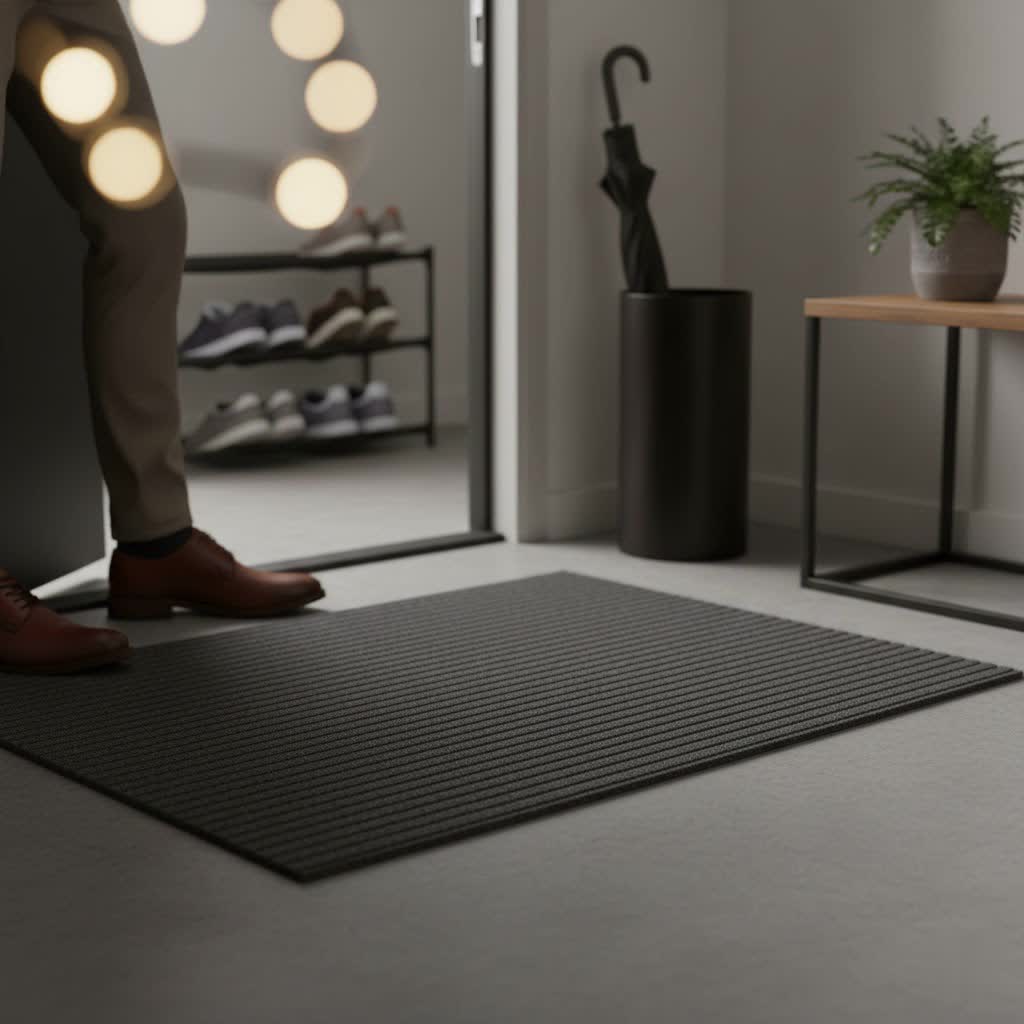
Stepping into your home should be a seamless experience, but often a bulky door mat can snag under the door, creating an annoying impediment and even a tripping hazard. If you’ve ever dealt with a door scraping or jamming, you know the frustration. This is where the innovation of the Thin Door Mat shines, offering a sleek, functional solution that blends effortlessly with your home’s aesthetic while performing all the essential duties of a traditional mat. As a technician with over a decade of experience in floor mats, I’ve seen countless designs and materials, and I’m here to guide you through selecting the ideal thin door mat for your unique space.
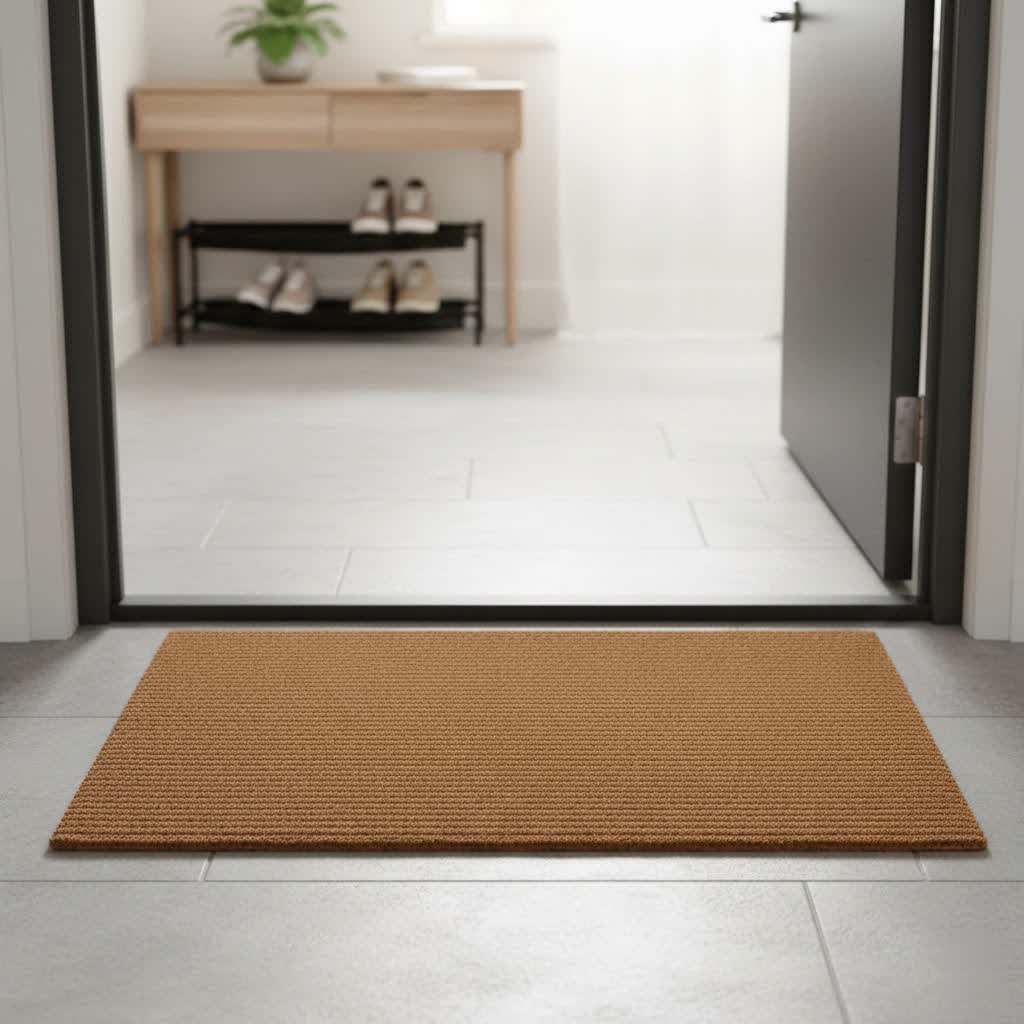
Why Choose a Thin Door Mat? The Unbeatable Advantages
Thin door mats aren’t just a trend; they’re a practical necessity for many modern homes and apartments. Their low-profile design addresses common entryway challenges, making them a smart choice for various reasons:
- Effortless Door Clearance: The most significant advantage of a thin door mat is its ability to fit snugly under doors with minimal clearance. This eliminates annoying snags and allows doors to open and close smoothly without getting caught on the mat, preventing wear and tear on both the door and the mat itself.
- Superior Dirt and Moisture Trapping: Don’t let their slim profile fool you; high-quality thin door mats are engineered to be highly effective at scraping off dirt, mud, and absorbing moisture from shoes. They act as a crucial first line of defense, protecting your indoor flooring from outside debris and dampness, which can extend the life of your floors and reduce cleaning time.
- Enhanced Indoor Air Quality: By trapping dust, pollen, and other allergens at the door, thin mats contribute significantly to better indoor air quality. They prevent these microscopic particles from being tracked further into your living spaces, which is especially beneficial for households with pets or allergy sufferers.
- Improved Safety and Stability: Many thin door mats come with non-slip backings, typically made of rubber or PVC. This feature ensures the mat stays firmly in place, even on slick surfaces like tile or hardwood, drastically reducing the risk of slips and falls, particularly in wet conditions.
- Sleek and Modern Aesthetics: A thin door mat offers a streamlined look that complements contemporary home decor. Unlike bulkier mats that can sometimes overwhelm an entryway, a low-profile design creates a tidy and sophisticated welcome, enhancing your home’s curb appeal.
- Versatile Placement Options: Whether you need a mat for your front door, back door, patio, or even inside by the kitchen sink, the thin design allows for versatile placement in areas where thicker mats simply wouldn’t work.
Popular Thin Door Mat Materials
The effectiveness and durability of a thin door mat largely depend on its material. Here’s a breakdown of common types, tailored for their thin applications:
Synthetic Fiber Thin Door Mats (Polyester, Polypropylene)
Often crafted from durable synthetic fibers like polyester or polypropylene, these mats are designed for both function and fashion.
- Pros: Generally affordable, easy to clean (many are machine washable), highly resistant to stains and fading, and available in a vast array of colors and patterns. Their robust fibers are excellent at scraping dirt.
- Cons: May not offer the same luxurious feel as some natural fibers; some lower-quality synthetics can feel less substantial.
|
Our Picks for the Best Door Mat in 2026
We may earn a commission when you use one of our links to make a purchase.
|
||
| Num | Product | Action |
|---|---|---|
| 1 | Sturdy Front Door Mat, Absorbent Muddy Dirt Resist Welcome Door Mats Outdoor Indoor, Stain and Fade Resistant, Non-Slip Backing Entry Mat Low Profile Doormat for Entryway, 36×24, Blue |

|
| 2 | OLANLY Front Door Mat Indoor Outdoor Entrance, Waterproof All-Season, All-Weather Doormat, Sturdy Natural Rubber, Fade Resistant, Low Profile, Easy Clean Patio Porch Entryway Mat, 29.5x17, Brown |
|
| 3 | OLANLY Front Door Mat Indoor Outdoor Entrance, Waterproof All-Season, All-Weather Doormat, Sturdy Natural Rubber, Fade Resistant, Low Profile, Easy Clean Patio Porch Entryway Mat, 29.5x17, Beige |
|
| 4 | Sturdy Front Door Mat, Absorbent Muddy Dirt Resist Welcome Door Mats Outdoor Indoor, Stain and Fade Resistant, Non-Slip Backing Entry Mat Low Profile Doormat for Entryway, 29×17, Black |
|
| 5 | OLANLY Front Door Mat Indoor Outdoor Entrance, Waterproof All-Season, All-Weather Doormat, Sturdy Natural Rubber, Fade Resistant, Low Profile, Easy Clean Patio Porch Entryway Mat, 29.5x17, Dark Brown |
|
| 6 | Sturdy Front Door Mat, Absorbent Muddy Dirt Resist Welcome Door Mats Outdoor Indoor, Stain and Fade Resistant, Non-Slip Backing Entry Mat Low Profile Doormat for Entryway, 29×17, Beige |
|
| 7 | OLANLY Front Door Mat Indoor Outdoor Entrance, Waterproof All-Season, All-Weather Doormat, Sturdy Natural Rubber, Fade Resistant, Low Profile, Easy Clean Patio Porch Entryway Mat, 29.5x17, Dark Grey |
|
| 8 | OLANLY Front Door Mat Indoor Outdoor Entrance, Waterproof All-Season, All-Weather Doormat, Sturdy Natural Rubber, Fade Resistant, Low Profile, Easy Clean Patio Porch Entryway Mat, 29.5x17, Blue |
|
| 9 | OLANLY Front Door Mat Indoor Outdoor Entrance, Waterproof All-Season, All-Weather Doormat, Sturdy Natural Rubber, Fade Resistant, Low Profile, Easy Clean Patio Porch Entryway Mat, 29.5x17, Black |
|
| 10 | Sturdy Front Door Mat, Absorbent Muddy Dirt Resist Welcome Door Mats Outdoor Indoor, Stain and Fade Resistant, Non-Slip Backing Entry Mat Low Profile Doormat for Entryway, 29×17, Coffee |
|
Natural Fiber Thin Door Mats (Coir, Cotton)
For those who prefer eco-friendly and natural textures, thin mats made from coir (coconut husk fibers) or cotton are excellent choices.
- Pros: Environmentally friendly, coir offers exceptional scraping action, while cotton is highly absorbent. They bring a natural, organic feel to an entryway.
- Cons: Coir can shed fibers, and both can be more challenging to clean thoroughly than synthetics if heavily soiled. Cotton may also take longer to dry and can be prone to mildew if consistently damp.
Rubber/PVC Thin Door Mats
These mats are constructed primarily from rubber or polyvinyl chloride (PVC), often with a textured surface.
- Pros: Extremely durable, excellent slip resistance, highly weather-resistant (ideal for outdoor use), and remarkably easy to clean – often just a quick hose-off or wipe.
- Cons: Can sometimes have a distinct rubber odor when new, and their aesthetic options might be more limited compared to fabric mats. They are less absorbent than fabric mats, focusing more on scraping and containment.
Comparison Table: Choosing Your Ideal Thin Door Mat
To help you make an informed decision, here’s a quick comparison of the most common thin door mat types:
| Mat Type | Pros | Cons | Best For |
|---|---|---|---|
| Synthetic Fiber | Durable, easy to clean, diverse styles | Less natural feel, can vary in quality | High traffic indoor areas, modern decor, busy households |
| Natural Fiber | Eco-friendly, good scraping (coir), absorbent (cotton) | Can shed (coir), harder to clean, mildew risk | Dry indoor entryways, natural aesthetic, lighter foot traffic |
| Rubber/PVC | Superior non-slip, weather-resistant, durable, very easy to clean | Potential odor, fewer design options | Outdoor use, wet areas, commercial spaces, high safety requirements |
Your Essential Guide to Buying a Thin Door Mat
Selecting the perfect thin door mat involves more than just picking a pretty pattern. Consider these key factors to ensure you find a mat that meets your functional and aesthetic needs:
1. Assess Your Door Clearance
The defining characteristic of a thin mat is its low profile. Measure the exact gap between the bottom of your door and the floor when the door is open. Most thin mats range from 0.1 to 0.4 inches (or 2.5mm to 10mm) in thickness. Ensure your chosen mat is comfortably thinner than your door’s clearance.
2. Determine Placement (Indoor or Outdoor)
Your mat’s location will dictate the best material.
- Outdoor Mats: Need to withstand the elements, so look for weather-resistant materials like rubber, PVC, or durable polypropylene. They should be able to handle rain, snow, and UV exposure without degrading.
- Indoor Mats: Can be more varied in material, focusing on absorbency, softness, and decorative appeal. Synthetic fibers and cotton are popular indoor choices.
3. Consider Foot Traffic Levels
- High Traffic Areas: Opt for highly durable materials like dense synthetic fibers or rubber that can withstand constant use and aggressive scraping.
- Low Traffic Areas: You have more flexibility with materials, allowing for more decorative or delicate options.
4. Choose the Right Material
Refer to the “Popular Thin Door Mat Materials” section to align material benefits with your specific needs for absorbency, scraping, durability, and aesthetic.
5. Select the Appropriate Size and Shape
A well-sized mat should complement your entryway. For single doors, a mat that is about 80% of the door’s width often looks best. For double doors, a longer mat is ideal. Shapes include rectangular, semi-circle, oval, and novelty designs. Ensure the mat provides adequate coverage for wiping feet.
6. Prioritize Non-Slip Backing
For safety, always look for thin door mats with a robust non-slip backing, especially if placed on smooth floors. Rubber or PVC backings are common and effective, preventing the mat from sliding or bunching up.
7. Evaluate Ease of Maintenance
Think about how you prefer to clean. Many thin synthetic mats are conveniently machine washable, while rubber mats can be hosed off. Coir and some natural fiber mats may require vacuuming and spot cleaning.
8. Match Your Style and Design
Thin mats come in an incredible variety of colors, patterns, and textures. Choose a design that harmonizes with your home’s decor, whether you prefer a minimalist look, a bold pattern, or a classic welcome message.
9. Set a Budget
Thin door mats are available at various price points. Determine how much you’re willing to spend, keeping in mind that investing in a higher-quality mat often means better durability and performance in the long run.
Top Picks: Popular Thin Door Mat Features to Look For
While specific product names can vary, the most highly-regarded thin door mats often share key characteristics that make them stand out:
- Ultra-Thin Polyester with Grippy Rubber Backing: These mats are celebrated for their incredibly low profile (often around 0.1-0.2 inches), making them perfect for even the lowest door clearances. The polyester surface excels at trapping dirt and debris, while the strong rubber backing ensures they stay put. They are frequently machine washable for effortless cleaning.
- Decorative Low-Profile Coir Mats: For those who love natural textures, thin coir mats offer excellent scraping capabilities without adding bulk. Often featuring elegant patterns or classic welcome designs, they bring rustic charm to an entryway, particularly suitable for covered outdoor spaces or indoor use where shedding isn’t a major concern.
- Heavy-Duty Rubber Thin Mats with Raised Patterns: Designed for maximum durability and slip resistance, these rubber mats often feature a subtle raised pattern that not only enhances their scraping ability but also provides extra traction. They are exceptionally weather-resistant and are a prime choice for high-traffic outdoor areas, garages, or mudrooms.
“A thin door mat is more than just a functional item; it’s the welcoming handshake to your home, silently performing its duties while maintaining a sleek, unobstructed entryway.” – Sarah Jenkins, Home & Design Expert
Conclusion
Thin door mats offer a compelling blend of practicality, safety, and style, proving that you don’t need bulk to make a big impact. From preventing door snags and trapping outdoor grime to enhancing your home’s aesthetic, their low-profile design is a game-changer for any entryway. By considering the material, location, traffic, and your personal style, you can confidently choose a thin door mat that not only addresses your immediate needs but also complements the welcoming atmosphere of your home for years to come.
Ready to find the perfect thin door mat that seamlessly fits your space and lifestyle? Which feature will be your top priority?
Frequently Asked Questions
Are thin door mats as effective as thicker ones?
Yes, high-quality thin door mats are specifically designed with dense fibers or effective scraping textures to trap dirt and absorb moisture just as effectively as many thicker mats, especially for preventing debris from entering your home. Their thinness does not compromise their primary function.
Can thin door mats be used outdoors?
Absolutely! Many thin door mats, particularly those made from durable synthetic fibers, rubber, or PVC, are designed to be weather-resistant and are ideal for outdoor use in covered or uncovered areas. Always check the product specifications for outdoor suitability.
How do I clean a thin door mat?
Cleaning methods vary by material. Many synthetic thin mats are machine washable. Rubber or PVC mats can typically be hosed off and air-dried. Natural fiber mats like coir or cotton may require vacuuming, shaking out, and spot cleaning. Always follow the manufacturer’s care instructions.
What is the ideal thickness for a “thin” door mat?
Generally, a “thin” door mat refers to anything under 0.4 inches (approximately 10mm) thick. Many ultra-thin options are even slimmer, around 0.1 to 0.2 inches (2.5mm to 5mm), specifically designed for doors with very low clearance.