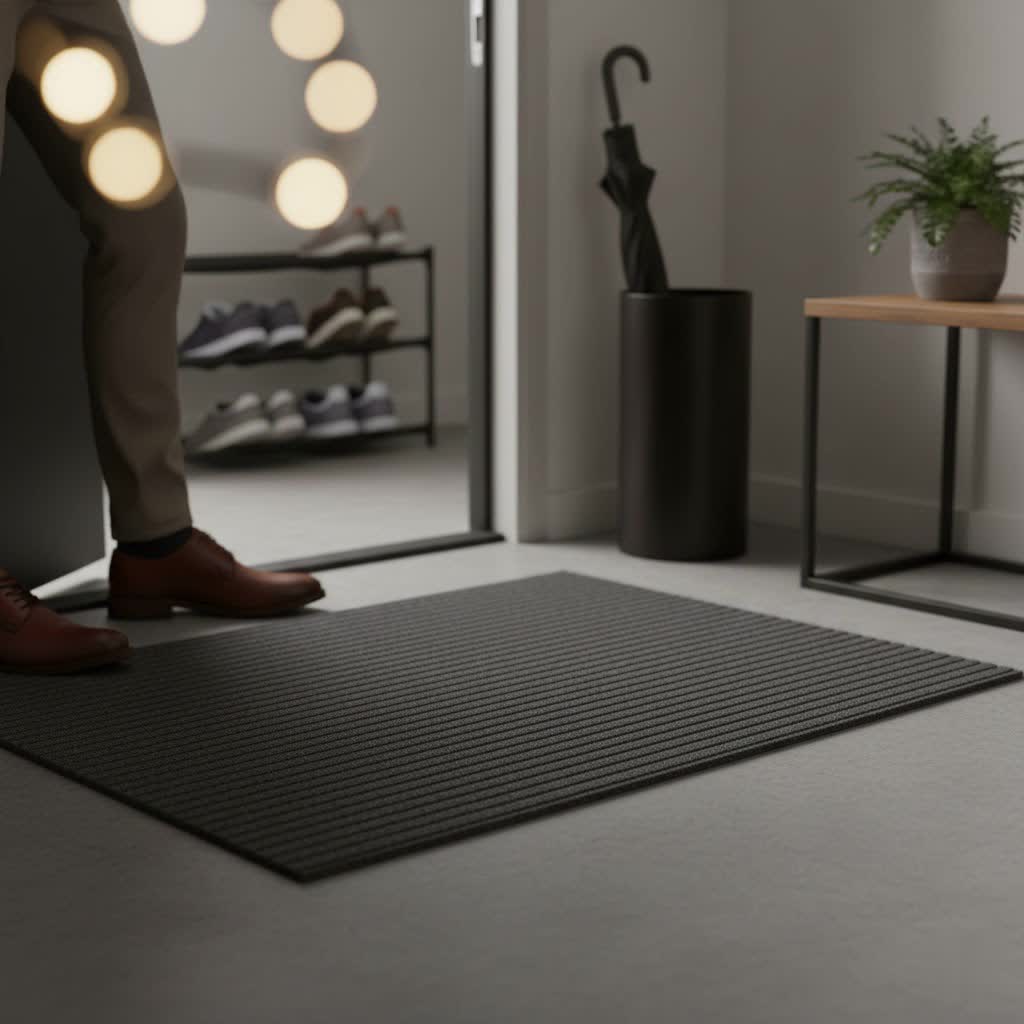
Stepping through your front door should feel like entering a sanctuary, but often, the outside world—with its dirt, moisture, and debris—tries to follow. An indoor entry door mat is more than just a decorative accent; it’s your home’s unsung hero, the crucial second line of defense against tracked-in grime and a silent statement of style. Choosing the right mat can seem daunting with countless options available, but understanding their purpose and features will transform your entryway into a clean, welcoming, and safe space. Let’s delve into the world of indoor entry door mats and find the perfect fit for your home.
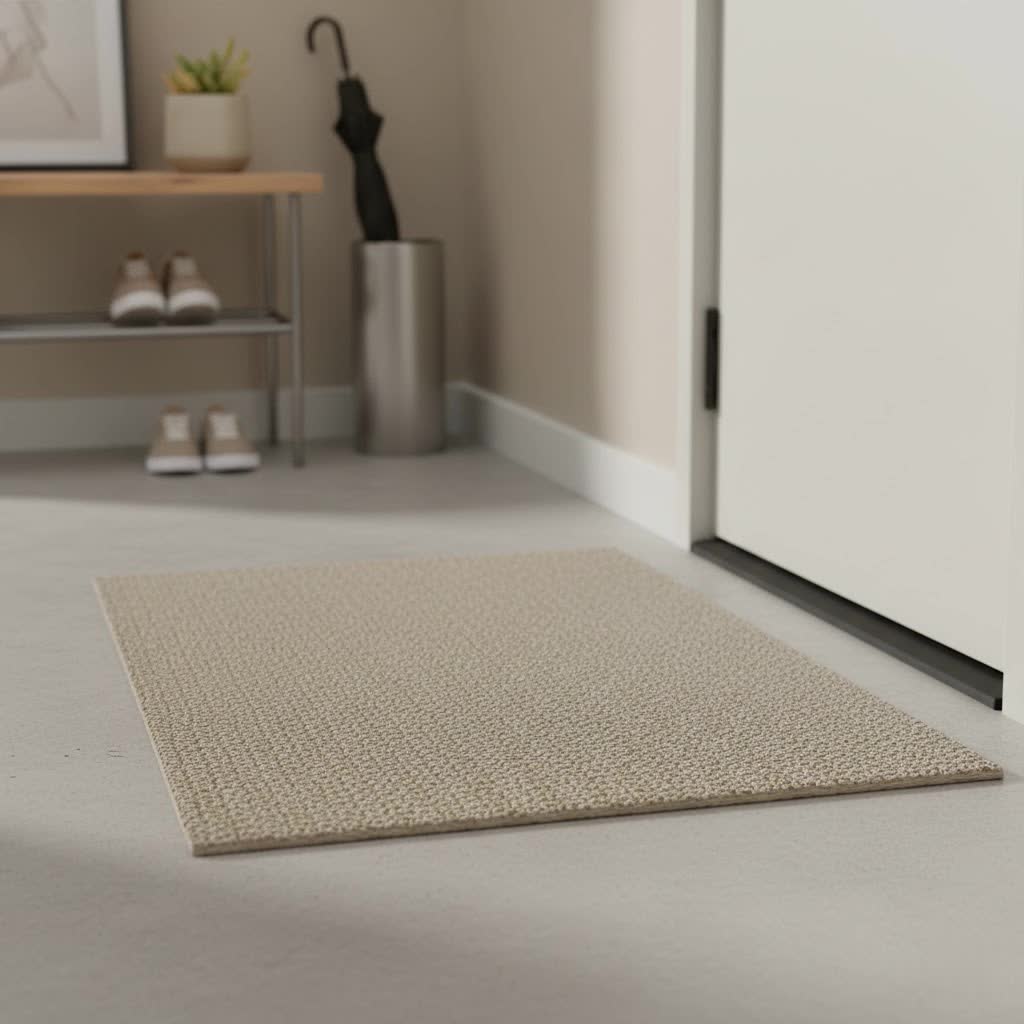
Types of Indoor Entry Door Mats
The secret to a pristine home often begins at the door, and the right indoor entry mat plays a vital role. Different materials offer unique advantages in terms of durability, absorbency, and aesthetic appeal.
Synthetic Fiber Door Mats
Synthetic fiber mats, commonly made from nylon, polyester, or polypropylene, are engineered for performance and practicality. These materials are renowned for their strength and resilience, making them excellent choices for busy households.
- Advantages: They are typically very durable, standing up well to constant foot traffic without showing significant wear. Many synthetic mats are easy to clean, often machine washable or easily shaken and vacuumed. They resist fading, maintaining their vibrant colors even in sun-drenched entryways. Furthermore, synthetic fibers are effective at absorbing moisture, preventing wet footprints from spreading across your floors. Polypropylene, in particular, is valued for its robust scraping ability in high-traffic zones.
- Disadvantages: While highly functional, some synthetic mats may not offer the same natural warmth or unique texture as their natural fiber counterparts. Certain designs might appear more utilitarian than decorative, though many stylish options are available. Some may also show dirt more readily if lighter in color.
|
Our Picks for the Best Door Mat in 2026
We may earn a commission when you use one of our links to make a purchase.
|
||
| Num | Product | Action |
|---|---|---|
| 1 | OLANLY Front Door Mat Indoor Outdoor Entrance, Waterproof All-Season, All-Weather Doormat, Sturdy Natural Rubber, Fade Resistant, Low Profile, Easy Clean Patio Porch Entryway Mat, 29.5x17, Dark Brown |

|
| 2 | OLANLY Front Door Mat Indoor Outdoor Entrance, Waterproof All-Season, All-Weather Doormat, Sturdy Natural Rubber, Fade Resistant, Low Profile, Easy Clean Patio Porch Entryway Mat, 29.5x17, Blue |
|
| 3 | Sturdy Front Door Mat, Absorbent Muddy Dirt Resist Welcome Door Mats Outdoor Indoor, Stain and Fade Resistant, Non-Slip Backing Entry Mat Low Profile Doormat for Entryway, 29×17, Coffee |
|
| 4 | OLANLY Front Door Mat Indoor Outdoor Entrance, Waterproof All-Season, All-Weather Doormat, Sturdy Natural Rubber, Fade Resistant, Low Profile, Easy Clean Patio Porch Entryway Mat, 29.5x17, Black |
|
| 5 | OLANLY Front Door Mat Indoor Outdoor Entrance, Waterproof All-Season, All-Weather Doormat, Sturdy Natural Rubber, Fade Resistant, Low Profile, Easy Clean Patio Porch Entryway Mat, 29.5x17, Brown |
|
| 6 | OLANLY Front Door Mat Indoor Outdoor Entrance, Waterproof All-Season, All-Weather Doormat, Sturdy Natural Rubber, Fade Resistant, Low Profile, Easy Clean Patio Porch Entryway Mat, 29.5x17, Beige |
|
| 7 | Sturdy Front Door Mat, Absorbent Muddy Dirt Resist Welcome Door Mats Outdoor Indoor, Stain and Fade Resistant, Non-Slip Backing Entry Mat Low Profile Doormat for Entryway, 36×24, Blue |
|
| 8 | Sturdy Front Door Mat, Absorbent Muddy Dirt Resist Welcome Door Mats Outdoor Indoor, Stain and Fade Resistant, Non-Slip Backing Entry Mat Low Profile Doormat for Entryway, 29×17, Black |
|
| 9 | OLANLY Front Door Mat Indoor Outdoor Entrance, Waterproof All-Season, All-Weather Doormat, Sturdy Natural Rubber, Fade Resistant, Low Profile, Easy Clean Patio Porch Entryway Mat, 29.5x17, Dark Grey |
|
| 10 | Sturdy Front Door Mat, Absorbent Muddy Dirt Resist Welcome Door Mats Outdoor Indoor, Stain and Fade Resistant, Non-Slip Backing Entry Mat Low Profile Doormat for Entryway, 29×17, Beige |
|
Natural Fiber Door Mats
For those who appreciate organic textures and eco-friendly options, natural fiber mats like coir and sisal present an appealing choice. Derived from sustainable sources, these mats bring an earthy charm to any entrance.
- Advantages: Coir (made from coconut husks) is exceptionally tough and weather-resistant, excelling at scraping and trapping dirt and moisture. It boasts a natural, rustic appeal perfect for traditional or coastal decor and is naturally resistant to mold and mildew. Sisal offers a slightly more refined, textured surface, adept at scraping debris while being softer underfoot than coir. These mats often dry quickly, preventing dampness from lingering.
- Disadvantages: Coir mats are known to shed fibers, especially when new, requiring regular cleaning. Their rough texture, while effective for scraping, might not be ideal for bare feet or crawling toddlers. Sisal mats can sometimes be more challenging to clean thoroughly if stains set in.
Rubber-Backed Fabric Door Mats
Many indoor entry mats combine a fabric surface with a rubber backing, creating a versatile and highly functional solution for your entryway. This hybrid design leverages the best of both worlds.
- Advantages: The primary benefit of a rubber backing is its superior non-slip grip, ensuring the mat stays securely in place even with heavy foot traffic. This is crucial for safety, especially in homes with children or elderly residents. The fabric top (often synthetic like polyester or nylon) provides excellent moisture absorption and dirt-trapping capabilities. Many rubber-backed mats are designed to be machine washable, making maintenance straightforward and hassle-free.
- Disadvantages: The rubber backing can sometimes be visible along the edges, which might detract from a purely aesthetic appeal. While they absorb moisture well, very thick rubber-backed mats can take longer to dry fully if heavily saturated, especially in less ventilated areas. Additionally, if not properly cared for, the rubber backing can degrade over time.
Specialty Door Mats
Beyond the common materials, a range of specialty door mats offers unique features for specific needs or aesthetic desires. These can include customizable vinyl mats or highly decorative designs.
- Advantages: Specialty mats are often chosen for their unique aesthetic appeal, allowing for personalized expressions like monograms, intricate patterns, or customizable designs. They can serve as a distinctive decorative element, setting the tone for your home’s interior from the moment guests arrive. Some are designed with specific functionalities, such as extra-low profiles for doors with minimal clearance.
- Disadvantages: These mats may sometimes prioritize style over substance, meaning they might be less effective at trapping dirt or absorbing moisture compared to more traditional, functional materials. Depending on the material, some decorative mats might be more prone to slipping without a robust backing or may be harder to clean if stains occur. For instance, certain vinyl tile mats may struggle to trap debris effectively and can be prone to staining, making them better suited for decorative layering.
Comparison Table: Choosing Your Perfect Indoor Mat
Making an informed decision about your indoor entry mat involves weighing various factors. This table offers a quick comparison to guide your choice.
| Mat Type | Key Advantages | Key Disadvantages | Ideal For |
|---|---|---|---|
| Synthetic Fibers | Durable, easy to clean, vibrant colors, good moisture absorption | Can lack natural texture, some designs are purely functional | High-traffic areas, modern homes, easy maintenance seekers |
| Natural Fibers | Excellent dirt trapping, eco-friendly, rustic appeal, good absorbency | May shed, rough texture (coir), can be harder to deep clean | Homes favoring natural aesthetics, effective shoe scraping, dry climates |
| Rubber-Backed Fabric | Superior non-slip grip, durable, often machine washable, good for wet conditions | Rubber backing may be visible, can take longer to dry if saturated | General use, safety-conscious households, easy-care demands |
| Specialty (Vinyl) | Unique designs, customizable, decorative statement | Less effective at trapping dirt/moisture, may slide, can stain | Layering over functional mats, purely decorative entryways, specific aesthetic visions |
How to Select the Best Indoor Entry Door Mat
Choosing the right indoor entry door mat is about balancing functionality, durability, and style. Consider these essential steps to find the perfect addition to your home.
Assess Your Needs and Entryway
Before diving into material choices, take a moment to evaluate the specific demands of your entryway. Where will the mat be placed—at the main front door, a back entrance, or a hallway leading from a garage? Consider the volume of foot traffic; a bustling main entrance will require a more robust mat than a seldom-used back door. Think about the primary purpose: Is it mainly for scraping dirt, absorbing moisture from wet shoes, enhancing decor, or providing a non-slip surface? Understanding these factors will narrow down your options significantly.
Choose the Right Material
The material dictates much of a mat’s performance and appearance. Each type offers a different set of benefits and considerations. For heavy dirt and scraping, natural fibers like coir or synthetic polypropylene are excellent. For superior moisture absorption, consider nylon or polyester blends. If you prioritize softness underfoot and eco-friendliness, cotton or sisal might be appealing. Always look for materials that are safe for your specific flooring, avoiding rough backings that could damage delicate surfaces. Remember to factor in your local climate; a mat that dries quickly will be a blessing in rainy or snowy regions.
Determine the Optimal Size and Shape
The right size mat makes a significant impact on both functionality and aesthetics. A general rule of thumb for width is that your mat should cover at least 80% of your door’s width to provide adequate coverage. For length, aim for a mat that allows an individual to take at least two full steps on it, ensuring maximum dirt and moisture trapping. Standard single doors often suit mats around 18×30 inches, but larger doorways or double doors will require correspondingly larger mats. Don’t forget to measure the clearance under your door to ensure the mat’s thickness won’t impede its opening and closing. As for shape, rectangles are classic, but semi-circle or runner mats can offer unique aesthetic touches, complementing the architectural lines of your entryway.
Consider Style, Color, and Pattern
Your indoor entry mat is an extension of your home’s personality. Choose colors and patterns that harmonize with your existing decor, creating a cohesive and inviting look. Darker colors or intricate patterns are often practical, as they tend to conceal dirt and minor stains more effectively. Raised patterns can be both decorative and functional, providing extra scraping power. Whether you prefer a minimalist solid hue, a whimsical design, or an elegant monogram, let your mat reflect your personal style while still serving its practical purpose.
Prioritize Safety Features
Safety should never be an afterthought, especially in high-traffic areas. A mat with a robust non-slip backing is paramount to prevent slips and falls, particularly important in homes with children, pets, or elderly residents. Rubber backings are highly effective for this. Additionally, consider mats with a low profile that won’t create a tripping hazard or get caught under opening doors. These small details ensure your entryway is not only beautiful but also safe for everyone who crosses your threshold.
Maintaining Your Indoor Entry Door Mat
A well-chosen mat will serve you for years, but only with proper care. Regular maintenance ensures its effectiveness and extends its lifespan.
Regular Cleaning Routine
The frequency of cleaning depends on foot traffic and the amount of dirt it accumulates, but a consistent routine is key. For daily upkeep, simply shake the mat outdoors to dislodge loose dirt and debris. Regular vacuuming, using a hose attachment if needed, will keep the fibers fresh and prevent dirt from settling deep within the mat. For minor stains or spots, most mats can be spot-cleaned with a mild detergent and water. For a deeper clean, check if your mat is machine washable; many synthetic and rubber-backed mats are designed for this convenience. Always consult the manufacturer’s care instructions to avoid damage.
Tips for Longevity
To ensure your indoor entry mat remains effective and looking its best, avoid using harsh chemicals or bleach, which can degrade materials and fade colors. Allow mats to dry thoroughly after cleaning or if they become saturated with moisture, especially in humid conditions, to prevent mildew and odors. One of the best strategies for prolonging your indoor mat’s life is to pair it with an outdoor mat. The outdoor mat acts as the first line of defense, scraping off heavy dirt and debris before it ever reaches your indoor space. This two-mat system significantly reduces the workload on your indoor mat, keeping your home cleaner and your mats lasting longer.
Conclusion
The right indoor entry door mat is an indispensable element of any home, offering a powerful combination of functionality, safety, and style. By thoughtfully considering factors like material, size, and design, you can select a mat that not only enhances your home’s aesthetic appeal but also diligently protects your floors from the daily onslaught of dirt and moisture. From durable synthetics to charming natural fibers, the perfect mat waits to welcome you and your guests. Investing in a quality indoor entry mat means investing in a cleaner, safer, and more inviting home environment.
What considerations are most important to you when choosing an indoor entry mat for your space?
Frequently Asked Questions
How often should I clean my indoor entry door mat?
The cleaning frequency for your indoor entry door mat depends heavily on the foot traffic it receives and your home’s environment. For typical households, a quick shake-out and vacuuming once a week is usually sufficient. However, if you have pets, children, or live in a particularly muddy or snowy climate, you might need to clean it every few days to maintain its effectiveness and appearance.
Can I use an outdoor mat indoors?
While some mats are labeled “indoor-outdoor,” generally it’s best to use mats as intended. Outdoor mats are typically designed with coarser, more abrasive materials to scrape off heavy dirt and withstand harsh weather, and they are often designed to let water drain through. Using them indoors might be too rough on delicate flooring or less effective at absorbing smaller amounts of moisture, which indoor mats are specifically designed to do.
What size indoor mat do I need for a standard doorway?
For a standard single doorway, a mat measuring approximately 18×30 inches is a common and effective choice. Ideally, your mat should cover at least 80% of your door’s width and be long enough for someone to take two full steps on it. Always measure your specific entryway and the clearance under your door to ensure a perfect fit that doesn’t obstruct the door’s swing.
Are indoor mats truly necessary if I have an outdoor mat?
Yes, indoor mats are highly recommended even if you have an outdoor mat. Outdoor mats serve as the first line of defense, scraping off the bulk of dirt and debris. The indoor mat then acts as a second barrier, absorbing residual moisture and finer dirt particles from shoes before they can be tracked further into your home. This two-mat system provides comprehensive protection for your floors and helps maintain a cleaner interior.