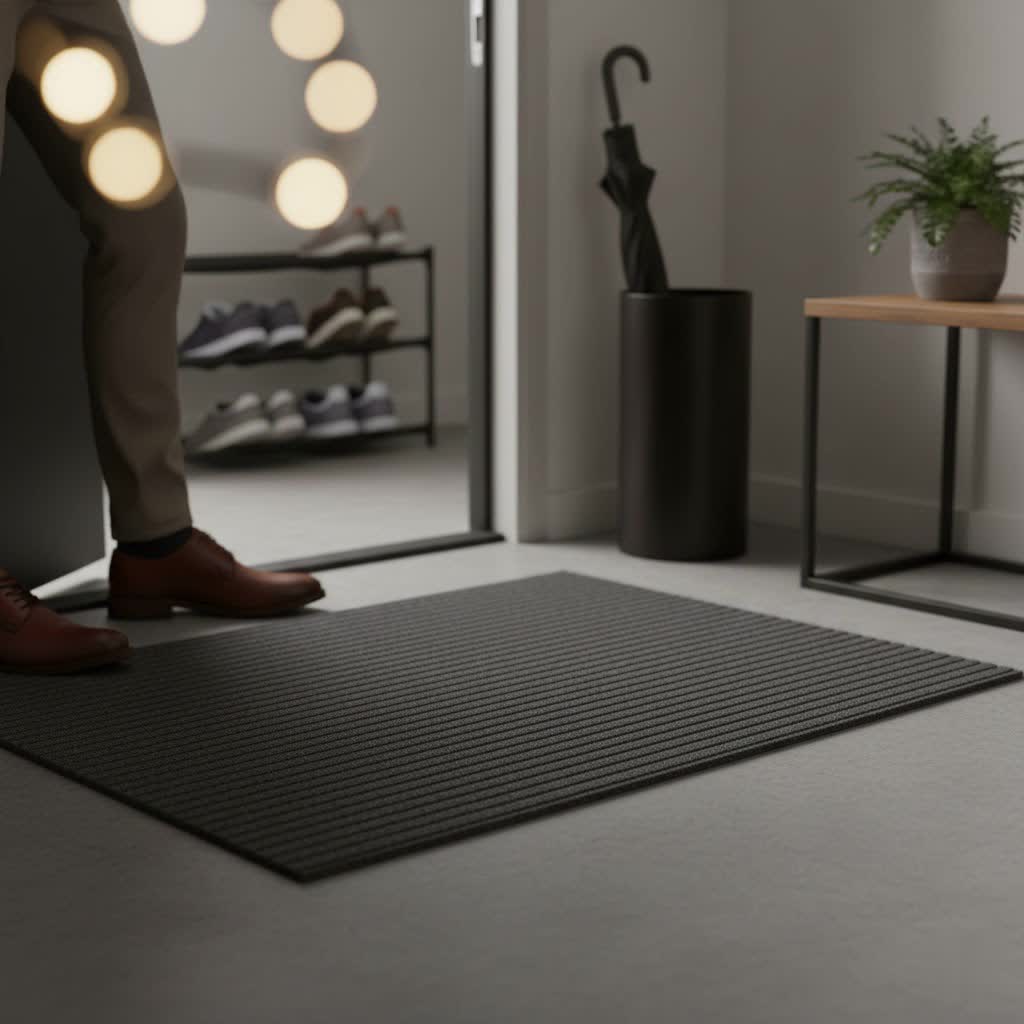
Your front door mat is more than just a decorative accent; it’s the first line of defense against dirt, moisture, and debris entering your home. An effective outdoor front door mat can significantly reduce the amount of cleaning required indoors, protect your flooring, and even enhance safety by providing a non-slip surface. But with countless options available, how do you find the right one that perfectly blends functionality with style and stands up to the elements? Let’s dive into the world of outdoor mats to help you make an informed decision and greet guests with a welcoming, clean entryway.
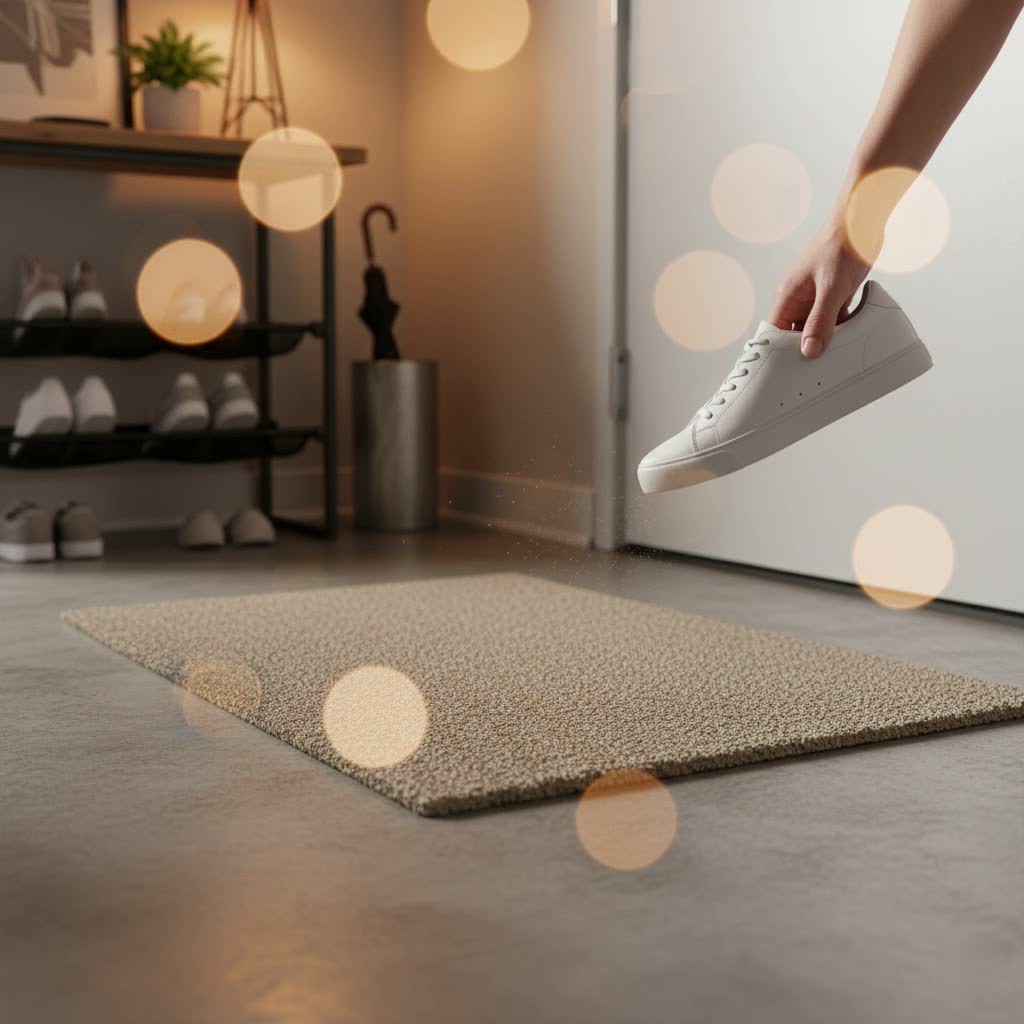
Popular Types of Outdoor Front Door Mats
Selecting the right material is crucial for an outdoor front door mat, as it dictates durability, cleaning ease, and how well it performs in various weather conditions. Each material offers distinct advantages and disadvantages that cater to different needs and aesthetic preferences.
Synthetic Fiber Doormats
|
Our Picks for the Best Door Mat in 2026
We may earn a commission when you use one of our links to make a purchase.
|
||
| Num | Product | Action |
|---|---|---|
| 1 | Sturdy Front Door Mat, Absorbent Muddy Dirt Resist Welcome Door Mats Outdoor Indoor, Stain and Fade Resistant, Non-Slip Backing Entry Mat Low Profile Doormat for Entryway, 29×17, Coffee |

|
| 2 | OLANLY Front Door Mat Indoor Outdoor Entrance, Waterproof All-Season, All-Weather Doormat, Sturdy Natural Rubber, Fade Resistant, Low Profile, Easy Clean Patio Porch Entryway Mat, 29.5x17, Dark Grey |
|
| 3 | OLANLY Front Door Mat Indoor Outdoor Entrance, Waterproof All-Season, All-Weather Doormat, Sturdy Natural Rubber, Fade Resistant, Low Profile, Easy Clean Patio Porch Entryway Mat, 29.5x17, Blue |
|
| 4 | OLANLY Front Door Mat Indoor Outdoor Entrance, Waterproof All-Season, All-Weather Doormat, Sturdy Natural Rubber, Fade Resistant, Low Profile, Easy Clean Patio Porch Entryway Mat, 29.5x17, Black |
|
| 5 | OLANLY Front Door Mat Indoor Outdoor Entrance, Waterproof All-Season, All-Weather Doormat, Sturdy Natural Rubber, Fade Resistant, Low Profile, Easy Clean Patio Porch Entryway Mat, 29.5x17, Beige |
|
| 6 | Sturdy Front Door Mat, Absorbent Muddy Dirt Resist Welcome Door Mats Outdoor Indoor, Stain and Fade Resistant, Non-Slip Backing Entry Mat Low Profile Doormat for Entryway, 29×17, Beige |
|
| 7 | Sturdy Front Door Mat, Absorbent Muddy Dirt Resist Welcome Door Mats Outdoor Indoor, Stain and Fade Resistant, Non-Slip Backing Entry Mat Low Profile Doormat for Entryway, 29×17, Black |
|
| 8 | OLANLY Front Door Mat Indoor Outdoor Entrance, Waterproof All-Season, All-Weather Doormat, Sturdy Natural Rubber, Fade Resistant, Low Profile, Easy Clean Patio Porch Entryway Mat, 29.5x17, Brown |
|
| 9 | OLANLY Front Door Mat Indoor Outdoor Entrance, Waterproof All-Season, All-Weather Doormat, Sturdy Natural Rubber, Fade Resistant, Low Profile, Easy Clean Patio Porch Entryway Mat, 29.5x17, Dark Brown |
|
| 10 | Sturdy Front Door Mat, Absorbent Muddy Dirt Resist Welcome Door Mats Outdoor Indoor, Stain and Fade Resistant, Non-Slip Backing Entry Mat Low Profile Doormat for Entryway, 36×24, Blue |
|
Synthetic fiber doormats, often made from polypropylene, polyester, or nylon, are champions of durability and weather resistance. These mats are engineered to withstand prolonged exposure to sun, rain, and snow without fading or deteriorating quickly. Their robust fibers excel at scraping dirt, mud, and debris from shoes, preventing it from being tracked inside. Many synthetic mats, like the popular Waterhog styles, feature unique construction designed to trap moisture effectively. They are generally easy to clean, often requiring just a quick shake, vacuum, or hose-down. While some can retain water for a period, their overall resilience and variety in design make them a versatile choice for any home.
Natural Fiber Doormats
Natural fiber doormats, such as those made from coir (coconut husk), jute, or cotton, bring an organic and rustic charm to any entryway. Coir mats are particularly renowned for their stiff, coarse bristles that are excellent at scraping dirt and mud from footwear. They also possess natural resistance to mold and mildew, making them a good option for damp environments. These eco-friendly mats are often chosen for their aesthetic appeal, adding a warm, earthy texture to your home’s exterior. However, natural fibers can shed over time and may not hold up as well as synthetics in extremely harsh or consistently wet climates. Deep cleaning can also be more challenging compared to synthetic alternatives.
Rubber Doormats
Rubber doormats are built for superior performance, especially in areas prioritizing safety and extreme durability. Their inherent heavy-duty nature provides exceptional non-slip grip, making them ideal for rainy or icy conditions where preventing falls is paramount. Rubber mats are highly resilient to all types of weather, resisting cracking, fading, and general wear and tear. They are incredibly easy to clean—a simple shake or rinse with a hose usually suffices to remove accumulated dirt. While their aesthetic options might be more limited, often leaning towards practical or industrial designs, their robust construction and safety features are undeniable. Some users note that rubber can get very hot in direct sun or stiff in freezing temperatures, and may occasionally emit a distinct odor.
Heavy-Duty & Specialty Doormats
For entryways demanding maximum performance and longevity, heavy-duty and specialty doormats offer advanced solutions. This category can include high-grade synthetic options, industrial-strength rubber designs, or even modular systems that incorporate materials like aluminum for superior scraping and durability. These mats are designed to endure extremely high traffic, severe weather conditions, and substantial dirt and moisture accumulation. They often feature intricate patterns or deep grooves engineered for maximum dirt trapping and moisture wicking. While the initial investment might be higher, their exceptional lifespan and performance can make them a cost-effective choice in the long run. Their aesthetic tends to be more utilitarian or modern, making them suitable for contemporary homes or commercial-style residential entrances where robust functionality is key.
Comparison Table: Outdoor Front Door Mat Materials
| Mat Type | Pros | Cons | Best Suited For |
|---|---|---|---|
| Synthetic Fiber | Durable, weather-resistant, easy to clean, versatile styles | Some types can retain water longer | All-weather conditions, high foot traffic, modern homes |
| Natural Fiber | Eco-friendly, excellent dirt scraping, natural aesthetic | Can shed, less durable in very wet climates, harder to deep clean | Drier climates, moderate traffic, rustic or traditional decor |
| Rubber | Superior non-slip grip, highly durable, extremely weather-resistant, easy to clean | Can get hot/cold, limited decorative options, potential rubber odor | Wet/icy areas, high safety need, industrial or minimalist aesthetics |
| Heavy-Duty/Specialty | Extreme durability, superior dirt removal, very long-lasting | Higher initial cost, often heavier, can have an industrial appearance | Very high traffic, commercial-style entrances, extreme weather |
Guide to Choosing Your Ideal Outdoor Front Door Mat
Finding the perfect outdoor front door mat involves a thoughtful process that balances practical needs with aesthetic preferences. It’s about more than just finding a mat; it’s about investing in a functional piece that enhances your home’s exterior and protects its interior.
Assess Your Usage Needs
Before diving into materials and styles, consider where your mat will be placed and what its primary function will be. Is it for the main front entrance, a side door, or a patio entrance? How much foot traffic does this area receive daily – low, medium, or high? What is the main purpose you want your mat to serve: scraping off mud and dirt, absorbing rain and snowmelt, purely for decoration, or providing an anti-slip surface? Think about your local climate as well; does your area experience heavy rain, snow, intense sun, or strong winds? These factors will guide your choices toward the most suitable mat.
Select the Right Material
Once you understand your needs, you can narrow down material options. If you live in a rainy or snowy region and need maximum dirt and moisture control, a synthetic mat with a raised pattern or a robust rubber mat might be ideal. For those who prioritize an eco-friendly approach and effective scraping in a drier climate, a coir mat is an excellent choice. If extreme durability and safety are paramount, particularly in high-traffic areas, consider heavy-duty rubber or advanced synthetic composites. Always refer back to the pros and cons of each material to ensure it aligns with your specific environmental conditions and functional requirements.
Determine Size and Shape
The size and shape of your outdoor front door mat play a significant role in both its effectiveness and visual appeal. A general rule of thumb is that your mat should be at least as wide as your door, or slightly wider, to provide ample space for guests to wipe their feet comfortably without stepping off. For single doors, common sizes like 18″x30″ or 24″x36″ are popular. If you have double doors or a wider entryway with sidelights, a larger mat (e.g., 2’x4′ or longer runners) will be more appropriate. Consider shapes like traditional rectangles, elegant half-moons, or even custom designs to complement your architectural style. A mat that is too small looks disproportionate and offers less functionality.
Consider Color and Design
While functionality is key for an outdoor front door mat, aesthetics should not be overlooked. Your mat contributes to the first impression of your home. Choose a color and design that harmonize with your home’s exterior color scheme, door color, and overall architectural style. Whether you prefer simple, classic designs, intricate patterns, or personalized monogrammed options, ensure it reflects your personal taste. For mats exposed to direct sunlight, prioritize options with UV resistance to prevent premature fading and ensure the colors remain vibrant over time.
Evaluate Price and Brand Reputation
Quality outdoor front door mats are an investment. While budget is always a consideration, remember that a more durable, higher-performing mat will likely save you money and hassle in the long run by requiring less frequent replacement. Compare prices across different retailers and prioritize purchasing from reputable brands known for their quality and customer satisfaction. Reading reviews from other homeowners can provide valuable insights into a mat’s real-world performance, durability, and ease of maintenance.
Top Recommended Outdoor Front Door Mats
Based on their performance, durability, and user satisfaction, here are a few highly recommended options that exemplify different material types and features for an effective outdoor front door mat:
L.L.Bean Everyspace Recycled Waterhog Doormat
This mat stands out for its robust construction from recycled materials, offering exceptional durability and weather resistance. Its unique Waterhog design effectively traps dirt and moisture, making it perfect for all-weather conditions.
Entryways Coir Rope Knot Doormat
For those who appreciate natural aesthetics and superior scraping power, this coir mat is a top contender. Its dense, woven coir fibers are excellent at removing debris from shoes, while its natural resilience to mold and mildew ensures longevity.
Gorilla Grip All-Season WeatherMax Doormat
Known for its high performance and strong non-slip rubber backing, this synthetic doormat is designed to handle heavy foot traffic and various weather conditions. The polypropylene surface features deep grooves to effectively trap dirt and moisture, ensuring a cleaner home interior.
Conclusion
Choosing the ideal outdoor front door mat is a simple yet impactful decision that enhances your home’s aesthetic appeal, cleanliness, and safety. By carefully considering your specific needs, the best materials, appropriate sizing, and appealing designs, you can select a mat that withstands the elements while making a welcoming first impression. Remember, the right outdoor front door mat acts as a silent guardian, diligently keeping the outdoors where it belongs. What kind of welcome do you want your front door to extend?
Frequently Asked Questions
What makes a front door mat outdoor-suitable?
An outdoor front door mat must be highly durable, weather-resistant (able to withstand rain, snow, and sun), and feature materials designed to effectively scrape and trap dirt and moisture. It should also have a non-slip backing for safety.
How often should I clean my outdoor front door mat?
For optimal performance and appearance, it’s recommended to clean your outdoor front door mat weekly by shaking it out or vacuuming. A deeper clean, such as hosing it down, should be done monthly or as needed, especially after heavy use or adverse weather.
Can outdoor door mats prevent slipping?
Yes, many outdoor front door mats are specifically designed with non-slip rubber backings or heavy-duty construction to stay firmly in place, significantly reducing the risk of slipping on wet or icy surfaces. Look for mats explicitly labeled as “non-slip” or with robust rubber bases.
What size outdoor mat is best for a standard front door?
For a standard single front door (typically 36 inches wide), a mat measuring approximately 18″x30″ or 24″x36″ is generally recommended. The mat should ideally span the width of the doorway or slightly more to ensure adequate foot-wiping space.
Are eco-friendly outdoor door mats effective?
Absolutely. Many eco-friendly outdoor front door mats, particularly those made from natural fibers like coir or recycled synthetic materials, are highly effective at trapping dirt and moisture while being sustainable choices. Their effectiveness is often on par with or superior to conventional mats.