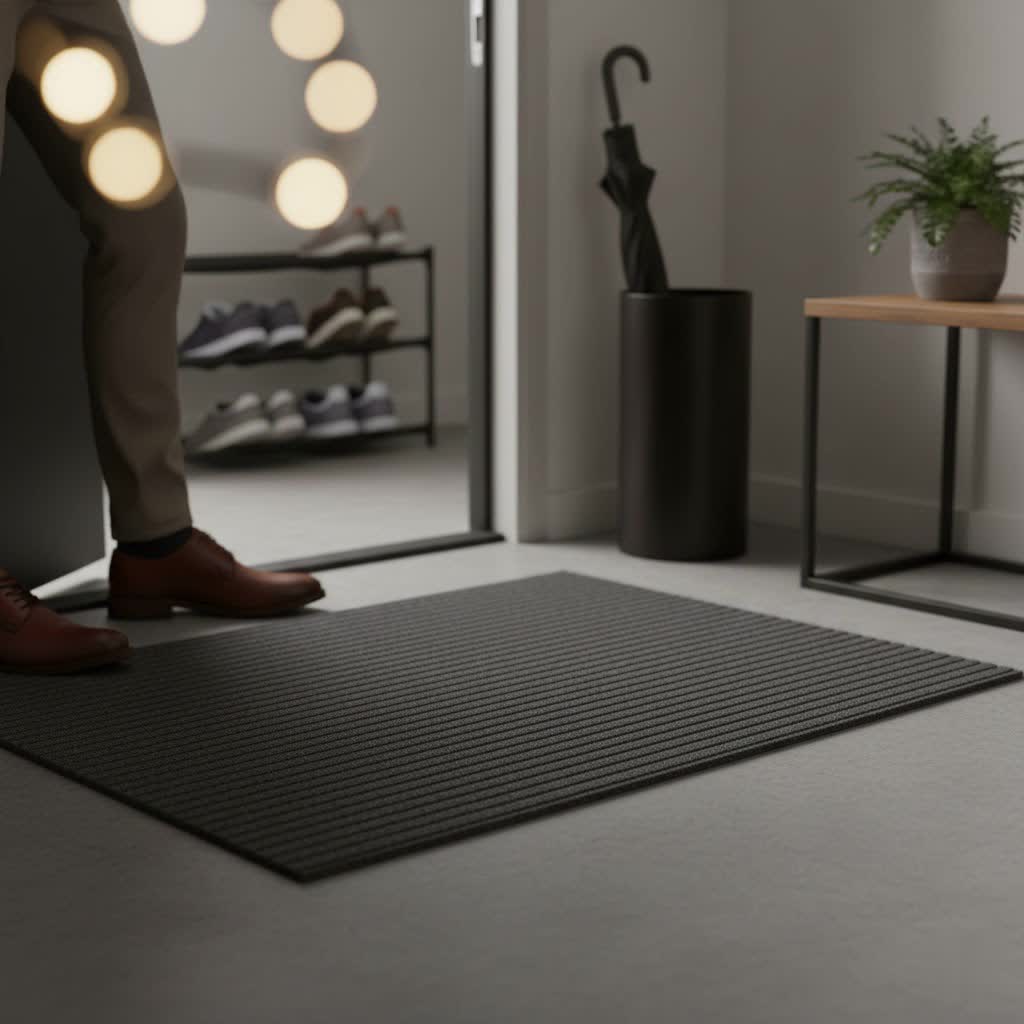
Stepping into your home should always feel secure, but a misplaced or sliding door mat can turn a simple entry into a hazard. For over a decade, my work as a technician at ReviewFindr.com has given me a deep appreciation for the humble door mat. From tackling dirt and moisture to adding a touch of style, these often-overlooked essentials play a crucial role in maintaining a clean and safe indoor environment. And when it comes to safety, a non-slip indoor door mat is not just a convenience—it’s a necessity. This comprehensive guide will walk you through everything you need to know to choose the perfect non-slip indoor door mat for your space, ensuring both protection and aesthetic appeal.
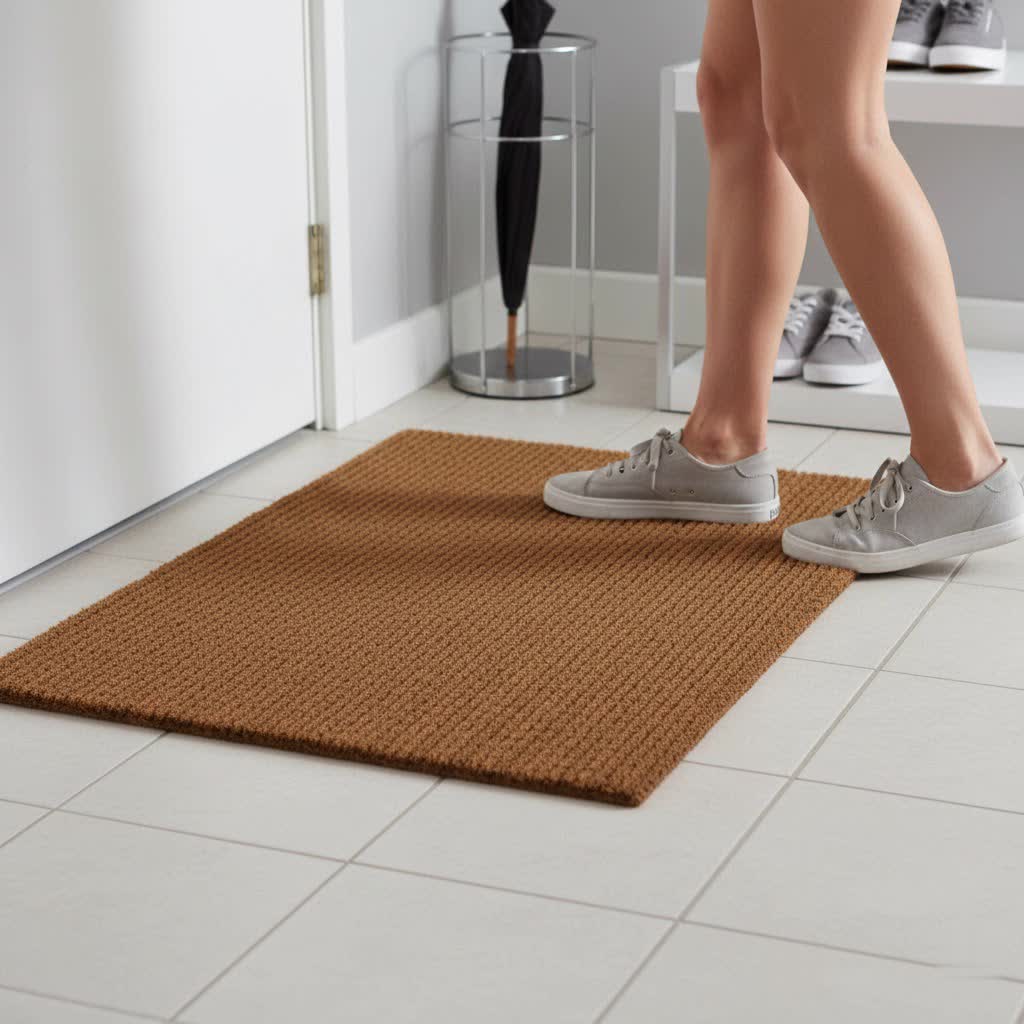
Popular Types of Indoor Door Mats with Non-Slip Features
Choosing the right indoor door mat starts with understanding the materials available and how they contribute to both functionality and non-slip performance. Each type offers a unique blend of benefits, making it suitable for different household needs and aesthetics.
Synthetic Fiber Mats (Polypropylene, Polyester, Microfiber)
Synthetic fiber mats are a popular choice for indoor use due known for their durability and versatility. Materials like polypropylene and polyester are highly resilient, standing up well to daily foot traffic without showing significant wear. Many are engineered with special textures or pile heights to effectively scrape off dirt and trap moisture from shoes. Microfiber variations excel in absorbency, making them ideal for catching water and fine dust. A significant advantage of many synthetic mats is their ease of cleaning; numerous options are machine washable, simplifying maintenance. Furthermore, synthetic mats are often fade-resistant and mold-resistant, performing well in various indoor climates.
The non-slip capability of these mats is typically provided by a robust backing made of rubber or PVC. This backing is crucial for keeping the mat firmly in place, even on smooth surfaces like tile or hardwood, preventing dangerous slips and falls.
- Pros: Durable, good scraping ability, highly absorbent (microfiber), easy to clean (often machine washable), fade and mold resistant.
- Cons: Can sometimes feel less “natural,” some materials may cling to solid debris, occasional fraying after excessive washing.
- Non-Slip Feature: Reliant on integrated rubber or PVC backings.
|
Our Picks for the Best Door Mat in 2026
We may earn a commission when you use one of our links to make a purchase.
|
||
| Num | Product | Action |
|---|---|---|
| 1 | Sturdy Front Door Mat, Absorbent Muddy Dirt Resist Welcome Door Mats Outdoor Indoor, Stain and Fade Resistant, Non-Slip Backing Entry Mat Low Profile Doormat for Entryway, 36×24, Blue |

|
| 2 | OLANLY Front Door Mat Indoor Outdoor Entrance, Waterproof All-Season, All-Weather Doormat, Sturdy Natural Rubber, Fade Resistant, Low Profile, Easy Clean Patio Porch Entryway Mat, 29.5x17, Black |
|
| 3 | OLANLY Front Door Mat Indoor Outdoor Entrance, Waterproof All-Season, All-Weather Doormat, Sturdy Natural Rubber, Fade Resistant, Low Profile, Easy Clean Patio Porch Entryway Mat, 29.5x17, Dark Brown |
|
| 4 | Sturdy Front Door Mat, Absorbent Muddy Dirt Resist Welcome Door Mats Outdoor Indoor, Stain and Fade Resistant, Non-Slip Backing Entry Mat Low Profile Doormat for Entryway, 29×17, Black |
|
| 5 | Sturdy Front Door Mat, Absorbent Muddy Dirt Resist Welcome Door Mats Outdoor Indoor, Stain and Fade Resistant, Non-Slip Backing Entry Mat Low Profile Doormat for Entryway, 29×17, Coffee |
|
| 6 | OLANLY Front Door Mat Indoor Outdoor Entrance, Waterproof All-Season, All-Weather Doormat, Sturdy Natural Rubber, Fade Resistant, Low Profile, Easy Clean Patio Porch Entryway Mat, 29.5x17, Brown |
|
| 7 | Sturdy Front Door Mat, Absorbent Muddy Dirt Resist Welcome Door Mats Outdoor Indoor, Stain and Fade Resistant, Non-Slip Backing Entry Mat Low Profile Doormat for Entryway, 29×17, Beige |
|
| 8 | OLANLY Front Door Mat Indoor Outdoor Entrance, Waterproof All-Season, All-Weather Doormat, Sturdy Natural Rubber, Fade Resistant, Low Profile, Easy Clean Patio Porch Entryway Mat, 29.5x17, Dark Grey |
|
| 9 | OLANLY Front Door Mat Indoor Outdoor Entrance, Waterproof All-Season, All-Weather Doormat, Sturdy Natural Rubber, Fade Resistant, Low Profile, Easy Clean Patio Porch Entryway Mat, 29.5x17, Beige |
|
| 10 | OLANLY Front Door Mat Indoor Outdoor Entrance, Waterproof All-Season, All-Weather Doormat, Sturdy Natural Rubber, Fade Resistant, Low Profile, Easy Clean Patio Porch Entryway Mat, 29.5x17, Blue |
|
Natural Fiber Mats (Coir, Cotton, Jute)
Natural fiber mats bring an organic and eco-friendly touch to any entryway. Coir, derived from coconut husks, is renowned for its abrasive surface, making it exceptionally effective at scraping off mud, dirt, and debris from shoes. Cotton mats, on the other hand, offer superior absorbency, soaking up moisture quickly to keep floors dry. Jute mats provide a textured surface that helps trap dirt while adding a rustic charm. These materials are celebrated for their natural look and feel, blending seamlessly with various decor styles.
While natural fibers are excellent for dirt trapping and absorbency, their inherent non-slip properties are limited. Therefore, most high-quality natural fiber indoor mats are designed with a sturdy rubber or latex backing to ensure they stay put on your floor. This combination provides the best of both worlds: natural effectiveness with enhanced safety. However, natural mats can be more challenging to clean thoroughly compared to synthetics, and some coir mats may shed fibers initially.
- Pros: Environmentally friendly, excellent at scraping dirt (coir), highly absorbent (cotton), natural aesthetic.
- Cons: Can be difficult to clean, some coir mats may shed, can be prone to mildew if not dried properly.
- Non-Slip Feature: Typically requires a separate rubber or latex backing for stability.
Rubber Mats
When maximum anti-slip performance and durability are the top priorities, rubber mats are an unparalleled choice. Constructed entirely or primarily from rubber, these mats are inherently heavy and dense, providing exceptional grip on any floor surface. Their robust composition makes them highly resistant to wear and tear, ideal for high-traffic areas or spaces prone to moisture, such as entryways from outdoors or mudrooms. Rubber mats are also generally waterproof and easy to clean, often requiring just a simple rinse or wipe-down. Many rubber mats feature textured patterns, grooves, or raised designs that further enhance their dirt-trapping capabilities and provide additional traction.
While highly functional, rubber mats may offer fewer aesthetic variations compared to fiber mats. Some might also have an initial rubber odor that dissipates over time. However, for sheer security and resilience, rubber remains a leading material.
- Pros: Extremely durable, excellent non-slip properties, ideal for wet areas, easy to clean, heavy construction prevents movement.
- Cons: Limited aesthetic variety, can sometimes have a distinct odor, dirt can cling in crevices of textured designs.
- Non-Slip Feature: Inherently non-slip due to material and weight; often textured for enhanced grip.
Hybrid and Specialty Mats (e.g., Waterhog-style)
Hybrid and specialty mats, such as those inspired by Waterhog designs, represent a blend of functionality, often incorporating recycled materials and advanced engineering for superior performance. These mats typically feature a durable fiber surface, often made from recycled polyester, combined with a robust rubber backing. The unique construction, frequently with raised patterns and different pile heights, is specifically designed to aggressively scrape off dirt and effectively trap large amounts of moisture from shoes, boots, and even pet paws. The rubber backing ensures maximum stability and non-slip performance, making them suitable for both indoor and outdoor use.
Waterhog-style mats are highly praised for their longevity, resistance to crushing, fading, mold, and mildew. They are often thin enough to clear most doors easily while still being exceptionally sturdy. While they excel in moisture absorption, some may take a bit longer to fully dry after becoming thoroughly saturated.
- Pros: Excellent dirt trapping and moisture absorption, often made from recycled materials, highly durable, strong non-slip rubber backing, thin profile for door clearance.
- Cons: Can be more expensive, may take longer to dry fully after heavy saturation.
- Non-Slip Feature: High-quality rubber backing for superior grip and stability.
Comparison Table of Indoor Door Mat Types
| Type of Mat | Pros | Cons | Best Suited For |
|---|---|---|---|
| Synthetic Fiber (Polypropylene, Polyester, Microfiber) | Durable, good scraping, highly absorbent (microfiber), often machine washable, fade/mold resistant. | Can feel less natural, some may cling to debris, occasional fraying. | High-traffic entryways, homes with pets/children, areas needing frequent washing. |
| Natural Fiber (Coir, Cotton, Jute) | Eco-friendly, excellent at scraping (coir), highly absorbent (cotton), natural aesthetic. | Can be difficult to clean, may shed (coir), prone to mildew if wet. | Dry entryways, eco-conscious homes, decorative purposes (with proper backing). |
| Rubber | Extremely durable, superior non-slip, ideal for wet areas, easy to clean, heavy. | Limited design variety, possible initial odor, dirt can collect in crevices. | High-traffic areas, mudrooms, preventing slips in wet conditions. |
| Hybrid/Specialty (e.g., Waterhog-style) | Superior dirt/moisture trapping, durable, often recycled, strong non-slip backing, low profile. | Higher initial cost, can take longer to dry completely. | All-weather entryways, high-traffic homes, where maximum cleanliness and safety are paramount. |
Guide to Choosing the Best Non-Slip Indoor Door Mat
Selecting the ideal non-slip indoor door mat involves more than just picking a color you like. It requires a thoughtful consideration of your specific needs, the mat’s location, and its practical features.
Determine Your Usage Needs
Before diving into material choices, take a moment to assess where the mat will be placed and what its primary job will be.
- Placement: Is it for the main entryway, a mudroom, a backdoor, a bathroom, or a hallway? Each location faces different challenges. An entryway mat needs to tackle outdoor elements, while a bathroom mat focuses on water absorption and preventing slips on wet floors.
- Traffic Level: How many people (and pets) will be crossing the mat daily? Low-traffic areas might prioritize aesthetics, while high-traffic zones demand maximum durability and dirt-trapping capability.
- Purpose: Do you primarily need it to scrape off dirt, absorb moisture, protect floors, add decorative flair, or, most importantly, prevent slips? A good non-slip mat should do all these, but some excel in specific areas.
Choose the Right Material for Performance and Safety
As we’ve explored, different materials offer distinct advantages. For a non-slip indoor door mat, the backing is just as important as the surface.
- Prioritize a robust non-slip backing: Always look for mats with rubber or high-quality latex backing. These materials provide the necessary friction against your floor to prevent the mat from shifting, even under heavy foot traffic or when wet. Avoid mats with flimsy backings or no backing at all, as these pose a significant slip hazard.
- Consider top surface material:
- For heavy dirt and debris, coir or textured synthetic fibers like polypropylene are excellent scrapers.
- For superior moisture absorption, microfiber or dense cotton piles are ideal.
- For extreme durability and wet conditions, a full rubber mat or a Waterhog-style mat with a polyester surface and rubber backing is recommended.
- Ensure the material is safe for health and non-irritating, especially in homes with children or pets.
Select the Appropriate Size and Shape
The right size and shape are crucial for both functionality and aesthetic appeal.
- Size: An indoor door mat should ideally cover the width of your doorway and extend far enough into the room to allow for a couple of steps. As interior designer Alexandra Cooper states, “A mat that is too small in comparison to the door is not practical and makes the overall look feel unfinished.” This ensures maximum dirt and moisture trapping before they spread further into your home.
- Door Clearance: Pay attention to the mat’s thickness. If your door swings inward, a thick mat can obstruct its movement. Low-profile mats (often synthetic or Waterhog-style) are designed specifically to fit under doors with minimal clearance.
- Shape: While rectangular mats are standard, round or semi-circular options can add a unique decorative touch. Choose a shape that complements your space and fits within the area without creating trip hazards.
Keep Color and Pattern in Mind
Beyond function, a door mat contributes to your home’s aesthetic.
- Color: Choose colors that harmonize with your existing decor and flooring. Lighter colors can make a small entryway feel larger, while darker shades can hide dirt better.
- Pattern: Simple, subtle patterns can integrate seamlessly, while bold or intricate designs can make a statement. Raised patterns not only add visual interest but also enhance the mat’s dirt-trapping ability.
Evaluate Maintenance and Care
An effective door mat needs to be cleaned regularly to maintain its performance.
- Washability: Consider how easy the mat is to clean. Many synthetic and cotton mats are machine washable, offering convenient deep cleaning. Others may require vacuuming, shaking out, or hosing down.
- Drying Time: Especially for mats in wet areas, a quick-drying material is beneficial to prevent mildew and odor.
Consider Price and Brand Reputation
While not explicitly part of the initial “types of mats”, it is an important final consideration.
- Value: Compare prices across different brands and retailers. A higher price often indicates better quality materials and construction, leading to greater durability and more effective non-slip performance.
- Brand Trust: Purchasing from reputable brands often guarantees better quality and customer support. Look for reviews and recommendations from other users to gauge reliability.
Top Picks for Non-Slip Indoor Door Mats
Based on extensive testing and user reviews, several indoor door mats consistently stand out for their superior non-slip performance, durability, and effectiveness. Here are a few notable examples:
Gorilla Grip Traffic Guard Doormat – Exceptional Grip for Everyday Use
This workhorse mat is celebrated for its incredibly grippy rubber backing, ensuring it stays firmly in place even on tile floors. Made with a textured fabric surface, it’s adept at wiping shoes clean and doesn’t show much dirt, even after prolonged use. Its thin profile allows it to clear most doors easily, making it a practical and durable choice for busy entryways.
L.L.Bean Heavyweight Recycled Waterhog Doormat – Sustainable Performance with Style
Crafted from recycled polyester with a sturdy rubber backing, this mat is a champion for both dirt trapping and eco-consciousness. Its raised pattern effectively scrapes debris from shoes while adding a touch of style. Despite its thin profile, it remains flat and secure, never slipping or curling, even under heavy foot traffic and in damp conditions. It’s easy to clean by shaking, vacuuming, or hosing down.
Turtle Mat – The Absorbent, Machine-Washable Solution
Turtle Mats stand out with their unique cotton-pile and microfibre blend, engineered to actively absorb an impressive amount of moisture and dirt. The anti-slip rubber or latex backing ensures the mat stays put, providing crucial safety. A key advantage is that all indoor Turtle Mats are machine washable, making them incredibly easy to maintain. They are non-damaging and anti-stain, free from PVC and vinyl, and are highly recommended for their dirt-trapping capabilities.
Ruggable Waggin’ Doormat – Stylish and Conveniently Washable
For those who prioritize both aesthetics and hygiene, Ruggable offers an innovative solution. The Waggin’ Doormat features a whimsical polyester cover that attaches to a separate, sturdy natural rubber base. The cover is machine washable, allowing for easy cleaning and even seasonal style changes. The rubber base provides excellent non-slip performance, keeping the mat securely in place. While the cover might show some fraying with frequent washing, its convenience for homes with pets or high foot traffic is undeniable.
Conclusion
Choosing the right non-slip indoor door mat is a critical step in maintaining a clean, safe, and welcoming home. By understanding the different materials—from the durable synthetic fibers and absorbent natural options to robust rubber and advanced hybrid designs—you can select a mat that perfectly aligns with your specific needs. Prioritizing features like a strong rubber backing, effective dirt-trapping surfaces, appropriate sizing, and ease of maintenance will ensure your investment provides both functionality and peace of mind. A high-quality non-slip door mat acts as your home’s first line of defense, keeping dirt and moisture at bay while significantly reducing the risk of accidental slips.
Are you ready to transform your entryway into a safer, cleaner, and more stylish space with the perfect non-slip indoor door mat?
Frequently Asked Questions
What makes a door mat non-slip?
A door mat is considered non-slip primarily due to its backing material. The most effective non-slip mats feature a robust backing made of materials like natural rubber, recycled rubber, or high-quality latex. These materials create friction against the floor, preventing the mat from sliding or shifting, even when stepped on quickly or when the floor beneath is damp. The weight and construction of the mat also contribute to its stability.
How often should I clean my indoor door mat?
The frequency of cleaning depends on the mat’s location and the amount of foot traffic it receives. For high-traffic entryways, vacuuming every few days and deep cleaning (shaking out, hosing down, or machine washing, depending on the material) every 1-2 weeks is recommended. Mats in lower-traffic areas might only need weekly vacuuming and monthly deep cleaning. Regular cleaning helps maintain the mat’s effectiveness in trapping dirt and moisture.
Are rubber-backed mats safe for all types of flooring?
Most modern rubber and latex backings are designed to be safe for a wide range of flooring types, including hardwood, tile, and laminate, as they are non-damaging and anti-stain. However, it’s always wise to check the mat manufacturer’s recommendations. For certain specialized or sensitive flooring materials, such as freshly waxed or some vinyl floors, it’s advisable to occasionally lift and air out the mat (fortnightly or monthly) or consult your flooring manufacturer to prevent any potential discoloration over extended periods.