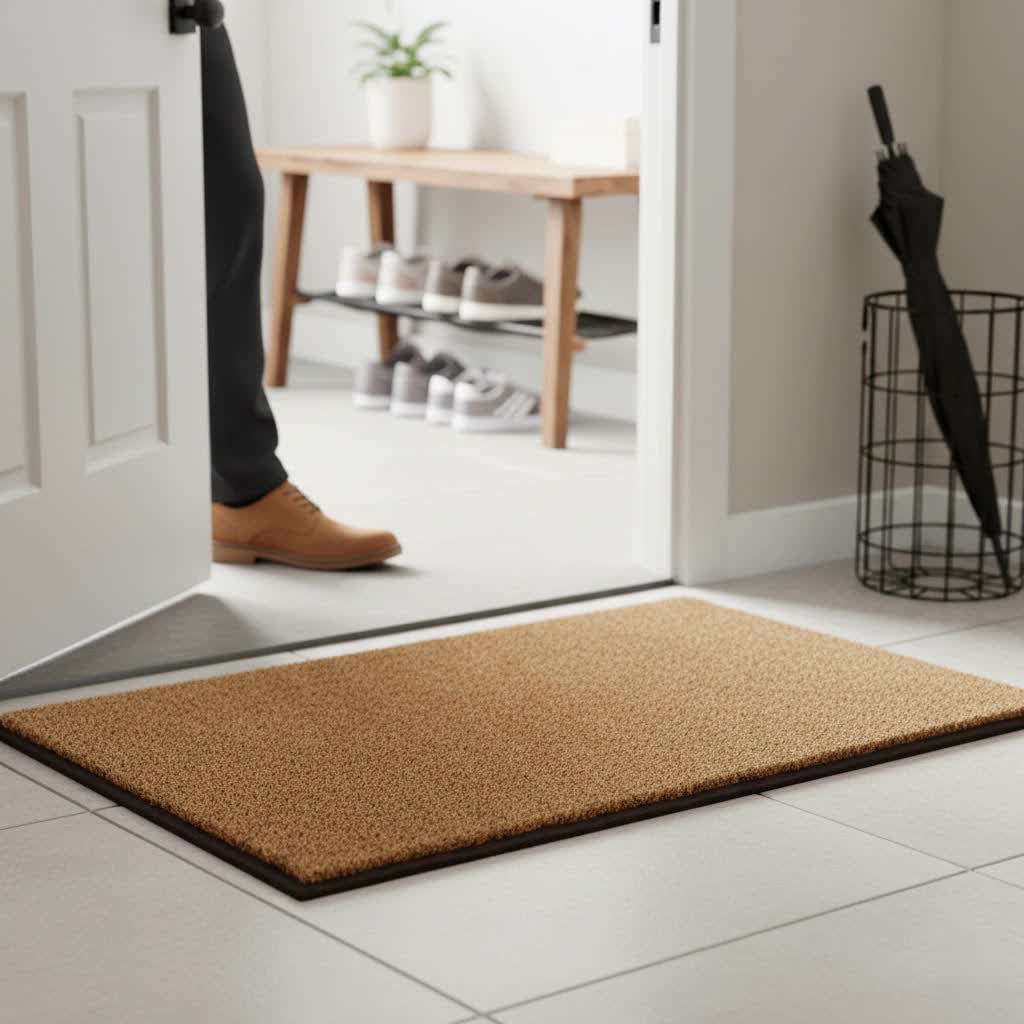
Choosing the perfect entrance door mat involves balancing functionality, durability, and style, with options ranging from synthetic fibers and natural materials like coir and cotton, to robust rubber and modern aluminum. The ideal mat acts as your home’s first line of defense, effectively trapping dirt, moisture, and debris before they are tracked inside. Understanding the specific characteristics of each material and considering factors like location, foot traffic, and desired purpose will help you select a mat that enhances both your home’s appeal and cleanliness.
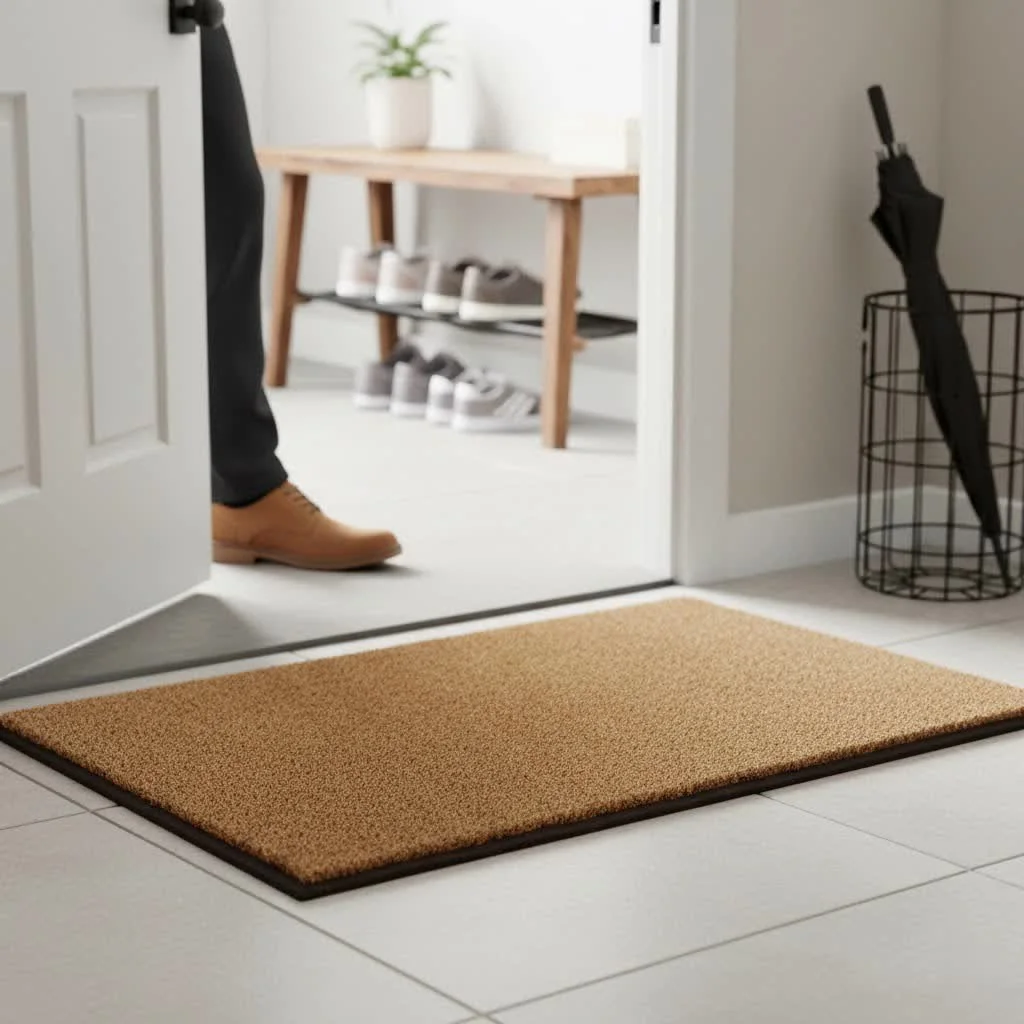
Types of Entrance Door Mats
Entrance door mats come in a variety of materials, each offering distinct advantages and suited for different environments and needs. From robust scrapers to plush wipers, knowing the characteristics of each type is crucial for making an informed decision.
Synthetic Fiber Door Mats
Synthetic fiber door mats, commonly made from materials like polypropylene, polyester, and nylon, are highly popular due to their versatility and performance.
- Polypropylene mats are known for their effective scraping action, particularly good for dry dust. They are generally durable, cost-effective, moisture-absorbing, quick-drying, and resistant to stains, fading, and mold. This makes them a strong choice for both indoor and outdoor settings, enduring various climates.
- Polyester mats offer a wide array of textures and colors that resist fading over time. They are easy to clean and often feature slip-resistant properties, providing a reliable barrier against dirt.
- Nylon mats are resilient and versatile, performing well in high-traffic areas by effectively trapping dirt and moisture. They are available in many patterns and designs, blending durability with aesthetic appeal.
- Advantages: Generally affordable, easy to clean, diverse in design and color, and offer good resistance to weather elements like fading and mold.
- Disadvantages: Some lower-quality synthetic mats might not be as long-lasting as higher-end materials, and highly absorbent microfiber variants might not be suitable for prolonged outdoor exposure.
Natural Fiber Door Mats (Coir, Cotton)
Natural fiber mats bring an organic touch to your entryway, often celebrated for their eco-friendliness and distinctive textures.
- Coir mats, crafted from coarse coconut husks, are excellent for aggressively scraping dirt and debris from shoes. They are naturally tough and weather-resistant, offering a timeless, rustic look. While effective at dirt removal and generally affordable, coir can be porous, may shed fibers over time, and takes longer to dry if heavily saturated. They are best suited for dry or covered outdoor areas.
- Cotton mats are typically softer and highly absorbent, making them ideal for indoor use where moisture absorption is a priority. They are comfortable underfoot and often machine washable for easy cleaning.
- Advantages: Environmentally friendly (especially coir), excellent dirt-scraping capabilities (coir), good absorbency (cotton), and provide a natural, welcoming aesthetic.
- Disadvantages: Coir mats can shed and are slow to dry, potentially leading to mildew in very damp conditions if not properly maintained. Cotton mats are primarily for indoor use as they don’t withstand outdoor elements well.
Rubber Door Mats
|
Our Picks for the Best Door Mat in 2026
As an Amazon Associate I earn from qualifying purchases.
|
||
| Num | Product | Action |
|---|---|---|
| 1 | Sturdy Front Door Mat, Absorbent Muddy Dirt Resist Welcome Door Mats Outdoor Indoor, Stain and Fade Resistant, Non-Slip Backing Entry Mat Low Profile Doormat for Entryway, 29×17, Coffee |

|
| 2 | OLANLY Front Door Mat Indoor Outdoor Entrance, Waterproof All-Season, All-Weather Doormat, Sturdy Natural Rubber, Fade Resistant, Low Profile, Easy Clean Patio Porch Entryway Mat, 29.5x17, Blue |
|
| 3 | OLANLY Front Door Mat Indoor Outdoor Entrance, Waterproof All-Season, All-Weather Doormat, Sturdy Natural Rubber, Fade Resistant, Low Profile, Easy Clean Patio Porch Entryway Mat, 29.5x17, Dark Grey |
|
| 4 | Sturdy Front Door Mat, Absorbent Muddy Dirt Resist Welcome Door Mats Outdoor Indoor, Stain and Fade Resistant, Non-Slip Backing Entry Mat Low Profile Doormat for Entryway, 29×17, Black |
|
| 5 | OLANLY Front Door Mat Indoor Outdoor Entrance, Waterproof All-Season, All-Weather Doormat, Sturdy Natural Rubber, Fade Resistant, Low Profile, Easy Clean Patio Porch Entryway Mat, 29.5x17, Beige |
|
| 6 | OLANLY Front Door Mat Indoor Outdoor Entrance, Waterproof All-Season, All-Weather Doormat, Sturdy Natural Rubber, Fade Resistant, Low Profile, Easy Clean Patio Porch Entryway Mat, 29.5x17, Black |
|
| 7 | Sturdy Front Door Mat, Absorbent Muddy Dirt Resist Welcome Door Mats Outdoor Indoor, Stain and Fade Resistant, Non-Slip Backing Entry Mat Low Profile Doormat for Entryway, 36×24, Blue |
|
| 8 | OLANLY Front Door Mat Indoor Outdoor Entrance, Waterproof All-Season, All-Weather Doormat, Sturdy Natural Rubber, Fade Resistant, Low Profile, Easy Clean Patio Porch Entryway Mat, 29.5x17, Dark Brown |
|
| 9 | Sturdy Front Door Mat, Absorbent Muddy Dirt Resist Welcome Door Mats Outdoor Indoor, Stain and Fade Resistant, Non-Slip Backing Entry Mat Low Profile Doormat for Entryway, 29×17, Beige |
|
| 10 | OLANLY Front Door Mat Indoor Outdoor Entrance, Waterproof All-Season, All-Weather Doormat, Sturdy Natural Rubber, Fade Resistant, Low Profile, Easy Clean Patio Porch Entryway Mat, 29.5x17, Brown |
|
Rubber door mats are built for resilience and safety, making them a robust option for various entranceways.
- Made from natural or synthetic rubber (like nitrile rubber), these mats are exceptionally durable, water-resistant, and provide excellent non-slip properties, even when wet.
- They are particularly ideal for heavy-duty exterior entrance areas and rainy or muddy climates. Many rubber mats feature open holes or textured surfaces to effectively scrape dirt and allow debris and water to drain through, preventing puddles. Their weight ensures they stay firmly in place. Nitrile rubber offers enhanced resistance to oils, chemicals, and higher heat, contributing to a longer lifespan.
- Advantages: Superior durability, excellent anti-slip performance, highly weather-resistant, and effective at trapping heavy dirt and moisture.
- Disadvantages: Can sometimes have a distinct rubber odor, may be less aesthetically varied than other types, and some types of rubber can crack in extremely cold temperatures. Textured versions might also be harder to deep clean.
Aluminum Door Mats
Aluminum door mats represent a more modern and high-end solution, often seen in commercial or architectural settings, but also suitable for contemporary residential entrances demanding exceptional durability and a sleek look.
- These mats typically feature aluminum frames with inserts of other materials like carpet or rubber strips, combining the strength of metal with the scraping or wiping properties of fabric.
- Advantages: Highly durable and long-lasting, resistant to heavy foot traffic and elements, easy to clean, and offer a sophisticated, modern appearance. They are often part of a building’s permanent entrance system.
- Disadvantages: Generally higher in cost than other mat types, and their aesthetic might not suit every home décor style, being more utilitarian or industrial in feel. They are less common for typical residential use.
Comparison Table of Entrance Door Mats
| Type of Mat | Advantages | Disadvantages | Best Suited For |
|---|---|---|---|
| Synthetic Fiber (Polypropylene, Polyester, Nylon) | Affordable, easy to clean, diverse designs, fade/mold-resistant, good scraping/wiping. | Less luxurious feel, some can have moderate durability outdoors. | High-traffic areas, indoor/outdoor transitions, varied climates, budget-conscious buyers. |
| Natural Fiber (Coir, Cotton) | Eco-friendly, excellent dirt scraping (coir), good absorbency (cotton), natural aesthetic. | Coir sheds and dries slowly; cotton mainly for indoors. | Dry, covered outdoor areas (coir); indoor spaces needing absorbency (cotton); rustic decor. |
| Rubber | Extremely durable, excellent non-slip properties, water-resistant, heavy-duty dirt trapping. | Can have rubber odor, some may crack in extreme cold, limited aesthetic variety. | Rainy/muddy areas, heavy foot traffic, industrial look, maximum safety. |
| Aluminum | Very durable, modern aesthetic, easy to clean, resistant to heavy traffic and elements. | High cost, potentially industrial aesthetic, not common for all residential styles. | High-end or modern entrances, heavy foot traffic, commercial applications. |
Buying Guide: How to Choose the Perfect Entrance Door Mat
Selecting the right entrance door mat involves more than just picking a design you like. It requires considering several practical factors to ensure it serves its purpose effectively and enhances your home’s appeal.
Determine Usage Needs
Before anything else, think about where the mat will be placed and what you expect it to do.
- Location: Is it for an uncovered outdoor entrance, a covered porch, or an indoor entryway? Outdoor mats need to withstand elements, while indoor mats might prioritize absorbency or aesthetics.
- Foot Traffic: How many people (and pets) will use the entrance daily? High-traffic areas demand more durable, heavy-duty mats.
- Purpose: Do you primarily need a mat to scrape off mud and debris, absorb moisture, provide anti-slip safety, or serve as a welcoming decorative element? Often, the best solution involves a combination: a scraper mat outside and a wiper mat inside.
Choose the Right Material
The material dictates much of a mat’s performance and longevity.
- For heavy scraping of dirt and mud, coarse natural fibers like coir or rubber mats with textured surfaces are excellent choices for outdoor use.
- For absorbing moisture and finer dust, synthetic fibers like polypropylene, polyester, or plush microfiber are highly effective, particularly for indoor or covered outdoor areas.
- For all-weather durability and superior non-slip properties, rubber and high-grade synthetic blends are reliable. Consider rubber for very wet or muddy environments.
- Health and Safety: Prioritize materials that are non-toxic, especially if you have children or pets. Look for non-slip backing to prevent accidents.
Select Size and Shape
The right size and shape ensure both functionality and aesthetic harmony.
- Size: A general rule is for the mat to cover at least 80% of your door’s width. For a standard single door (around 36 inches wide), a mat measuring 18×30 inches or 2×3 feet is often proportional. Double doors, typically around 80 inches wide, require larger mats, such as 24×60 inches or 30×48 inches, to provide adequate coverage. For high-traffic areas or commercial spaces, even larger mats that allow for several steps are recommended.
- Thickness: Ensure the mat is not too thick to obstruct the door’s swing. A low-profile mat might be necessary if your door has minimal clearance. However, a denser pile is often more effective at cleaning shoes.
- Shape: While rectangular is most common, round, semicircular, or oval mats can add a unique touch depending on your entryway’s design.
Consider Color and Pattern
The mat’s appearance contributes significantly to your home’s curb appeal and interior decor.
- Color: Choose colors that complement your home’s exterior or interior palette. Neutral tones like grey, brown, or charcoal are versatile and excellent at hiding dirt. Vibrant colors or bold patterns can add a pop of personality or a welcoming statement.
- Pattern and Design: Patterns can add visual interest and texture. Consider simple geometric designs for a modern look, or classic motifs for a traditional home. Personalized or themed mats can also reflect your unique style.
Research Prices and Brands
Quality entrance mats are an investment in keeping your home clean and safe.
- Price: Doormats range widely in price, from under $30 for basic options to over $200 for oversized, customizable, or specialized high-quality mats. Factor in the cost if you need multiple mats for different entrances.
- Brand Reputation: Opt for reputable brands known for durability and performance. Reviews and expert recommendations can offer valuable insights into a product’s real-world effectiveness. A well-made mat, though potentially a higher upfront cost, will often save you money in the long run by lasting longer and performing better.
Top-Rated Entrance Door Mat Models
When exploring the market for the best entrance door mat, certain styles and functionalities consistently stand out for their ability to deliver on cleanliness, durability, and aesthetic appeal.
Heavy-Duty All-Weather Mat – Designed for Extreme Conditions
This type of mat often features a robust construction from recycled polyester and rubber, built to withstand the harshest weather conditions, from heavy rain and snow to intense sunlight. Its raised-edge design and deep grooves or 3D patterns effectively trap water, mud, and debris, preventing them from spreading indoors. The anti-slip rubber backing ensures it stays firmly in place, even on slick surfaces, making it an excellent choice for uncovered outdoor entrances with high foot traffic.
Ultra-Absorbent Microfiber Wiper Mat – The Pet-Friendly Solution
Specifically designed for superior absorbency, microfiber mats excel at drying wet shoes and paws, making them a favorite for households with pets or those living in areas prone to dampness. These mats are typically soft, plush, and machine washable, allowing for effortless cleaning. While perhaps not ideal for heavy-duty scraping outdoors, they perform exceptionally well just inside the entrance, capturing fine dirt and moisture before it tracks further into your home.
Classic Coir Scraper Mat – Timeless Elegance with Natural Power
Embodying a traditional and welcoming aesthetic, classic coir mats are made from the stiff fibers of coconut husks. Their naturally coarse and bristly texture provides an excellent scraping surface to remove stubborn dirt and debris from footwear. Often featuring simple patterns or monogrammed designs, these mats combine functionality with a charming, rustic appeal. They are best suited for covered outdoor areas where their natural beauty can shine while effectively keeping grime at bay.
“The right entrance mat is not just about keeping dirt out; it’s about making a statement, enhancing safety, and preserving your home’s interior. Choose wisely, and it will serve you well for years.” – ReviewFindr.com Admin, Door Mat Expert
Conclusion
Choosing the perfect entrance door mat is a thoughtful decision that significantly impacts your home’s cleanliness, safety, and curb appeal. We’ve explored the diverse world of door mats, from robust synthetic fibers and eco-friendly natural options to durable rubber and modern aluminum solutions. Understanding the pros and cons of each material, coupled with a keen eye on your specific usage needs, size requirements, and aesthetic preferences, will guide you to an informed choice.
A high-quality entrance mat is an investment in your home. By selecting a mat that is both functional and beautiful, you ensure a welcoming first impression while effectively protecting your interior floors from the elements. So, are you ready to improve your entryway with a mat that’s truly the best fit for your home?
Frequently Asked Questions
How often should I replace my entrance door mat?
The lifespan of an entrance door mat varies depending on its material, exposure to elements, and foot traffic. Rubber mats generally last longer, but if your mat is constantly exposed to harsh weather or heavy use, you might need to replace it every six months to two years. Regular cleaning and proper maintenance can significantly extend its life.
Should I have an indoor and an outdoor entrance mat?
For optimal cleanliness, having both an outdoor and an indoor entrance mat is highly recommended. An outdoor mat, typically a scraper, tackles coarse dirt and debris from shoes. An indoor mat, often a softer, absorbent wiper, then catches any remaining moisture and fine particles, providing a dual-layer defense against tracking dirt into your home.
How do I clean different types of door mats?
Cleaning methods vary by material. Coir mats often require shaking or beating to remove loose dirt, followed by vacuuming and rinsing with a garden hose for deeper cleaning. Synthetic mats like polypropylene or polyester can usually be hosed down or vacuumed. Some microfiber mats are machine washable. Always check the manufacturer’s instructions for the best care practices.
What size entrance door mat is best for a standard single door?
For a standard single door, which is typically around 36 inches wide, a proportional entrance door mat measures 18×30 inches or 2×3 feet. This size ensures the mat covers at least 80% of the door’s width, providing adequate space for wiping shoes.
Are natural fiber door mats suitable for all climates?
Natural fiber door mats, such as coir, are best suited for dry or covered outdoor areas. While tough and weather-resistant, coir can be porous and takes longer to dry if heavily saturated, potentially leading to mildew in very damp conditions if not properly maintained. Cotton mats are primarily for indoor use.
What are the benefits of rubber door mats?
Rubber door mats offer superior durability, excellent anti-slip performance, and high weather resistance, making them ideal for heavy-duty exterior entrance areas and rainy or muddy climates. They effectively trap heavy dirt and moisture, and their weight ensures they stay firmly in place.
Frequently Asked Questions
How often should I replace my entrance door mat?
The lifespan of an entrance door mat varies, but rubber mats generally last longer. If your mat is exposed to harsh weather or heavy use, you might need to replace it every six months to two years. Regular cleaning and proper maintenance can significantly extend its life.
Should I have an indoor and an outdoor entrance mat?
For optimal cleanliness, having both an outdoor and an indoor entrance mat is highly recommended. An outdoor scraper mat tackles coarse dirt, while an indoor absorbent wiper mat catches remaining moisture and fine particles, providing a dual-layer defense.
How do I clean different types of door mats?
Cleaning methods vary by material. Coir mats require shaking or beating, then vacuuming and rinsing. Synthetic mats can usually be hosed down or vacuumed, and some microfiber mats are machine washable. Always check manufacturer's instructions for best care.
What size entrance door mat is best for a standard single door?
For a standard single door, which is typically around 36 inches wide, a proportional entrance door mat measures 18x30 inches or 2x3 feet. This size ensures the mat covers at least 80% of the door's width, providing adequate space for wiping shoes.
Are natural fiber door mats suitable for all climates?
Natural fiber door mats, such as coir, are best suited for dry or covered outdoor areas. While tough and weather-resistant, coir can be porous and takes longer to dry if heavily saturated, potentially leading to mildew in very damp conditions if not properly maintained. Cotton mats are primarily for indoor use.
What are the benefits of rubber door mats?
Rubber door mats offer superior durability, excellent anti-slip performance, and high weather resistance, making them ideal for heavy-duty exterior entrance areas and rainy or muddy climates. They effectively trap heavy dirt and moisture, and their weight ensures they stay firmly in place.
How to Choose the Perfect Entrance Door Mat
Selecting the right entrance door mat involves considering several practical factors to ensure it serves its purpose effectively and enhances your home's appeal.
Consider the mat's location (uncovered outdoor, covered porch, or indoor) and the expected foot traffic. Define its primary purpose: scraping mud, absorbing moisture, providing anti-slip safety, or decorative appeal. Often, a combination of an outdoor scraper and an indoor wiper mat is most effective.
For heavy scraping, select coarse natural fibers like coir or textured rubber mats. For moisture absorption and finer dust, synthetic fibers like polypropylene or plush microfiber are effective. For all-weather durability and superior non-slip properties, opt for rubber or high-grade synthetic blends, especially in wet environments. Prioritize non-toxic materials with non-slip backing for health and safety.
Ensure the mat covers at least 80% of your door's width; for a standard single door (36 inches wide), 18x30 inches or 2x3 feet is proportional. For double doors (around 80 inches wide), larger mats like 24x60 inches or 30x48 inches are needed. Check that the mat's thickness does not obstruct the door's swing, but note that a denser pile often cleans shoes more effectively. While rectangular is common, consider round, semicircular, or oval shapes for unique entryways.
Choose colors that complement your home's exterior or interior palette; neutral tones like grey, brown, or charcoal are versatile and hide dirt well. Vibrant colors or bold patterns can add personality. Patterns and designs, from simple geometrics to classic motifs, can add visual interest and texture, reflecting your unique style.
Doormats range from under $30 to over $200; factor in costs if you need multiple mats. Opt for reputable brands known for durability and performance, as a well-made mat is an investment that lasts longer and performs better, saving money in the long run. Reviews and expert recommendations offer valuable insights into real-world effectiveness.
Get our weekly buyer guide
Practical specs, not advice. Unsubscribe anytime.

This was super helpful in deciding on a new mat for our high-traffic front door. We get a lot of foot traffic, so the advice on considering durability was key. We opted for a rubber mat, and it’s holding up great against all the daily wear and tear. It really does act as the first line of defense against tracking in debris.
I loved the detailed explanation of how different materials perform. I was torn between cotton and synthetic, but after reading about the moisture-trapping capabilities, I chose a cotton blend for our covered porch. It’s soft underfoot and really soaks up the rain and snow from shoes. Plus, it looks great with our decor!
I’ve always struggled with keeping my entryway clean, especially with two kids and a dog. This guide really helped me understand the difference between scraper and wiper mats. I ended up getting a synthetic fiber mat for its durability and it’s been fantastic at trapping all the dirt and moisture. My floors are noticeably cleaner!
I appreciated the breakdown of materials. I went with a coir mat for its natural look, but I’ve found it sheds a bit more than I expected, especially in the first few weeks. It does a decent job of scraping off mud, but I’m constantly sweeping up the fibers around it. Wish I’d considered that more.