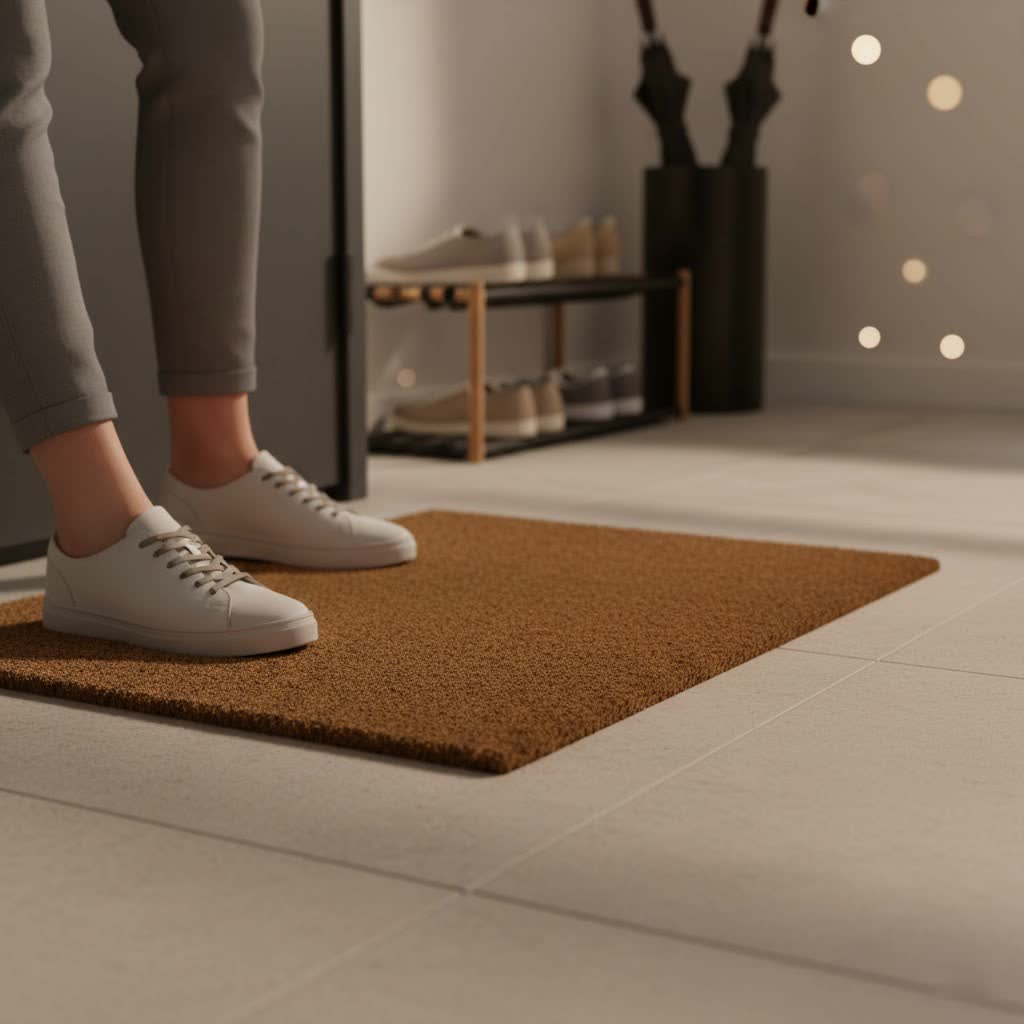
Stepping into a home, what’s the first thing that greets you? Often, it’s the humble yet essential door mat. More than just a decorative accent, a high-quality door mat acts as your home’s first line of defense against dirt, moisture, and debris, preserving your floors and maintaining cleanliness. But with countless options available, finding the ideal door mat for your unique space can feel overwhelming. As someone with over a decade of experience in this field, I understand the nuances of materials, sizes, and manufacturing technologies. Join me as we explore the world of door mats to help you discover the perfect blend of functionality and style for your home.
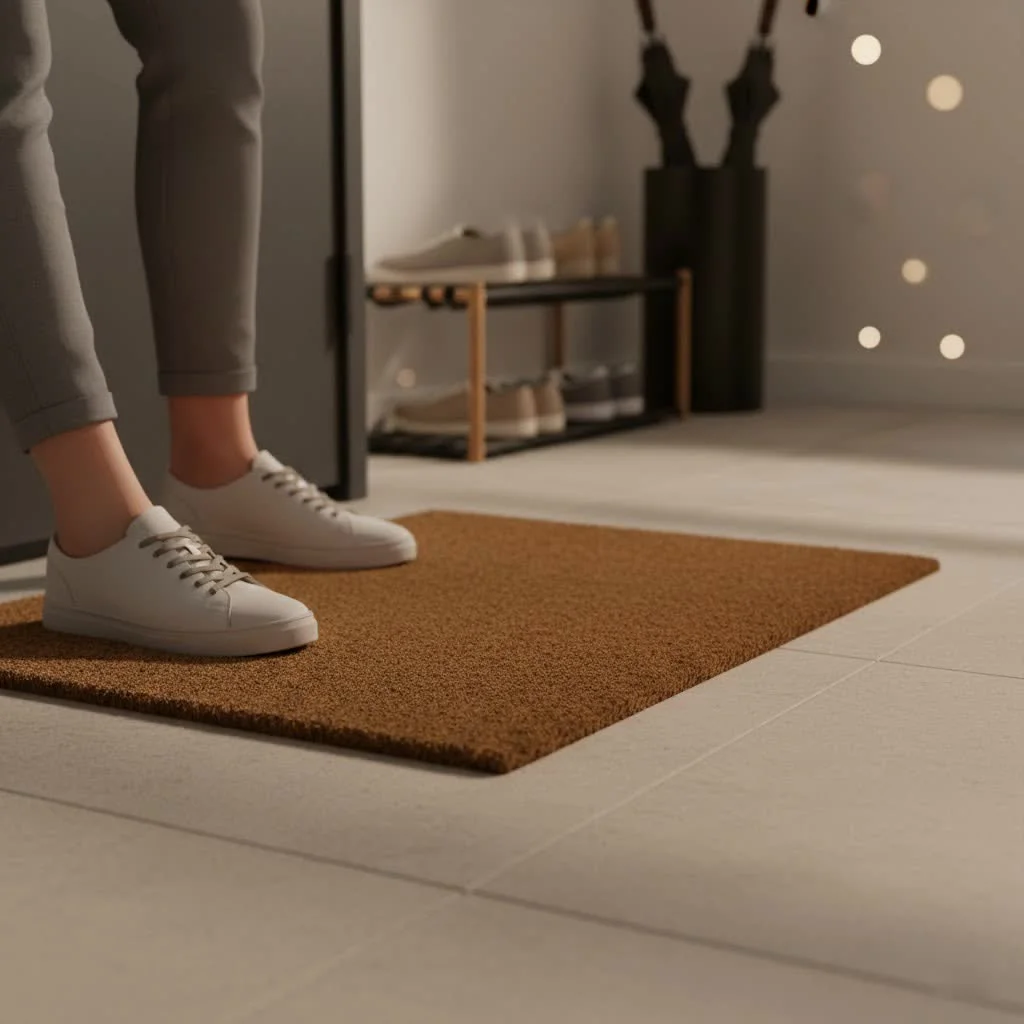
Popular Types of Door Mats
The secret to a great door mat lies in its material. Different fibers and compounds offer distinct advantages, making them suitable for various environments and needs. Understanding these categories is the first step toward making an informed choice. For more home decor guides on this site.
Synthetic Fiber Door Mats
Synthetic fiber door mats, often made from materials like polypropylene, polyester, PVC, or nylon, are incredibly versatile and widely popular. They are typically affordable and come in a vast array of designs and colors, making it easy to find one that matches your home’s aesthetic. These mats are known for their durability, resisting mildew and fading, and many are designed to be easy to clean, often requiring just a shake, vacuum, or even a machine wash. Polypropylene mats, for example, are highly stain-resistant and excel in outdoor settings, while softer microfibers are perfect for absorbing moisture indoors. However, while some synthetic options are robust, they might not offer the same aggressive scraping ability as coarser natural fibers.
Natural Fiber Door Mats (Coir, Cotton, Jute, Bamboo)
For those who appreciate an eco-friendly and organic aesthetic, natural fiber door mats are an excellent choice.
- Coir mats, crafted from coconut husks, are renowned for their tough, bristly texture which is exceptional at scraping dirt, mud, and debris from shoes. They are durable and suitable for covered outdoor areas, offering a rustic charm. However, coir mats can shed fibers, may not dry quickly in consistently wet environments, and can be prone to mold if left damp without proper ventilation.
- Jute mats are softer and often chosen for indoor spaces, providing a warm, natural look. They are durable and pet-friendly, though best kept in low-moisture areas as they are absorbent.
- Cotton and microfiber mats are highly absorbent and soft underfoot, making them ideal for indoor use, particularly in bathrooms or laundry rooms where moisture control is key.
- Bamboo mats stand out for their durability and natural resistance to moisture, making them versatile for both indoor and outdoor settings with a sleek, contemporary appearance.
Rubber Door Mats
|
Our Picks for the Best Door Mat in 2026
As an Amazon Associate I earn from qualifying purchases.
|
||
| Num | Product | Action |
|---|---|---|
| 1 | OLANLY Front Door Mat Indoor Outdoor Entrance, Waterproof All-Season, All-Weather Doormat, Sturdy Natural Rubber, Fade Resistant, Low Profile, Easy Clean Patio Porch Entryway Mat, 29.5x17, Black |

|
| 2 | Sturdy Front Door Mat, Absorbent Muddy Dirt Resist Welcome Door Mats Outdoor Indoor, Stain and Fade Resistant, Non-Slip Backing Entry Mat Low Profile Doormat for Entryway, 36×24, Blue |
|
| 3 | OLANLY Front Door Mat Indoor Outdoor Entrance, Waterproof All-Season, All-Weather Doormat, Sturdy Natural Rubber, Fade Resistant, Low Profile, Easy Clean Patio Porch Entryway Mat, 29.5x17, Blue |
|
| 4 | OLANLY Front Door Mat Indoor Outdoor Entrance, Waterproof All-Season, All-Weather Doormat, Sturdy Natural Rubber, Fade Resistant, Low Profile, Easy Clean Patio Porch Entryway Mat, 29.5x17, Dark Grey |
|
| 5 | Sturdy Front Door Mat, Absorbent Muddy Dirt Resist Welcome Door Mats Outdoor Indoor, Stain and Fade Resistant, Non-Slip Backing Entry Mat Low Profile Doormat for Entryway, 29×17, Black |
|
| 6 | Sturdy Front Door Mat, Absorbent Muddy Dirt Resist Welcome Door Mats Outdoor Indoor, Stain and Fade Resistant, Non-Slip Backing Entry Mat Low Profile Doormat for Entryway, 29×17, Coffee |
|
| 7 | Sturdy Front Door Mat, Absorbent Muddy Dirt Resist Welcome Door Mats Outdoor Indoor, Stain and Fade Resistant, Non-Slip Backing Entry Mat Low Profile Doormat for Entryway, 29×17, Beige |
|
| 8 | OLANLY Front Door Mat Indoor Outdoor Entrance, Waterproof All-Season, All-Weather Doormat, Sturdy Natural Rubber, Fade Resistant, Low Profile, Easy Clean Patio Porch Entryway Mat, 29.5x17, Brown |
|
| 9 | OLANLY Front Door Mat Indoor Outdoor Entrance, Waterproof All-Season, All-Weather Doormat, Sturdy Natural Rubber, Fade Resistant, Low Profile, Easy Clean Patio Porch Entryway Mat, 29.5x17, Dark Brown |
|
| 10 | OLANLY Front Door Mat Indoor Outdoor Entrance, Waterproof All-Season, All-Weather Doormat, Sturdy Natural Rubber, Fade Resistant, Low Profile, Easy Clean Patio Porch Entryway Mat, 29.5x17, Beige |
|
Rubber door mats are the champions of durability and safety. Their inherent non-slip properties make them ideal for areas prone to moisture or heavy foot traffic, such as entryways in rainy climates or utility areas. They are exceptionally weather-resistant, capable of withstanding extreme conditions without deteriorating, and are easy to clean – often just a rinse with a hose will do. Many rubber mats feature textured surfaces or grooves designed to effectively trap water and larger debris. While highly practical and long-lasting, rubber mats generally offer fewer aesthetic variations compared to fiber mats and may occasionally emit a distinct rubber odor, especially when new.
Aluminum Door Mats
Aluminum door mats represent the epitome of modernity and robustness. Often found in commercial settings, they are increasingly popular in high-end residential entrances due to their luxurious appearance and unparalleled durability. These mats are highly resistant to wear and tear, corrosion, and heavy loads, making them a long-term investment. Their sleek, metallic aesthetic integrates seamlessly into contemporary architectural designs. Cleaning is straightforward, usually involving vacuuming or hosing down. The primary drawbacks are their higher upfront cost and their distinct industrial aesthetic, which may not suit every home décor style. They are best suited for prestigious entryways where both supreme functionality and a sophisticated, modern look are desired.
Comparison Table of Door Mat Types
To help you quickly differentiate between the most common door mat types, here’s a comparative overview of their key features:
| Type of Mat | Pros | Cons | Best Suited For |
|---|---|---|---|
| Synthetic Fiber | Affordable, diverse designs, easy to clean, durable, fade/mold resistant | Less effective scraping than coir, some limited absorbency | Low-traffic areas, budget-conscious, versatile indoor/outdoor (depending on specific fiber) |
| Natural Fiber | Eco-friendly, good absorbency (cotton), excellent scraping (coir) | Can be harder to clean, prone to mold (in damp), may shed (coir) | Dry areas, natural aesthetic, covered entryways, moderate traffic |
| Rubber | Highly durable, excellent anti-slip, weather-resistant, easy to clean | Limited design options, potential rubber smell, heavier | Wet/muddy areas, high safety needs, outdoor exposure, high traffic |
| Aluminum | Luxurious, extremely durable, easy to clean, modern aesthetic | High upfront cost, specific aesthetic niche, more rigid feel | High-end entryways, modern designs, heavy commercial or luxury residential traffic |
Guide to Choosing the Right Door Mat
Selecting the perfect door mat involves more than just picking a pretty pattern. It’s about matching the mat’s characteristics to your specific needs and environment.
Identify Your Usage Needs
Start by considering where the mat will be placed and what purpose it needs to serve.
- Placement: Is it for the main entrance, a back door, a bathroom, or a hallway? Outdoor mats need to withstand elements, while indoor mats prioritize absorbency and softness.
- Traffic Level: How many people (and pets) will cross it daily? High-traffic areas require more durable, robust mats designed for heavy use.
- Purpose: Do you primarily need it to scrape off mud and debris, absorb moisture from wet shoes, provide an anti-slip surface, or serve mainly as a decorative element? A mat at a busy family entrance will have different requirements than one in a guest bathroom.
Select the Right Material
Once you understand your needs, choose a material whose properties align best. If you live in a rainy climate with heavy foot traffic, a durable rubber mat or a heavy-duty polypropylene mat might be ideal for outdoors. For a covered porch or a rustic entrance, a tough coir mat can effectively scrape off dirt. Inside, a soft cotton or microfiber mat offers comfort and superior moisture absorption. Always prioritize materials that are safe for your household, particularly if you have children or pets, ensuring they are non-toxic and won’t cause allergic reactions.
Choose the Right Size and Shape
The size and shape of your door mat significantly impact both its functionality and appearance.
- Size: A good rule of thumb is that your door mat should be at least as wide as your doorway, ideally covering 80% to 100% of its width. This ensures that anyone entering naturally steps onto the mat, maximizing its dirt-trapping ability. For standard single doors, common sizes like 18×30 inches or 24×36 inches work well. If you have a double door, consider a larger mat, such as 30×48 inches, to ensure adequate coverage. Oversized mats, up to 36×72 inches, are available for grand entryways.
- Shape: While rectangular mats are the most common and versatile, don’t shy away from other shapes. Semi-circular mats can fit snugly against rounded entryways or add a softer visual appeal, while round or oval options can introduce a unique design element to your space.
Consider Color and Pattern
A door mat is an opportunity to express your personal style and enhance your home’s curb appeal.
- Color: Choose colors that harmonize with your home’s exterior or interior decor. Neutral tones like browns, grays, or charcoal can effectively hide dirt and blend seamlessly. If you prefer a pop of color, consider vibrant hues that complement your surroundings, keeping in mind they might show dirt more readily.
- Pattern: Simple geometric patterns, subtle textures, or classic welcome designs are timeless. For 2026, trends point towards bolder geometric patterns and earthy, warm tones (like terracotta, olive green, and deep browns) that provide depth and personality, moving away from pastels and muted grays. Personalized mats with unique messages are also a popular way to add a special touch.
Evaluate Price and Brand
While budget is always a factor, a door mat is an investment in your home’s cleanliness and aesthetics.
- Price: Compare prices across different retailers and brands, but don’t automatically opt for the cheapest option. A higher-quality mat made from durable materials will likely last longer and perform better, offering greater long-term value.
- Brand: Opt for reputable brands known for quality and customer satisfaction. Reading reviews from other buyers can provide valuable insights into a mat’s real-world performance and durability.
Top-Rated Door Mat Models
Here are a few examples of highly regarded door mat models, celebrated for their effectiveness and design:
WaterHog Diamond Door Mat – Versatile, durable, excellent dirt and moisture trapping
Known for its unique “waffle” design, the WaterHog mat is a favorite for its ability to aggressively scrape dirt and trap moisture. Made from recycled materials, it’s a durable option suitable for both indoor and outdoor use.
Gorilla Grip Traffic Guard Doormat – Budget-friendly, durable, anti-slip
This mat offers a practical and economical solution, featuring a strong rubber backing for superior anti-slip performance and a tough polypropylene surface to handle heavy foot traffic and absorb moisture effectively.
Ruggable Washable Doormats – Stylish, easy to clean (machine washable), non-slip
Ruggable doormats combine style with unparalleled convenience. Featuring a two-piece system with a decorative cover and a non-slip pad, the covers are machine washable, making maintenance a breeze while offering a wide range of trendy designs.
Conclusion
Choosing the perfect door mat is about more than just a quick purchase; it’s about selecting a functional and aesthetic extension of your home. By considering your specific needs, the properties of different materials, and the latest design trends, you can find a mat that not only enhances your entryway but also significantly contributes to keeping your home cleaner and more welcoming. From the scraping power of coir to the anti-slip reliability of rubber, each type offers distinct benefits. So, which door mat will be the next guardian of your clean floors and the first impression of your unique style?
Frequently Asked Questions
What is the best material for an outdoor door mat?
For outdoor use, materials like rubber or heavy-duty polypropylene are excellent due to their durability and weather resistance. Coir is also a popular choice for its scraping ability, but it performs best in covered outdoor areas to prevent mold and prolonged dampness.
How often should you clean a door mat?
The frequency of cleaning depends on traffic and weather. High-traffic outdoor mats might need shaking or hosing down weekly, while indoor mats may only require vacuuming a few times a month. Regular cleaning prolongs a mat’s life and effectiveness.
Can door mats be used indoors?
Absolutely! Many door mats are designed specifically for indoor use, prioritizing softness, high absorbency (like cotton or microfiber), and decorative appeal. These are perfect for hallways, kitchens, or inside entryways where less aggressive scraping is needed.
What size door mat is best for a double door?
For a double door, a larger door mat is recommended to ensure proper coverage. A size of approximately 30 x 48 inches is ideal, allowing ample space for people to wipe their feet effectively as they enter or exit.
What are the latest trends in door mat designs for 2026?
Current trends for 2026 emphasize eco-friendly and natural materials, bold geometric patterns, and personalized designs that add character. Earthy and warm color palettes, such as terracotta and olive green, are also gaining popularity.
Get our weekly buyer guide
Practical specs, not advice. Unsubscribe anytime.
