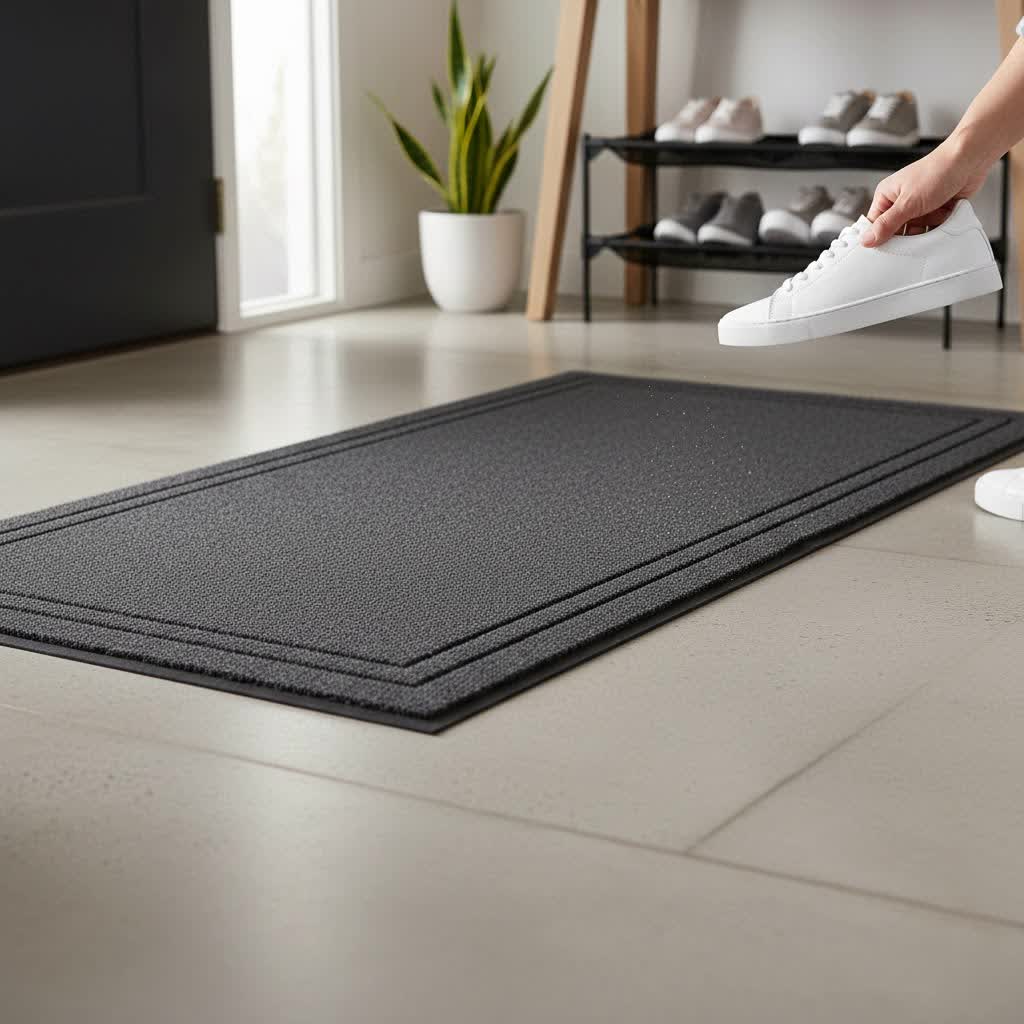
Stepping through your double doors should feel like an entrance, not a dirty dilemma. A well-chosen welcome mat for a double door isn’t just a decorative accent; it’s the unsung hero keeping your home pristine and extending a genuine greeting to every guest. With years of experience reviewing countless floor coverings, I know the impact a superior mat can have. This comprehensive guide will navigate you through selecting the ideal double door welcome mat that blends functionality with flawless style, ensuring your grand entryway always makes the best first impression.
Types of Double Door Welcome Mats
The material of your double door welcome mat dictates its performance, durability, and aesthetic. Understanding the pros and cons of each common type is crucial for making an informed choice for your specific needs and environment.
Natural Fiber Mats (Coir, Jute)
Natural fiber mats, predominantly made from coir (coconut husk fibers) or jute, offer a classic, organic appeal. They are renowned for their rugged texture, which is excellent at scraping off dirt and debris from shoes.
- Pros:
- Eco-Friendly: Made from sustainable resources, these mats are often biodegradable.
- Excellent Scraping: The coarse fibers are highly effective at dislodging mud, dirt, and grit from shoe soles.
- Natural Aesthetic: They bring a warm, rustic, and inviting look to any entryway.
- Durable: Coir is naturally tough and weather-resistant, capable of withstanding various outdoor conditions.
- Cons:
- Shedding: Natural coir can shed fibers over time, requiring regular cleaning around the mat.
- Moisture Retention: Can absorb and retain moisture, potentially leading to mold or mildew in consistently wet environments if not dried properly.
- Cleaning: While dirt-trapping, deep cleaning can be more challenging compared to synthetic options.
Synthetic Fiber Mats (Polypropylene, Polyester, Nylon)
Synthetic mats are engineered for durability and versatility, making them a popular choice for many homeowners. Materials like polypropylene, polyester, and nylon are designed to withstand tough conditions and heavy foot traffic.
- Pros:
- High Durability: These fibers are incredibly resilient, resisting wear and tear from constant use.
- Weather-Resistant: Excellent at standing up to rain, snow, and UV exposure without fading or degrading.
- Mold and Mildew Resistant: Synthetic materials naturally repel moisture, preventing fungal growth.
- Easy to Clean: Many synthetic mats can be easily hosed down, vacuumed, or even machine washed.
- Design Variety: Available in a vast array of colors, patterns, and textures to match any home décor.
- Cons:
- Less Natural Feel: May lack the organic look and texture of natural fiber mats.
- Scraping Effectiveness: Some synthetic mats may not offer the same aggressive scraping action as coir.
Rubber and Recycled Rubber Mats
|
Our Picks for the Best Door Mat in 2026
As an Amazon Associate I earn from qualifying purchases.
|
||
| Num | Product | Action |
|---|---|---|
| 1 | OLANLY Front Door Mat Indoor Outdoor Entrance, Waterproof All-Season, All-Weather Doormat, Sturdy Natural Rubber, Fade Resistant, Low Profile, Easy Clean Patio Porch Entryway Mat, 29.5x17, Beige |

|
| 2 | OLANLY Front Door Mat Indoor Outdoor Entrance, Waterproof All-Season, All-Weather Doormat, Sturdy Natural Rubber, Fade Resistant, Low Profile, Easy Clean Patio Porch Entryway Mat, 29.5x17, Dark Grey |
|
| 3 | Sturdy Front Door Mat, Absorbent Muddy Dirt Resist Welcome Door Mats Outdoor Indoor, Stain and Fade Resistant, Non-Slip Backing Entry Mat Low Profile Doormat for Entryway, 29×17, Black |
|
| 4 | OLANLY Front Door Mat Indoor Outdoor Entrance, Waterproof All-Season, All-Weather Doormat, Sturdy Natural Rubber, Fade Resistant, Low Profile, Easy Clean Patio Porch Entryway Mat, 29.5x17, Black |
|
| 5 | Sturdy Front Door Mat, Absorbent Muddy Dirt Resist Welcome Door Mats Outdoor Indoor, Stain and Fade Resistant, Non-Slip Backing Entry Mat Low Profile Doormat for Entryway, 29×17, Beige |
|
| 6 | Sturdy Front Door Mat, Absorbent Muddy Dirt Resist Welcome Door Mats Outdoor Indoor, Stain and Fade Resistant, Non-Slip Backing Entry Mat Low Profile Doormat for Entryway, 29×17, Coffee |
|
| 7 | OLANLY Front Door Mat Indoor Outdoor Entrance, Waterproof All-Season, All-Weather Doormat, Sturdy Natural Rubber, Fade Resistant, Low Profile, Easy Clean Patio Porch Entryway Mat, 29.5x17, Dark Brown |
|
| 8 | Sturdy Front Door Mat, Absorbent Muddy Dirt Resist Welcome Door Mats Outdoor Indoor, Stain and Fade Resistant, Non-Slip Backing Entry Mat Low Profile Doormat for Entryway, 36×24, Blue |
|
| 9 | OLANLY Front Door Mat Indoor Outdoor Entrance, Waterproof All-Season, All-Weather Doormat, Sturdy Natural Rubber, Fade Resistant, Low Profile, Easy Clean Patio Porch Entryway Mat, 29.5x17, Brown |
|
| 10 | OLANLY Front Door Mat Indoor Outdoor Entrance, Waterproof All-Season, All-Weather Doormat, Sturdy Natural Rubber, Fade Resistant, Low Profile, Easy Clean Patio Porch Entryway Mat, 29.5x17, Blue |
|
Rubber mats are the workhorses of the entryway, prized for their robustness and exceptional anti-slip properties. They are often made from virgin or recycled rubber.
- Pros:
- Extremely Durable: Designed for heavy-duty use, rubber mats can endure extreme weather and high traffic without breaking down.
- Anti-Slip Security: Their inherent grip provides superior traction, enhancing safety on wet or slippery surfaces.
- Weatherproof: Impervious to water, snow, and ice, making them ideal for all climates. Perforated designs are particularly effective at trapping debris and allowing water to drain, keeping the entrance dry.
- Easy Maintenance: Simple to clean—just hose them off.
- Cons:
- Aesthetic Limitations: Can appear less decorative than other materials, though many modern designs are emerging.
- Odor: New rubber mats can sometimes emit a distinct odor, especially initially.
- Weight: Often heavier than other mat types, which can make moving them for cleaning a bit more effort.
Hybrid/Combination Mats
Hybrid mats combine different materials to leverage their individual strengths, offering a balanced solution. A common example is a coir top with a rubber backing.
- Pros:
- Combined Benefits: Enjoy the excellent scraping of coir with the anti-slip and durability of a rubber base.
- Enhanced Performance: Provides a multi-layered defense against dirt and moisture.
- Cons:
- Higher Cost: Combining premium materials can sometimes result in a higher price point.
- Specific Cleaning Needs: May require cleaning methods suitable for both materials.
How to Choose the Perfect Double Door Welcome Mat
Selecting the right double door welcome mat requires a thoughtful approach, balancing practical needs with aesthetic preferences.
Determine Your Needs and Location
Before diving into styles, consider where the mat will be placed and its primary function.
- Outdoor vs. Indoor: For outdoor use, prioritize weather resistance, UV protection, and scraping ability. Indoors, focus on absorbency, softness, and floor protection.
- Traffic Volume: High-traffic entryways (e.g., main entrances, family homes with pets and children) demand highly durable, heavy-duty mats that can withstand constant use and effectively trap large amounts of dirt. Lower-traffic areas might allow for more decorative or less robust options.
- Purpose: Are you primarily looking for dirt scraping, moisture absorption, anti-slip safety, or simply a decorative accent?
Measure for the Right Size and Fit
The most common mistake with double door mats is choosing one that’s too small, which looks disproportionate and fails to cover the entire entrance.
- Doorway Width: For standard double doors, which are typically around 60 inches wide, look for a mat that is at least 48 to 72 inches wide. A good rule of thumb is for the mat to span 80% to 100% of the total width of the doorway, ensuring both feet can land on the mat comfortably when entering.
- Depth: Aim for a depth between 24 to 36 inches. This provides ample space for people to wipe their feet thoroughly without stepping off the mat too quickly.
- Door Clearance: Always measure the clearance under your doors. Even a perfect-sized mat can cause your doors to jam if it’s too thick. Low-profile mats are excellent for entries with limited clearance.
- The “Two Mat” Approach: For ultimate protection, consider using two mats: a robust, coarse scraping mat outside to remove major debris, and a highly absorbent, softer mat just inside to catch residual moisture and finer particles. This creates a powerful two-tier barrier against tracked-in mess.
Material Matters: Functionality and Aesthetics
Once you know the size and location, delve into materials based on desired function and style.
- Scraping Ability: If mud and grit are common, prioritize materials like coir or textured rubber for their superior scraping action.
- Absorption: In rainy or snowy climates, an absorbent mat made from cotton, microfiber, or certain synthetic blends (for indoor use) is essential to soak up moisture.
- Durability & Weather Resistance: For outdoor mats, rubber and polypropylene excel in extreme weather conditions, resisting fading, mildew, and general wear.
- Style and Design: The mat should complement your home’s architectural style and existing décor. Vibrant patterns can effectively mask trapped dirt, while sophisticated designs can elevate your entryway’s elegance.
Ease of Cleaning and Maintenance
A mat that’s easy to clean is a mat that will be cleaned regularly, prolonging its life and effectiveness.
- Shake and Vacuum: Most mats benefit from a simple shake-out and regular vacuuming to remove loose dirt.
- Hose Down: Rubber and many synthetic mats can be easily hosed down for a deeper clean.
- Machine Washable: Some smaller synthetic or cotton blends are machine washable, offering the ultimate convenience.
Top Tips for Maintaining Your Double Door Welcome Mat
Proper maintenance extends the life and effectiveness of your mat, keeping your entryway looking sharp.
- Regular Cleaning Schedule: Make it a habit to shake out or vacuum your mat weekly, and deep clean it monthly or as needed, depending on traffic and weather conditions.
- Seasonal Considerations: In winter, opt for heavy-duty, water-resistant rubber or synthetic mats designed to trap snow and slush. During warmer, drier months, a breathable natural fiber mat might be more suitable.
- Rotate and Dry: If your mat gets wet, ensure it dries thoroughly to prevent mildew. Consider rotating outdoor mats if one side receives more sun exposure, to promote even wear.
Frequently Asked Questions
What is the ideal size for a double door welcome mat?
For standard double doors, aim for a mat that is between 48 to 72 inches wide and 24 to 36 inches deep. This ensures adequate coverage, allowing guests to comfortably wipe both feet, and creates a balanced aesthetic for your grand entrance.
Can I use two regular mats for a double door entrance?
While technically possible, using two regular-sized mats often looks mismatched and can create a tripping hazard. A single, appropriately sized double door mat provides a more cohesive, safer, and visually appealing solution that effectively covers the entire width.
What materials are best for outdoor double door mats in wet climates?
In wet climates, rubber, perforated rubber, and polypropylene mats are highly recommended. These materials are naturally water-resistant, durable, and dry quickly, preventing mildew and ensuring anti-slip safety even in rain or snow.
How often should I clean my double door welcome mat?
The frequency depends on usage and weather. For most homes, a weekly shake-out or vacuum is sufficient. Deep cleaning, such as hosing down or scrubbing, should be done monthly or whenever the mat appears visibly dirty or shows signs of wear.
A double door welcome mat is more than just a functional item; it’s a statement about your home’s hospitality and attention to detail. By carefully considering size, material, and maintenance, you can select an oversized mat that not only keeps your floors cleaner but also enhances your entryway’s aesthetic appeal and provides a warm, genuine welcome. Don’t underestimate the power of a well-chosen mat to transform your grand entrance. Find the perfect mat to welcome your world home today!
Get our weekly buyer guide
Practical specs, not advice. Unsubscribe anytime.
