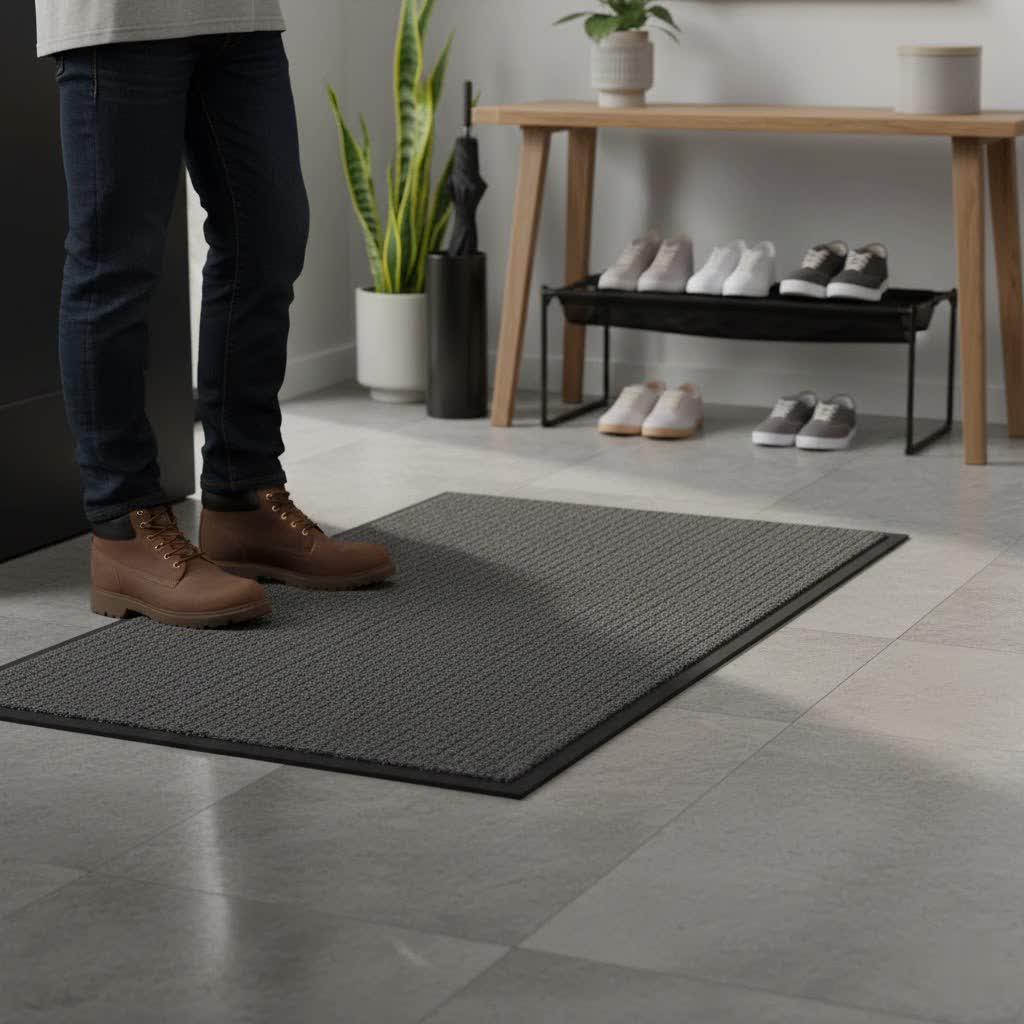
Stepping into your home should always feel like a clean slate, and the right front door mat is your first line of defense against the elements. As an expert with over a decade in the floor mat industry, I’ve seen countless materials, designs, and sizes. When it comes to a large outdoor front door mat, selecting the perfect one is about more than just aesthetics; it’s about unparalleled durability, superior dirt-trapping capabilities, and seamless integration with your home’s exterior. This comprehensive guide will walk you through everything you need to know to make an informed decision, ensuring your entryway remains welcoming and pristine year-round.
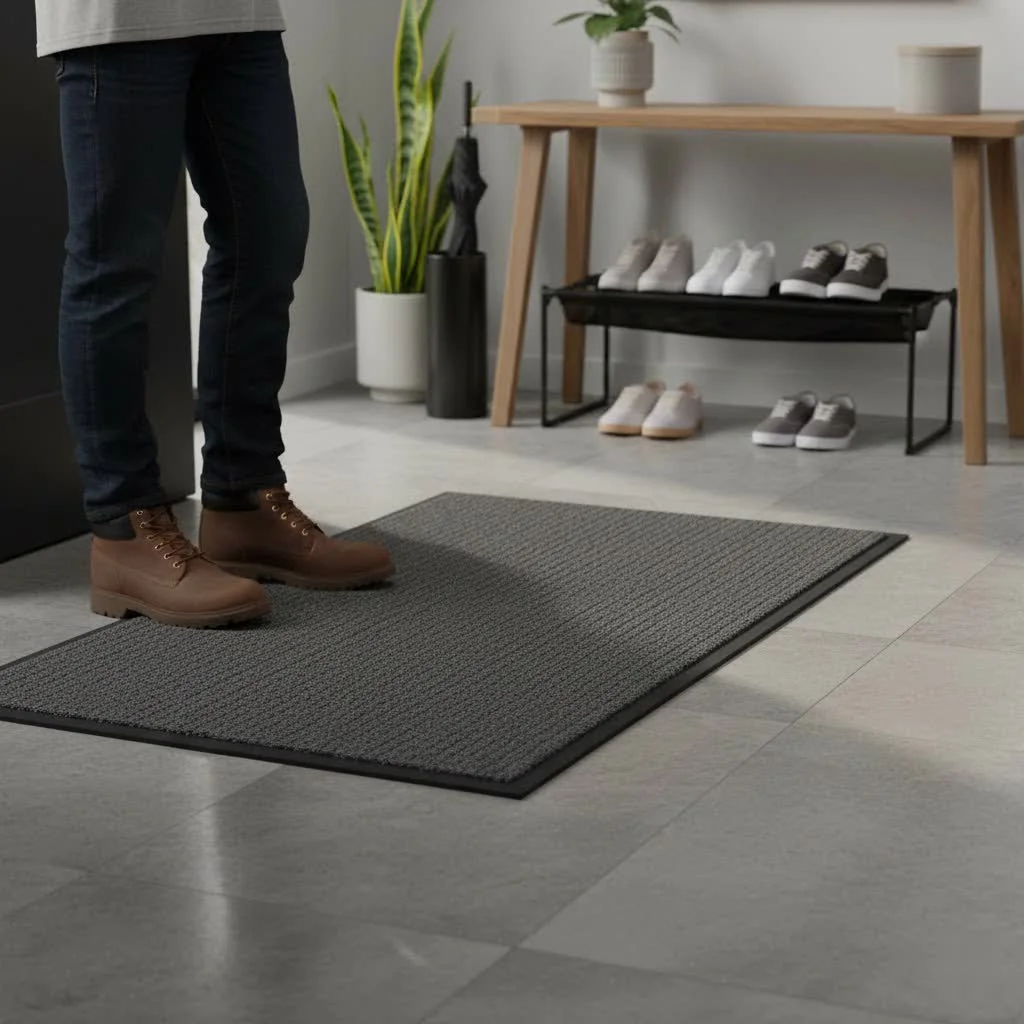
Popular Types of Large Outdoor Front Door Mats
Finding a large outdoor front door mat that can withstand heavy foot traffic, diverse weather conditions, and still look great is crucial. Different materials offer distinct advantages and disadvantages, catering to various needs and environments. Understanding these types is the first step toward making the best choice for your home.
Synthetic Fiber Mats (Polypropylene, Polyester, Waterhog-style)
Synthetic fiber mats, often made from polypropylene or polyester, are engineered for high performance in outdoor settings. These materials are renowned for their resilience and ability to handle various weather conditions.
- Pros: They are highly durable, resistant to fading from UV exposure, and effectively repel mold and mildew. Many synthetic mats are designed to dry quickly, preventing sogginess, and are incredibly easy to clean—often just requiring a hose-down. Their structured fibers excel at scraping dirt and debris from shoes.
- Cons: While highly functional, some synthetic options might lack the natural look preferred by those seeking a more organic aesthetic. High-quality, large synthetic mats can also be a more significant initial investment.
- Best Suited For: High-traffic entryways, homes in areas with diverse or harsh weather (rain, snow, intense sun), and those prioritizing low maintenance and extreme durability.
Natural Fiber Mats (Coir, Jute, Sisal)
Natural fiber mats, predominantly made from coir (coconut husk), offer a classic, earthy appeal that many homeowners love. They are celebrated for their rough texture, ideal for scraping shoes clean.
- Pros: Environmentally friendly and biodegradable, these mats boast excellent scraping ability for dirt and mud. They provide a warm, inviting aesthetic that complements many architectural styles.
- Cons: Natural fibers tend to shed, especially when new, and can absorb a lot of moisture, potentially leading to mold or mildew if not kept in a sheltered area. They can also take longer to dry and may degrade over time when constantly exposed to harsh elements. For optimal longevity, they often require a covered porch or entryway.
- Best Suited For: Sheltered porches, homeowners who prefer natural materials and a traditional look, and those in drier climates or with covered entryways where mats are protected from constant moisture.
Rubber Mats
|
Our Picks for the Best Door Mat in 2026
As an Amazon Associate I earn from qualifying purchases.
|
||
| Num | Product | Action |
|---|---|---|
| 1 | OLANLY Front Door Mat Indoor Outdoor Entrance, Waterproof All-Season, All-Weather Doormat, Sturdy Natural Rubber, Fade Resistant, Low Profile, Easy Clean Patio Porch Entryway Mat, 29.5x17, Dark Brown |

|
| 2 | OLANLY Front Door Mat Indoor Outdoor Entrance, Waterproof All-Season, All-Weather Doormat, Sturdy Natural Rubber, Fade Resistant, Low Profile, Easy Clean Patio Porch Entryway Mat, 29.5x17, Beige |
|
| 3 | OLANLY Front Door Mat Indoor Outdoor Entrance, Waterproof All-Season, All-Weather Doormat, Sturdy Natural Rubber, Fade Resistant, Low Profile, Easy Clean Patio Porch Entryway Mat, 29.5x17, Dark Grey |
|
| 4 | Sturdy Front Door Mat, Absorbent Muddy Dirt Resist Welcome Door Mats Outdoor Indoor, Stain and Fade Resistant, Non-Slip Backing Entry Mat Low Profile Doormat for Entryway, 36×24, Blue |
|
| 5 | OLANLY Front Door Mat Indoor Outdoor Entrance, Waterproof All-Season, All-Weather Doormat, Sturdy Natural Rubber, Fade Resistant, Low Profile, Easy Clean Patio Porch Entryway Mat, 29.5x17, Brown |
|
| 6 | OLANLY Front Door Mat Indoor Outdoor Entrance, Waterproof All-Season, All-Weather Doormat, Sturdy Natural Rubber, Fade Resistant, Low Profile, Easy Clean Patio Porch Entryway Mat, 29.5x17, Black |
|
| 7 | Sturdy Front Door Mat, Absorbent Muddy Dirt Resist Welcome Door Mats Outdoor Indoor, Stain and Fade Resistant, Non-Slip Backing Entry Mat Low Profile Doormat for Entryway, 29×17, Beige |
|
| 8 | OLANLY Front Door Mat Indoor Outdoor Entrance, Waterproof All-Season, All-Weather Doormat, Sturdy Natural Rubber, Fade Resistant, Low Profile, Easy Clean Patio Porch Entryway Mat, 29.5x17, Blue |
|
| 9 | Sturdy Front Door Mat, Absorbent Muddy Dirt Resist Welcome Door Mats Outdoor Indoor, Stain and Fade Resistant, Non-Slip Backing Entry Mat Low Profile Doormat for Entryway, 29×17, Black |
|
| 10 | Sturdy Front Door Mat, Absorbent Muddy Dirt Resist Welcome Door Mats Outdoor Indoor, Stain and Fade Resistant, Non-Slip Backing Entry Mat Low Profile Doormat for Entryway, 29×17, Coffee |
|
Rubber mats are the workhorses of outdoor entryways, prized for their exceptional durability and anti-slip properties. They are often made from recycled rubber, making them an eco-conscious choice.
- Pros: Extremely hard-wearing, these mats can endure heavy foot traffic and extreme weather without cracking or losing their form. Their inherent weight and textured backing provide superior grip, preventing slips and slides. Rubber mats are also very easy to clean—just hose them off—and are inherently resistant to mold and mildew.
- Cons: They typically offer fewer design and color options compared to synthetic or coir mats, often coming in utilitarian patterns. Some new rubber mats might have a distinct odor initially. They can also be quite heavy, making them cumbersome to move for cleaning.
- Best Suited For: Areas requiring maximum safety (e.g., preventing slips), very high-traffic entrances, and homes in excessively rainy or muddy environments.
Heavy-Duty or Metal-Frame Mats
While less common for purely residential front doors, heavy-duty mats, sometimes incorporating metal frames or very dense, rigid materials, are built for extreme conditions and commercial-grade use. For a truly robust residential option, look for designs that blend durable rubber with rigid scraping elements.
- Pros: Unmatched durability and longevity, capable of handling industrial-level traffic and severe weather. They often feature aggressive scraping surfaces to remove stubborn debris.
- Cons: Generally more expensive, heavier, and with a more industrial aesthetic that might not suit all home styles. They can be less comfortable underfoot than other options.
- Best Suited For: Homes with extremely high foot traffic, commercial-style entrances, or those seeking the absolute maximum in durability and debris removal.
Comparison Table: Choosing Your Large Outdoor Front Door Mat
| Mat Type | Pros | Cons | Best Suited For |
|---|---|---|---|
| Synthetic | Durable, UV-resistant, mold/mildew resistant, quick-drying, easy to clean, excellent dirt trapping. | Can be more expensive, less “natural” aesthetic. | High-traffic, all-weather exposure, low maintenance. |
| Natural Fiber | Eco-friendly, great scraping, natural look, classic charm. | Sheds, can rot/mold if always wet, takes longer to dry, harder to deep clean. | Sheltered porches, dry climates, traditional aesthetics, moderate traffic. |
| Rubber | Extremely durable, non-slip, weather-resistant, easy to clean, mold/mildew resistant. | Limited design options, heavy, initial odor possible. | High-traffic, safety-critical areas, very wet/muddy conditions. |
| Heavy-Duty | Exceptional longevity, robust scraping, withstands extreme conditions. | High cost, very heavy, industrial aesthetic, potentially less comfortable underfoot. | Extreme traffic, severe weather challenges, commercial-style residential entrances. |
Your Essential Buying Guide for a Large Outdoor Front Door Mat
Selecting the ideal large outdoor front door mat requires thoughtful consideration of several factors. A well-chosen mat not only enhances your home’s curb appeal but also significantly reduces the amount of dirt and moisture tracked indoors.
1. Determine Your Usage Needs
Before anything else, consider where the mat will be placed and what challenges it needs to overcome. Is your entryway exposed to direct rain, snow, and sun, or is it a sheltered porch? How many people (and pets!) use this entrance daily?
- Location: For fully exposed areas, weather-resistant materials like rubber or high-quality synthetics are crucial. Sheltered entries offer more flexibility, allowing for natural fibers.
- Traffic Level: A busy household demands a highly durable, heavy-duty mat that can withstand constant foot traffic. Lighter traffic might allow for more decorative, less industrial options.
- Primary Purpose: Is your main goal to scrape off mud, absorb moisture, add aesthetic appeal, or primarily prevent slips? Some mats excel at one function more than others.
2. Choose the Right Material
As detailed above, material is paramount for an outdoor mat.
- For maximum weather resistance and durability: Opt for synthetic fibers (like polypropylene or polyester) or solid rubber. These materials resist fading, mold, and breakdown from moisture.
- For natural charm and excellent scraping: Coir is a fantastic choice, especially if your entryway is covered. Ensure it has a rubber backing for stability.
- For non-slip safety: Rubber mats are unparalleled, offering excellent grip even in wet conditions.
“The longevity and performance of your outdoor mat hinge entirely on its material. Invest in quality that matches your climate and traffic.” – Sarah Chen, Exterior Design Specialist
3. Select the Optimal Size and Shape
The term “large” for a front door mat implies it should visually balance your entryway and provide ample surface for cleaning shoes. A common guideline is that the mat should be at least as wide as your front door, or slightly wider, especially if you have sidelights.
- Standard Door (36 inches wide): Look for mats that are at least 30-36 inches wide and 48-60 inches long to provide adequate coverage.
- Double Doors or Doors with Sidelights: Consider extra-large mats (e.g., 36×72 inches or 30×60 inches) to ensure the mat extends across the entire opening, allowing guests sufficient space to wipe their feet.
- Door Clearance: Always measure the clearance between the bottom of your door and the ground to ensure the mat’s thickness won’t obstruct the door’s opening and closing. Low-profile mats are excellent for tight clearances.
4. Consider Color and Design
Your mat is a significant part of your home’s curb appeal. The color and design should complement your home’s exterior, rather than clash with it.
- Color: Earthy tones (grays, browns, greens) are popular for their ability to hide dirt and blend seamlessly. Vibrant colors can add a pop of personality but may show dirt more readily.
- Pattern: Simple geometric patterns, textures, or even subtle greetings can enhance your entryway without being overwhelming. Avoid overly intricate designs that might trap debris or look dated quickly.
5. Evaluate Price and Brand Reputation
While it’s tempting to opt for the cheapest option, a high-quality large outdoor front door mat is an investment in cleanliness and safety.
- Price vs. Durability: Generally, higher-quality materials and construction equate to better durability and longevity. Expect to pay more for weather-resistant, heavy-duty, or custom-sized options.
- Brand Reputation: Research brands known for their outdoor mat quality. Customer reviews and expert recommendations can provide insights into real-world performance. Many well-regarded brands specialize in “Waterhog” style mats or durable rubber options.
“A cheap mat can often mean double the work and cost in the long run. Prioritize quality materials that are designed for outdoor challenges.” – Mark Johnson, Home Maintenance Expert
Top Choices for Large Outdoor Front Door Mats
Based on extensive experience and common user needs, certain types of large outdoor front door mats consistently stand out for their performance and value.
Heavy-Duty Waterhog-Style Mats
These mats, often made from recycled plastic or polypropylene with a rubber backing, are celebrated for their ability to trap vast amounts of dirt and moisture. Their unique waffle or ridged patterns effectively scrape shoes clean and hold onto debris. They are incredibly durable, weather-resistant, and ideal for any climate, offering a balance of function and longevity.
Durable Coir & Rubber Blend Mats
For those who love the natural look of coir but need enhanced durability and non-slip properties, a coir mat with a heavy-duty rubber backing is an excellent compromise. The coir provides superior scraping, while the rubber base keeps the mat firmly in place and offers added resistance to moisture and wear. These often come in larger sizes and attractive designs.
All-Rubber Scraper Mats
When extreme weather resistance and maximum non-slip safety are paramount, robust all-rubber scraper mats are the go-to choice. Their deep grooves and textured surfaces are designed to aggressively clean shoes, while the solid rubber construction ensures they remain stable and functional through heavy rain, snow, and mud without absorbing moisture. They are practically indestructible and extremely easy to clean.
Conclusion
Choosing the right large outdoor front door mat is a simple yet impactful decision that significantly affects your home’s cleanliness, safety, and curb appeal. By considering your specific needs—from exposure to the elements and foot traffic to desired aesthetics and ease of maintenance—you can select a mat that not only welcomes guests but also acts as a steadfast guardian against the outdoor world. Remember, investing in a quality, appropriately sized mat from durable materials like synthetic fibers, robust rubber, or well-backed coir will serve your home reliably for years to come. What kind of first impression do you want your front door to make?
Frequently Asked Questions
How large should a front door mat be for a double door?
For double doors, your mat should ideally span the entire width of both doors, plus a few inches on either side for a balanced look and maximum utility. This often translates to mats 60 inches or more in length.
Are coir mats suitable for exposed outdoor use?
While coir mats are excellent scrapers, they are generally best suited for sheltered outdoor use, such as under a covered porch. Direct and prolonged exposure to rain and sun can cause them to shed excessively, grow mold, and degrade more quickly.
How often should I clean my large outdoor front door mat?
For optimal performance and appearance, shake out loose dirt from your large outdoor mat weekly. Depending on traffic and weather, a more thorough cleaning, such as hosing it down or scrubbing with mild soap, should be done monthly or as needed.
What features make an outdoor mat weather-resistant?
Weather-resistant outdoor mats typically feature synthetic materials like polypropylene or recycled rubber, which are naturally impervious to water and resist mold, mildew, and UV fading. A good drainage design or quick-drying properties also contribute to weather resistance.
Can a large outdoor mat help prevent slips?
Absolutely. Many large outdoor mats, especially those made of rubber or heavy-duty synthetic materials with non-slip backings, are specifically designed to provide traction and stability, significantly reducing the risk of slips and falls, particularly in wet or icy conditions.
Get our weekly buyer guide
Practical specs, not advice. Unsubscribe anytime.
