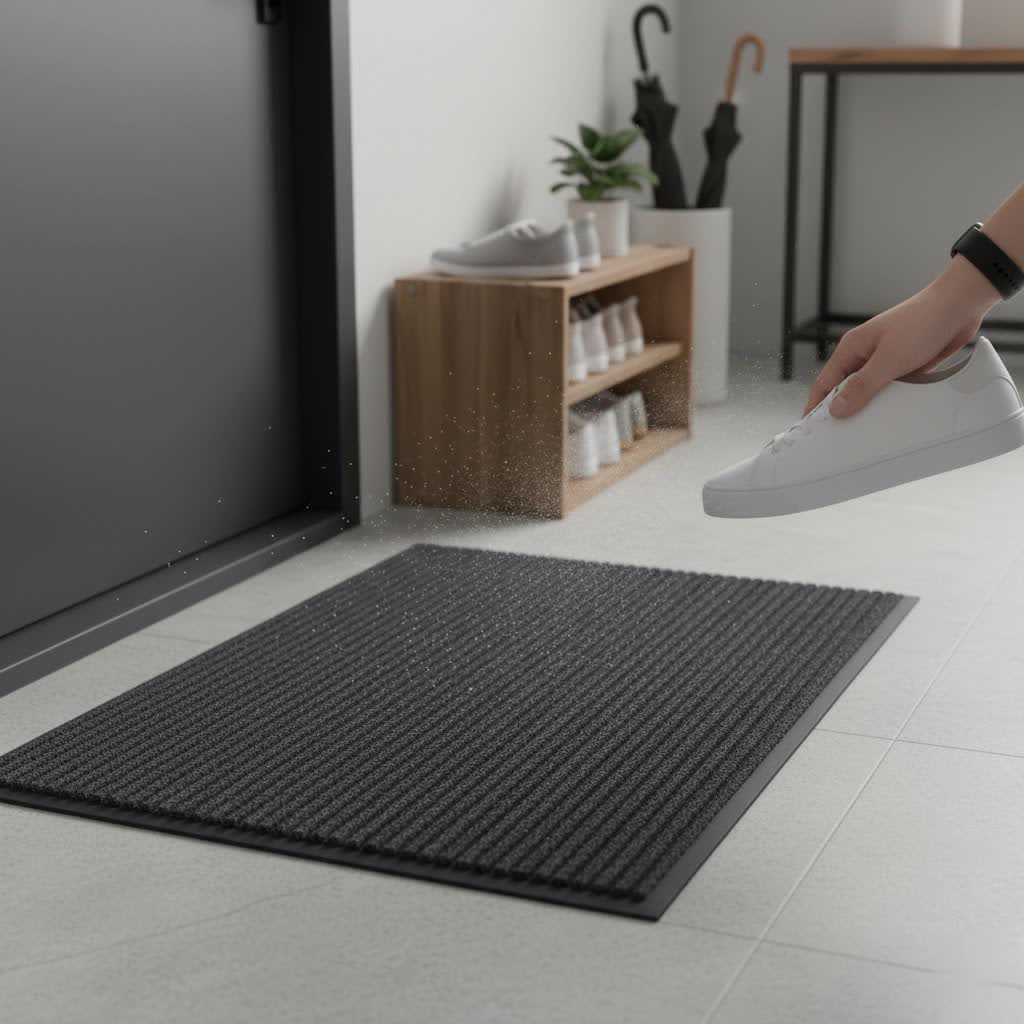
Is your home the ultimate fan zone? Do you live and breathe baseball, feeling a special connection to the diamond? Then a home plate door mat isn’t just a welcome mat; it’s a statement. As an expert with over a decade in the floor mat industry, I’ve seen countless materials, designs, and innovations. Today, we’re stepping up to the plate to discuss these unique and spirited door mats, perfect for any baseball enthusiast. We’ll explore the different types, their benefits, and how to choose the best one to bring that stadium energy right to your front door.
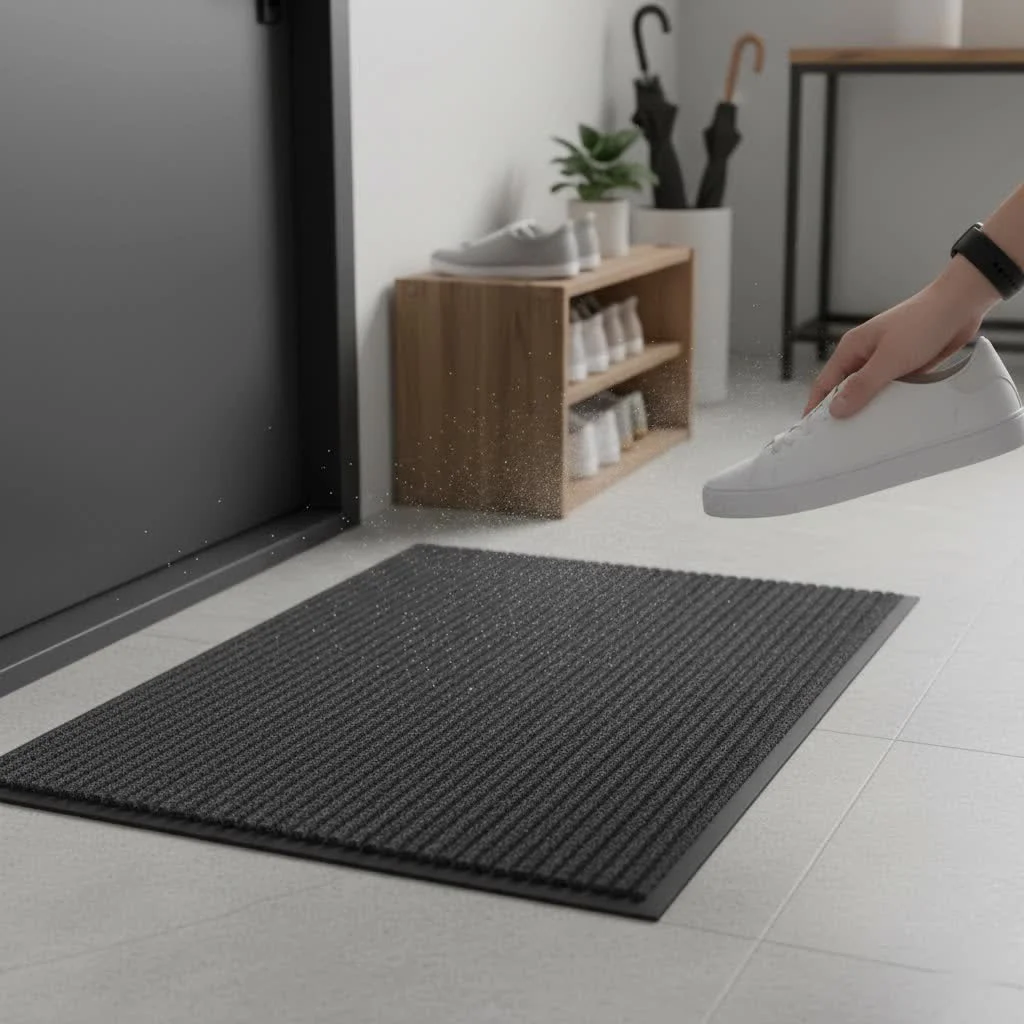
Popular Types of Home Plate Door Mats
Home plate door mats capture the spirit of baseball in their iconic shape, but their functionality and longevity depend heavily on the materials used. Understanding the common types helps you choose one that not only looks great but also performs well under pressure, just like a seasoned player.
Natural Fiber Home Plate Mats (Coir)
These mats are often crafted from coir, a robust fiber extracted from coconut husks. Coir is a fantastic choice for an outdoor home plate door mat due to its naturally coarse texture, which excels at scraping dirt and debris from shoes.
- Advantages: Environmentally friendly, excellent scraping capabilities for dirt and mud, durable, and weather-resistant. Many feature charming phrases like “No Plate Like Home.”
- Disadvantages: Can experience initial shedding of fibers. Over prolonged exposure to harsh elements, the printed design may fade. They can also be harder to deep clean compared to synthetic options.
Synthetic Fiber Home Plate Mats (Polyester)
For those seeking vibrant graphics and easy maintenance, synthetic fiber home plate mats, often made from polyester, are a popular option. These mats typically feature a soft, absorbent top layer.
- Advantages: Super absorbent, effectively trapping moisture and finer dirt. They are generally easy to clean and maintain, often just requiring a shake or hose-down. Synthetic fibers allow for highly detailed and colorful designs, perfect for showcasing team pride.
- Disadvantages: While good at absorbing, they might not offer the same heavy-duty scraping power as coir. Durability can vary, and some thinner synthetic mats may not withstand extremely heavy foot traffic as well as thicker natural fiber options.
Rubber-Backed Home Plate Mats
Regardless of whether the top surface is natural coir or synthetic polyester, many quality home plate door mats incorporate a rubber or vinyl backing. This crucial feature enhances the mat’s performance and safety.
- Advantages: Provides excellent anti-slip properties, keeping the mat securely in place even on wet or slick surfaces. The backing also prevents trapped water underneath from deteriorating the mat and can help reduce shedding, particularly with coir mats. Rubber is highly durable, weather-resistant, and can withstand various environmental conditions.
- Disadvantages: Rubber can have a distinct odor when new. In very cold climates, some types of rubber may become less flexible or even crack, though this is less common with modern formulations.
Comparison Table: Home Plate Door Mat Materials
Choosing the right material means balancing aesthetics with practical considerations like durability, cleaning, and performance.
| Type of Mat | Advantages | Disadvantages | Best Suited For |
|---|---|---|---|
| Natural Fiber (Coir) | Eco-friendly, excellent dirt scraping, durable, weather-resistant | Initial shedding, designs may fade, harder to deep clean | Outdoor entryways, heavy foot traffic, natural aesthetic lovers |
| Synthetic Fiber (Polyester) | Highly absorbent, easy to clean, vibrant designs, soft underfoot | Less effective at scraping heavy mud, durability varies | Indoor/covered outdoor entry, lighter traffic, detailed graphics |
| Rubber-Backed | Non-slip safety, prevents deterioration, adds durability to top layers | Can have initial odor, some rubber types less flexible in extreme cold | All home plate mats (as a backing), high safety requirement areas |
“The right doormat isn’t just about welcoming guests; it’s about protecting your home’s interior and expressing your unique personality from the very first step.” – ReviewFindr.com Admin, Door Mat Specialist
Your Ultimate Buying Guide to Home Plate Door Mats
Selecting the perfect home plate door mat involves more than just picking a design; it’s about finding the right balance of function, durability, and style to suit your specific needs. Here’s how to hit a home run with your choice.
1. Determine Your Usage Needs
|
Our Picks for the Best Door Mat in 2026
As an Amazon Associate I earn from qualifying purchases.
|
||
| Num | Product | Action |
|---|---|---|
| 1 | Sturdy Front Door Mat, Absorbent Muddy Dirt Resist Welcome Door Mats Outdoor Indoor, Stain and Fade Resistant, Non-Slip Backing Entry Mat Low Profile Doormat for Entryway, 29×17, Coffee |

|
| 2 | OLANLY Front Door Mat Indoor Outdoor Entrance, Waterproof All-Season, All-Weather Doormat, Sturdy Natural Rubber, Fade Resistant, Low Profile, Easy Clean Patio Porch Entryway Mat, 29.5x17, Blue |
|
| 3 | OLANLY Front Door Mat Indoor Outdoor Entrance, Waterproof All-Season, All-Weather Doormat, Sturdy Natural Rubber, Fade Resistant, Low Profile, Easy Clean Patio Porch Entryway Mat, 29.5x17, Black |
|
| 4 | Sturdy Front Door Mat, Absorbent Muddy Dirt Resist Welcome Door Mats Outdoor Indoor, Stain and Fade Resistant, Non-Slip Backing Entry Mat Low Profile Doormat for Entryway, 36×24, Blue |
|
| 5 | OLANLY Front Door Mat Indoor Outdoor Entrance, Waterproof All-Season, All-Weather Doormat, Sturdy Natural Rubber, Fade Resistant, Low Profile, Easy Clean Patio Porch Entryway Mat, 29.5x17, Dark Grey |
|
| 6 | Sturdy Front Door Mat, Absorbent Muddy Dirt Resist Welcome Door Mats Outdoor Indoor, Stain and Fade Resistant, Non-Slip Backing Entry Mat Low Profile Doormat for Entryway, 29×17, Black |
|
| 7 | OLANLY Front Door Mat Indoor Outdoor Entrance, Waterproof All-Season, All-Weather Doormat, Sturdy Natural Rubber, Fade Resistant, Low Profile, Easy Clean Patio Porch Entryway Mat, 29.5x17, Brown |
|
| 8 | OLANLY Front Door Mat Indoor Outdoor Entrance, Waterproof All-Season, All-Weather Doormat, Sturdy Natural Rubber, Fade Resistant, Low Profile, Easy Clean Patio Porch Entryway Mat, 29.5x17, Beige |
|
| 9 | Sturdy Front Door Mat, Absorbent Muddy Dirt Resist Welcome Door Mats Outdoor Indoor, Stain and Fade Resistant, Non-Slip Backing Entry Mat Low Profile Doormat for Entryway, 29×17, Beige |
|
| 10 | OLANLY Front Door Mat Indoor Outdoor Entrance, Waterproof All-Season, All-Weather Doormat, Sturdy Natural Rubber, Fade Resistant, Low Profile, Easy Clean Patio Porch Entryway Mat, 29.5x17, Dark Brown |
|
Where will your home plate door mat be positioned? This is the fundamental question that guides all other choices.
- Location: Is it for the main entryway, a patio door, or perhaps an indoor space like a “man cave” or game room? Outdoor mats need to be more robust and weather-resistant.
- Foot Traffic: How many people (and pets!) will be crossing it daily? High-traffic areas demand more durable materials that can withstand constant wear and tear.
- Primary Purpose: Is it purely decorative, or do you need it to effectively scrape dirt and absorb moisture? A purely decorative mat can afford to be more delicate, while a functional one needs performance.
2. Choose the Right Material
Based on your usage, align your choice with the material’s inherent strengths and weaknesses.
- For heavy-duty dirt and mud: Opt for natural coir. Its coarse fibers are exceptionally good at trapping debris. Look for coir mats with a thick, robust pile for maximum effectiveness.
- For moisture absorption and vibrant graphics: Polyester mats excel here, especially for covered areas or indoors where you want to absorb water from shoes and display intricate team logos or sayings.
- For optimal safety and longevity: Always prioritize mats with a rubber or vinyl backing. This ensures the mat stays put, preventing slips and protecting your floors, while also enhancing the mat’s overall lifespan by preventing water damage from underneath.
3. Consider Size and Thickness
The dimensions of your home plate door mat should be practical and aesthetically pleasing.
- Size: Ensure the mat is wide enough for both feet to land comfortably when wiping shoes. A standard home plate door mat is typically around 18×30 inches, but larger options are available for wider doorways or double doors. It should cover at least three-quarters of your doorway’s width.
- Thickness: The mat’s thickness should not impede the opening and closing of your door. Measure the clearance under your door to avoid any obstruction. A thicker mat often means more scraping power, but check your door’s swing.
4. Pay Attention to Color and Design
The home plate shape itself is a strong design element. Consider how the colors and any additional graphics will integrate with your home’s exterior or interior decor.
- Color Scheme: Choose colors that complement your home’s facade or interior palette. Many home plate mats come in classic white with red stitching, but custom colors or team-specific designs are also available.
- Graphics and Sayings: Beyond the iconic shape, many mats feature fun baseball-themed sayings like “There’s No Plate Like Home” or “Welcome to Our Dugout.” Pick one that reflects your personality and passion for the game. Remember that darker colors or busier patterns can help to camouflage dirt between cleanings.
5. Review Price and Brand Reputation
Investing in a quality door mat means it will last longer and perform better.
- Compare Prices: Research different retailers and brands. While it’s tempting to go for the cheapest option, a slightly higher investment often translates to better materials and construction.
- Brand Reputation: Look for brands known for durable and well-made doormats. Check customer reviews for feedback on shedding, fading, and overall longevity.
Top Picks for Home Plate Door Mats
While specific product availability can change, here are examples of popular types and features you’ll find when searching for the perfect home plate door mat:
“No Plate Like Home” Coir Mat
This classic design typically features a durable coir construction with a bold “No Plate Like Home” graphic, often in black or red. Its excellent scraping power makes it ideal for busy entryways, ensuring dirt stays outside where it belongs.
Personalized Synthetic Home Plate Mat
For a truly unique touch, personalized options allow you to add your family name or a custom message to a vibrant, weather-resistant polyester mat. These are often backed with non-slip rubber, combining personal flair with practical function.
Heavy-Duty Rubber Home Plate Mat
Designed for ultimate durability and grip, these mats are often made primarily of robust rubber, sometimes with a textured surface for extra scraping. They’re perfect for high-traffic outdoor areas, offering superior weather resistance and non-slip performance year-round.
Conclusion
A home plate door mat is more than just a functional item; it’s a celebration of America’s favorite pastime and a warm welcome to your personal fan zone. By carefully considering the material, its intended use, and the aesthetic appeal, you can choose a mat that not only keeps your home cleaner but also proudly showcases your passion for baseball. From the tough, scraping power of coir to the vibrant, absorbent qualities of synthetic fibers, each option brings unique advantages to your doorstep. Make sure to pick one with a reliable non-slip backing for safety and longevity.
So, are you ready to score big with your entryway’s first impression?
Get our weekly buyer guide
Practical specs, not advice. Unsubscribe anytime.
