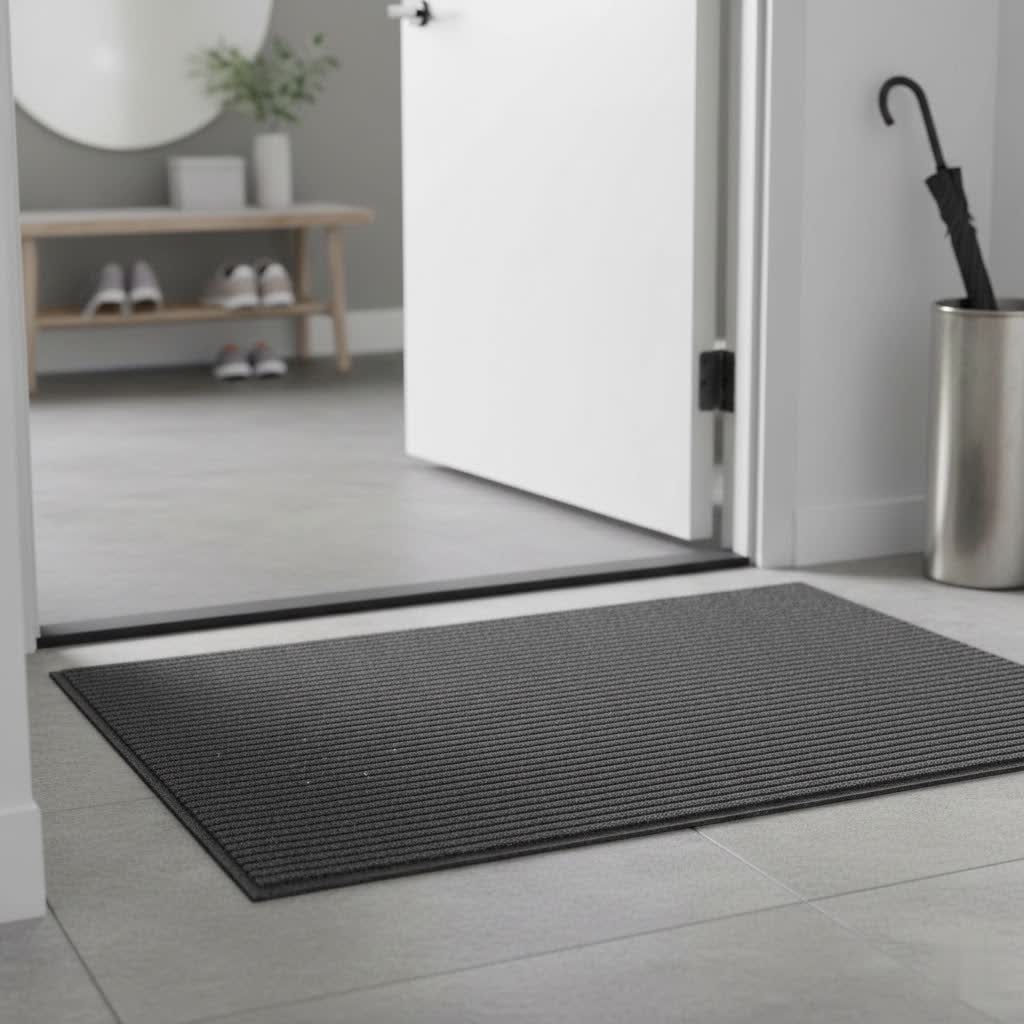
The journey into your home begins at the door, and the right interior door mat isn’t just a decorative accent—it’s your first line of defense against dirt, moisture, and wear. As an expert with over a decade in the floor mat industry, I’ve seen countless materials, sizes, and technologies. I understand the nuances of each type and am here to share that honest, easy-to-understand knowledge. Join me as we explore the world of interior door mats to find the best fit for your space, ensuring your home stays cleaner, safer, and more stylish.
Common Types of Interior Door Mats
Understanding the variety of materials available is the first step in selecting an interior door mat that truly meets your needs. Each type offers a unique blend of benefits and drawbacks, impacting its performance, durability, and aesthetic appeal within your home.
Synthetic Fiber Door Mats
Synthetic mats, typically made from materials like nylon, polypropylene, or polyester, are a popular choice due to their versatility and practicality. These mats excel in trapping dirt and absorbing moisture, making them effective barriers for busy entryways. Their fibers are designed to withstand regular foot traffic and resist staining.
- Pros: Generally affordable, easy to clean (many are machine washable), and available in an extensive range of colors, patterns, and sizes to match any decor.
- Cons: Can be less durable than natural fibers or rubber in the long run, and their absorbency, while good, may not be as high as some natural options like cotton for heavy moisture.
Natural Fiber Door Mats (Coir, Cotton, Jute)
For those who prioritize eco-friendliness and a rustic aesthetic, natural fiber mats are an excellent option. Coir mats, made from coconut husks, are renowned for their coarse, abrasive texture, which is highly effective at scraping dirt and debris from shoes. Cotton mats, conversely, are exceptional at absorbing moisture, making them ideal for areas where wet shoes are common.
- Pros: Environmentally friendly and biodegradable. Coir offers superior scraping ability, while cotton provides excellent absorbency. They bring a natural, warm feel to any interior.
- Cons: Coir can shed fibers initially and may not be as soft underfoot; cotton can take longer to dry and may be prone to mildew or mold in consistently damp environments if not properly maintained. Jute mats can also be difficult to clean and may not stand up to heavy moisture.
Rubber-Backed Fabric Door Mats
While pure rubber mats are often relegated to outdoor or industrial use, rubber-backed fabric mats combine the best of both worlds for interiors. These mats feature a fabric top (often synthetic or cotton) fused with a durable rubber backing, offering significant functional advantages. The rubber base provides stability and prevents the mat from shifting, a crucial safety feature.
- Pros: Extremely durable and long-lasting, with excellent anti-slip properties that make them safe for all types of flooring. The rubber backing also prevents moisture from seeping through to the floor beneath. Many are easy to clean, often just requiring a shake, vacuum, or wipe.
- Cons: Can sometimes be heavier and less aesthetically diverse than purely fabric mats. Depending on the material, some may initially emit a slight rubber odor, though this usually dissipates quickly.
Aluminum Mat Systems
|
Our Picks for the Best Door Mat in 2026
As an Amazon Associate I earn from qualifying purchases.
|
||
| Num | Product | Action |
|---|---|---|
| 1 | Sturdy Front Door Mat, Absorbent Muddy Dirt Resist Welcome Door Mats Outdoor Indoor, Stain and Fade Resistant, Non-Slip Backing Entry Mat Low Profile Doormat for Entryway, 29×17, Beige |

|
| 2 | OLANLY Front Door Mat Indoor Outdoor Entrance, Waterproof All-Season, All-Weather Doormat, Sturdy Natural Rubber, Fade Resistant, Low Profile, Easy Clean Patio Porch Entryway Mat, 29.5x17, Dark Grey |
|
| 3 | OLANLY Front Door Mat Indoor Outdoor Entrance, Waterproof All-Season, All-Weather Doormat, Sturdy Natural Rubber, Fade Resistant, Low Profile, Easy Clean Patio Porch Entryway Mat, 29.5x17, Blue |
|
| 4 | Sturdy Front Door Mat, Absorbent Muddy Dirt Resist Welcome Door Mats Outdoor Indoor, Stain and Fade Resistant, Non-Slip Backing Entry Mat Low Profile Doormat for Entryway, 29×17, Black |
|
| 5 | Sturdy Front Door Mat, Absorbent Muddy Dirt Resist Welcome Door Mats Outdoor Indoor, Stain and Fade Resistant, Non-Slip Backing Entry Mat Low Profile Doormat for Entryway, 36×24, Blue |
|
| 6 | OLANLY Front Door Mat Indoor Outdoor Entrance, Waterproof All-Season, All-Weather Doormat, Sturdy Natural Rubber, Fade Resistant, Low Profile, Easy Clean Patio Porch Entryway Mat, 29.5x17, Black |
|
| 7 | OLANLY Front Door Mat Indoor Outdoor Entrance, Waterproof All-Season, All-Weather Doormat, Sturdy Natural Rubber, Fade Resistant, Low Profile, Easy Clean Patio Porch Entryway Mat, 29.5x17, Dark Brown |
|
| 8 | OLANLY Front Door Mat Indoor Outdoor Entrance, Waterproof All-Season, All-Weather Doormat, Sturdy Natural Rubber, Fade Resistant, Low Profile, Easy Clean Patio Porch Entryway Mat, 29.5x17, Brown |
|
| 9 | OLANLY Front Door Mat Indoor Outdoor Entrance, Waterproof All-Season, All-Weather Doormat, Sturdy Natural Rubber, Fade Resistant, Low Profile, Easy Clean Patio Porch Entryway Mat, 29.5x17, Beige |
|
| 10 | Sturdy Front Door Mat, Absorbent Muddy Dirt Resist Welcome Door Mats Outdoor Indoor, Stain and Fade Resistant, Non-Slip Backing Entry Mat Low Profile Doormat for Entryway, 29×17, Coffee |
|
Aluminum mat systems represent a more robust and often luxurious solution for high-traffic or grand interior entryways, typically found in commercial buildings or upscale residences. These systems consist of interlocking aluminum profiles interspersed with fabric inserts, rubber strips, or brushes. They are designed to provide superior scraping and absorbing capabilities, while also offering a distinct, modern aesthetic.
- Pros: Exceptional durability and longevity, capable of handling extremely high foot traffic. They offer a sophisticated, architectural look and are very easy to clean and maintain, often allowing dirt to fall through to a recess beneath.
- Cons: Significantly higher cost compared to other mat types, making them a premium investment. Their industrial-chic aesthetic may not suit all interior design styles, and installation can be more involved.
Comparison Table of Interior Door Mats
Choosing the right interior door mat involves weighing the specific attributes of each type against your household’s needs and aesthetic preferences. This table offers a quick overview to guide your decision.
| Mat Type | Pros | Cons | Best Suited For |
|---|---|---|---|
| Synthetic Fiber | Affordable, easy to clean, diverse designs | Less durable for heavy use, moderate absorbency | Low-to-medium traffic areas, budget-conscious, style versatility |
| Natural Fiber (Coir, Cotton, Jute) | Eco-friendly, excellent scraping (coir) or absorbency (cotton) | Can shed, harder to clean, prone to moisture issues (cotton/jute) | Dry areas, natural aesthetics, light-to-medium traffic |
| Rubber-Backed Fabric | Durable, excellent anti-slip, protects floors | Fewer purely decorative options, potential initial odor | Wet or high-traffic areas, safety-focused, all floor types |
| Aluminum System | Luxurious, extremely durable, easy to clean, high-end look | High cost, specific aesthetic, often requires recess | Grand entryways, commercial interiors, heavy traffic |
Buying Guide: How to Choose Your Interior Door Mat
Selecting the perfect interior door mat goes beyond just picking a pretty pattern. It involves a thoughtful assessment of your specific environment and requirements. Follow these steps to make an informed decision that enhances both the function and style of your home.
Determine Usage Needs
Before anything else, consider where the mat will be placed and what purpose it needs to serve. An interior door mat’s effectiveness is largely dependent on its intended use.
- Placement: Is it for the main entrance, a bathroom door, a hallway, or perhaps a kitchen? Each location has different demands regarding moisture, dirt, and foot traffic.
- Traffic Level: Will the mat be in a high-traffic area (e.g., front door with many visitors) or a low-traffic zone (e.g., guest room)? This impacts the required durability and material choice.
- Purpose: Do you primarily need it to trap dirt, absorb moisture, prevent slips, or is its main role decorative? Many mats offer a combination of these, but identifying the primary purpose helps narrow your options.
Select the Right Material
Armed with your usage needs, revisit the pros and cons of each material type discussed earlier. The material is the heart of the mat’s performance.
- Consider the specific challenges of your space. For instance, a cotton mat is excellent for absorbing water near a bathroom, but a rubber-backed synthetic might be better for a high-traffic kitchen entrance.
- Always prioritize materials that are safe for your household, especially if you have pets or children. Look for non-toxic, hypoallergenic options if sensitivities are a concern.
Choose Size and Shape
The right size and shape are crucial for both functionality and aesthetics. An ill-fitting mat can look awkward or fail to cover the necessary area.
- Size: Measure the width of your doorway and the available space. A good rule of thumb is for the mat to be at least 80% as wide as the door frame, or ideally, the same width. For depth, ensure it allows the door to open freely without catching.
- Shape: While rectangular is most common, consider round, oval, or even custom shapes to complement your room’s layout or add a unique touch.
Consider Color and Pattern
The visual aspect of your interior door mat significantly impacts your home’s decor. It’s an opportunity to express your style.
- Color: Choose colors that harmonize with your existing flooring, wall colors, and furniture. Neutral tones offer versatility, while a pop of color can add personality.
- Pattern: Simple, subtle patterns can blend seamlessly, while bold, intricate designs can make a statement. Consider patterns that can effectively hide dirt between cleanings.
Research Prices and Brands
Quality and price can vary widely. Investing in a good mat often pays off in durability and performance.
- Compare Prices: Shop around online and in stores. A higher price often indicates better materials and craftsmanship, but deals can be found.
- Choose Reputable Brands: Brands known for quality and customer satisfaction are usually a safer bet. Reading reviews can provide insights into a mat’s real-world performance and durability.
“A common mistake homeowners make is underestimating the power of a well-chosen interior door mat. It’s not just about dirt; it’s about extending the life of your floors and enhancing your home’s welcome.” – Dr. Eleanor Vance, Home Care & Design Consultant
Top Picks: Popular Interior Door Mat Models
Based on general characteristics that make interior door mats effective and beloved by homeowners, here are examples of styles that often receive high marks for performance and aesthetic appeal.
The “EverClean” Microfiber Absorbent Mat – Exceptional dirt trapping and machine washable for effortless maintenance.
This synthetic microfiber mat is a favorite for its ability to aggressively capture dirt and absorb moisture from shoes, keeping your floors remarkably cleaner. Its plush, yet durable, surface feels soft underfoot, and the added benefit of being machine washable makes it incredibly convenient for busy households.
“Nature’s Embrace” Organic Cotton Entry Mat – Soft, highly absorbent, and eco-friendly design perfect for a natural home aesthetic.
For those who value comfort and sustainability, this organic cotton mat is a standout. It boasts superior absorbency, making it ideal for wet boots or muddy paws, and its natural fibers are gentle on floors. The simple, elegant design often features earthy tones, seamlessly blending into a calm, inviting interior.
“SecureStep” Rubber-Backed Geometric Mat – Superior non-slip grip and a modern aesthetic for busy, high-traffic entryways.
Combining robust functionality with contemporary design, the “SecureStep” mat features a durable, low-profile fabric top with a strong rubber backing. Its geometric patterns add a touch of modern flair, while the non-slip base ensures it stays firmly in place, providing safety and stability even in the busiest of household entry points.
Conclusion
Choosing the right interior door mat is a small decision with a significant impact on your home’s cleanliness, safety, and overall aesthetic. From the dirt-trapping prowess of synthetic fibers to the eco-conscious charm of natural materials and the robust durability of rubber-backed or aluminum systems, there’s a perfect mat for every entryway. By considering your specific needs, material properties, and design preferences, you can select a mat that not only protects your floors but also extends a warm, clean welcome to everyone who steps inside. What kind of first impression do you want your interior door mat to make?
Frequently Asked Questions
How often should I clean my interior door mat?
The frequency depends on traffic and use, but generally, vacuuming or shaking it out once or twice a week is recommended. For deeper cleaning, follow the manufacturer’s instructions; many synthetic and cotton mats are machine washable, while others may require spot cleaning or hosing down monthly.
Can indoor door mats damage floors?
Most modern interior door mats are designed with floor safety in mind, especially those with non-slip rubber or latex backings that prevent moisture from seeping through. However, avoid mats with hard, abrasive backings on delicate floors, and always ensure mats are completely dry before placing them back down to prevent moisture-related damage or mildew.
What’s the difference between an indoor and outdoor door mat?
Outdoor mats are typically designed for heavy-duty scraping and weather resistance, often made from robust materials like coir, rubber, or heavy-duty synthetic fibers, and are built to withstand rain, snow, and UV exposure. Interior door mats, conversely, focus more on fine dirt and moisture absorption, comfort, and complementing indoor decor, using softer, more absorbent materials, sometimes with decorative patterns.
Get our weekly buyer guide
Practical specs, not advice. Unsubscribe anytime.
