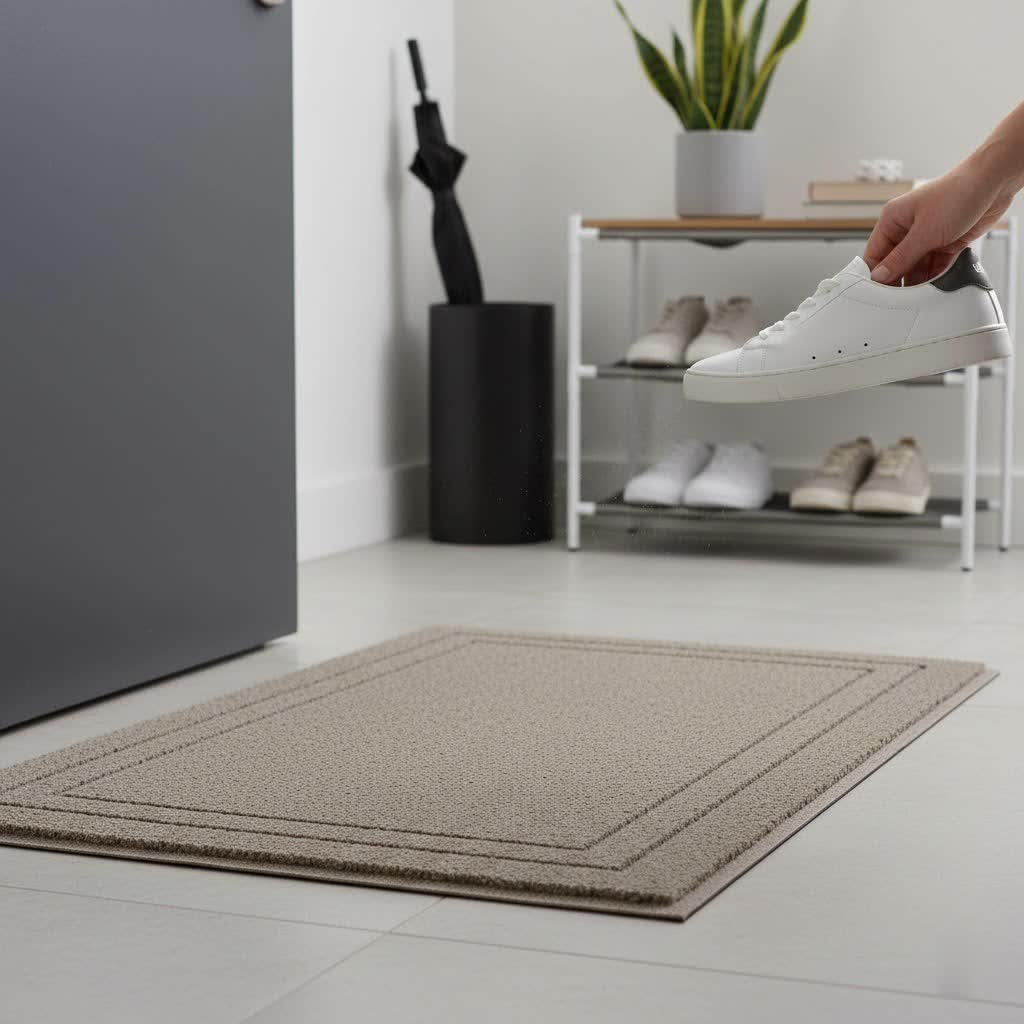
The humble door mat is often an unsung hero, a silent guardian at your threshold, yet its impact on your home’s cleanliness and first impression is immeasurable. While ornate and patterned mats have their place, the simplicity of a plain door mat offers a timeless elegance and unparalleled versatility that complements any decor. This comprehensive guide will navigate you through the world of plain door mats, helping you understand different materials, their unique benefits, and how to select the ideal one to enhance your entryway, protect your floors, and welcome guests with understated sophistication.
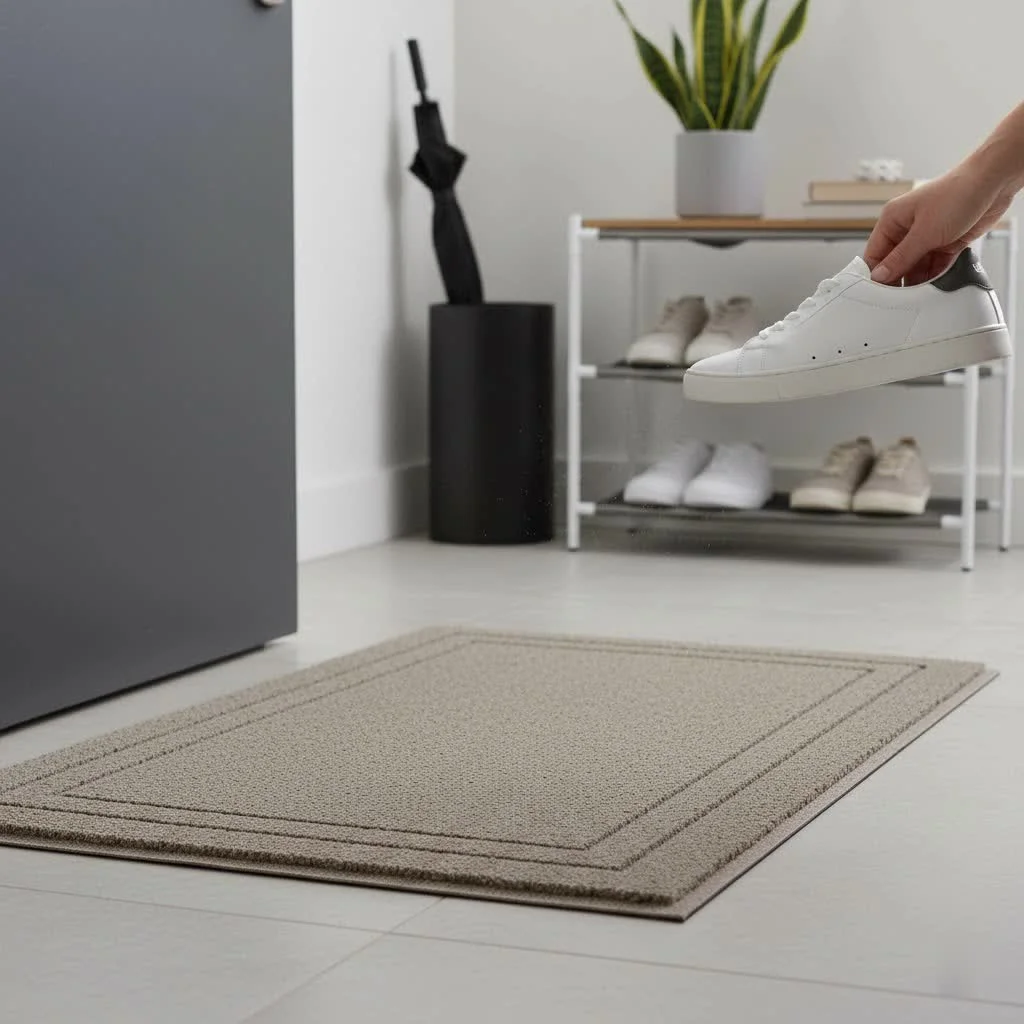
Popular Types of Plain Door Mats
When considering a plain door mat, the choice of material is paramount, as it dictates durability, cleaning ease, and effectiveness. Understanding the various options will help you match the mat to your specific needs and environment.
Synthetic Fiber Door Mats
Synthetic fiber door mats, often made from polypropylene, nylon, or polyester, are a widely popular choice due to their practicality and cost-effectiveness. These mats are engineered for resilience and can withstand considerable foot traffic, making them suitable for busy households or commercial settings.
- Advantages: They are typically very affordable, simple to clean with just a shake or vacuum, and come in a vast array of solid colors and subtle textures, making it easy to find one that seamlessly blends with your existing decor. Many synthetic mats are also designed to be quick-drying, preventing mildew and odors.
- Disadvantages: While durable, they may not offer the same level of absorbency as natural fibers for very wet conditions and can sometimes show signs of wear, such as flattening or matting, in extremely high-traffic areas over time.
Natural Fiber Door Mats (Coir, Cotton)
Natural fiber mats bring a touch of organic warmth and eco-friendliness to your doorstep, with coir and cotton being two prominent examples. Each offers distinct characteristics that cater to different needs and aesthetic preferences.
- Advantages: Coir mats, made from coconut husks, are excellent at scraping dirt, mud, and debris from shoes, thanks to their coarse, bristly texture. They are incredibly durable and inherently resistant to mold and mildew. Cotton mats, on the other hand, are highly absorbent, making them perfect for soaking up moisture in indoor entryways or bathrooms. Both options are biodegradable and offer a classic, natural look.
- Disadvantages: Coir mats can shed fibers, especially when new, and might require more frequent sweeping around them. They can also be difficult to clean deeply if heavily soiled. Cotton mats, while soft and absorbent, can take longer to dry and may be prone to mildew if consistently damp in humid environments.
Rubber Door Mats
|
Our Picks for the Best Door Mat in 2026
As an Amazon Associate I earn from qualifying purchases.
|
||
| Num | Product | Action |
|---|---|---|
| 1 | OLANLY Front Door Mat Indoor Outdoor Entrance, Waterproof All-Season, All-Weather Doormat, Sturdy Natural Rubber, Fade Resistant, Low Profile, Easy Clean Patio Porch Entryway Mat, 29.5x17, Dark Grey |

|
| 2 | OLANLY Front Door Mat Indoor Outdoor Entrance, Waterproof All-Season, All-Weather Doormat, Sturdy Natural Rubber, Fade Resistant, Low Profile, Easy Clean Patio Porch Entryway Mat, 29.5x17, Dark Brown |
|
| 3 | OLANLY Front Door Mat Indoor Outdoor Entrance, Waterproof All-Season, All-Weather Doormat, Sturdy Natural Rubber, Fade Resistant, Low Profile, Easy Clean Patio Porch Entryway Mat, 29.5x17, Black |
|
| 4 | OLANLY Front Door Mat Indoor Outdoor Entrance, Waterproof All-Season, All-Weather Doormat, Sturdy Natural Rubber, Fade Resistant, Low Profile, Easy Clean Patio Porch Entryway Mat, 29.5x17, Brown |
|
| 5 | OLANLY Front Door Mat Indoor Outdoor Entrance, Waterproof All-Season, All-Weather Doormat, Sturdy Natural Rubber, Fade Resistant, Low Profile, Easy Clean Patio Porch Entryway Mat, 29.5x17, Blue |
|
| 6 | Sturdy Front Door Mat, Absorbent Muddy Dirt Resist Welcome Door Mats Outdoor Indoor, Stain and Fade Resistant, Non-Slip Backing Entry Mat Low Profile Doormat for Entryway, 29×17, Black |
|
| 7 | Sturdy Front Door Mat, Absorbent Muddy Dirt Resist Welcome Door Mats Outdoor Indoor, Stain and Fade Resistant, Non-Slip Backing Entry Mat Low Profile Doormat for Entryway, 29×17, Beige |
|
| 8 | Sturdy Front Door Mat, Absorbent Muddy Dirt Resist Welcome Door Mats Outdoor Indoor, Stain and Fade Resistant, Non-Slip Backing Entry Mat Low Profile Doormat for Entryway, 36×24, Blue |
|
| 9 | OLANLY Front Door Mat Indoor Outdoor Entrance, Waterproof All-Season, All-Weather Doormat, Sturdy Natural Rubber, Fade Resistant, Low Profile, Easy Clean Patio Porch Entryway Mat, 29.5x17, Beige |
|
| 10 | Sturdy Front Door Mat, Absorbent Muddy Dirt Resist Welcome Door Mats Outdoor Indoor, Stain and Fade Resistant, Non-Slip Backing Entry Mat Low Profile Doormat for Entryway, 29×17, Coffee |
|
For unmatched durability, weather resistance, and safety, rubber door mats are an excellent plain mat solution. They are heavy-duty workhorses designed to withstand the elements and heavy use.
- Advantages: Rubber mats are incredibly robust, virtually indestructible, and perfect for outdoor use in all weather conditions. Their inherent non-slip properties make them ideal for preventing accidents on wet or slick surfaces, and they are exceptionally easy to clean with a quick rinse from a hose. They won’t absorb water, ensuring quick drying and resistance to mold and mildew.
- Disadvantages: They typically offer fewer aesthetic variations beyond their functional design and may have a distinct rubber odor, especially when new, which usually dissipates over time. They are also less effective at absorbing moisture compared to fiber mats.
Aluminum Entrance Mats
While not a traditional “mat” in the soft sense, aluminum entrance systems are a sophisticated and highly durable solution for high-traffic commercial or luxury residential entryways that demand exceptional performance and a sleek, plain aesthetic. These systems often consist of a series of aluminum rails with various infill options like carpet, rubber, or brushes.
- Advantages: Aluminum mats are extremely long-lasting, capable of handling immense foot traffic, and effectively scrape and trap large amounts of dirt and moisture. Their modular design often allows for easy cleaning underneath and replacement of individual sections, making them a wise long-term investment. They offer a very modern, minimalist, and high-end appearance.
- Disadvantages: The primary drawback is their higher initial cost compared to other mat types. They are also less commonly used in typical residential settings due to their size, weight, and installation requirements, although smaller versions exist for specific applications.
Comparison Table of Plain Door Mat Types
To help you make an informed decision, here’s a quick comparison of the most popular plain door mat materials:
| Mat Type | Advantages | Disadvantages | Best Suited For |
|---|---|---|---|
| Synthetic Fiber | Affordable, easy to clean, diverse colors | Less absorbent, can flatten over time | Moderate traffic areas, budget-conscious buyers, indoors |
| Natural Fiber | Eco-friendly, good scraping (coir), absorbent (cotton) | Sheds (coir), hard to clean (coir), slow drying (cotton) | Dry areas, natural aesthetic, indoor absorbency or outdoor scraping |
| Rubber | Durable, non-slip, weather-resistant, easy to clean | Limited aesthetics, possible initial odor, no absorbency | Outdoors, high-traffic areas, safety-critical zones |
| Aluminum | Extremely durable, high performance, elegant | High cost, complex installation, commercial look | Very high-traffic commercial entryways, luxury homes |
Your Guide to Selecting the Perfect Plain Door Mat
Choosing the right plain door mat goes beyond just picking a color. It involves considering several practical factors to ensure it serves its purpose effectively and integrates beautifully with your space.
Determine Your Usage Needs
Before diving into materials, take a moment to assess where the mat will be placed and what its primary function will be.
- Placement: Is it for the main front door, a back entrance, a patio door, or an indoor hallway? Outdoor mats need to withstand elements, while indoor mats might prioritize absorbency or aesthetics.
- Foot Traffic: How many people and pets will be crossing it daily? High-traffic areas demand more durable, heavy-duty materials.
- Purpose: Do you need it primarily to scrape dirt, absorb moisture, prevent slips, or simply as a decorative element? A mat at a muddy garden entrance will have different requirements than one inside a clean apartment building.
Choose the Right Material
Based on your usage needs, revisit the advantages and disadvantages of each material type. For instance, if you live in a rainy climate and need serious mud removal for an outdoor entrance, a sturdy coir or rubber mat would be ideal. For an indoor entryway where water absorption is key, a cotton or highly absorbent synthetic mat will perform better. Always prioritize materials that are safe, non-toxic, and won’t cause allergic reactions, especially if you have children or pets.
Select the Appropriate Size and Shape
The size and shape of your door mat are crucial for both functionality and aesthetics. A mat that’s too small looks out of place and won’t be as effective, while one that’s too large can obstruct the door.
- Size: As a general rule, your door mat should be at least 80% of the width of your doorway, or ideally, the same width. This ensures ample space for guests to wipe their feet thoroughly. Standard sizes include 18×30 inches, 24×36 inches, or larger for wider entries.
- Shape: Rectangular mats are the most common and versatile, but consider half-moon or oval shapes for a softer look or to fit specific entryway contours.
Mind the Color and Texture
Even with a “plain” door mat, color and texture play a vital role in its visual appeal. Plain doesn’t mean boring; it means versatile and understated.
- Color: Opt for a color that harmonizes with your home’s exterior or interior color scheme. Darker shades like charcoal, brown, or black are excellent at concealing dirt and maintaining a clean appearance. Lighter neutrals like beige or grey can offer a brighter, more open feel but might show dirt more readily.
- Texture: Subtle textures, from the bristly nature of coir to the woven patterns of synthetic fibers, add visual interest without being overly distracting. A textured mat can also be more effective at trapping dirt.
Consider Price and Brand Reputation
Investing in a quality plain door mat can save you money in the long run by protecting your floors and lasting longer.
- Price: Compare prices across different retailers and brands. While it’s tempting to choose the cheapest option, a slightly higher investment often translates to better materials and construction.
- Brand: Look for brands known for their durability and customer satisfaction in door mat production. Reputable manufacturers often use higher-grade materials and offer better guarantees.
Top Plain Door Mat Choices for Every Home
Here are a few examples of popular plain door mat styles that consistently receive high marks for their performance and timeless appeal:
The Classic Coir Scraper Mat
This option is a perennial favorite for outdoor entryways. Its natural, earthy tone and rough texture make it incredibly effective at scraping off mud, dirt, and debris from shoes, keeping your interior floors cleaner. It’s a simple, eco-friendly choice that blends seamlessly with any home exterior.
The Heavy-Duty Rubber Utility Mat
For sheer resilience and safety, a thick, plain black rubber mat is unbeatable. Ideal for garages, workshops, or high-traffic outdoor areas, it provides excellent traction, withstands harsh weather, and can be easily hosed down. Its minimalist design speaks to its pure functionality.
The Absorbent Low-Profile Synthetic Mat
Perfect for indoor entryways or areas needing maximum moisture absorption, this mat often features a tight-loop pile or microfibers. Its low profile prevents tripping and allows doors to open smoothly, while the plain color (often grey, charcoal, or brown) discreetly hides dirt and absorbs wet footprints efficiently.
Conclusion
Choosing the right plain door mat is a subtle yet significant decision that impacts the cleanliness, safety, and aesthetic of your home’s entryways. By understanding the unique characteristics of different materials—from the rugged scraping power of coir and rubber to the soft absorbency of cotton and synthetic fibers—you can confidently select a mat that not only meets your practical needs but also perfectly complements your home’s style. Remember, a plain door mat isn’t just a utilitarian item; it’s the first step to a cleaner home and a welcoming entrance.
How will your perfect plain door mat transform your entryway today?
Frequently Asked Questions
How often should I clean a plain door mat?
The frequency of cleaning depends on its material, location, and foot traffic. Outdoor mats and those in high-traffic areas might need daily shaking or weekly vacuuming, with a deeper wash monthly. Indoor mats in less busy areas may only require weekly vacuuming and a seasonal deep clean to maintain their appearance and effectiveness.
Can plain door mats be used outdoors?
Absolutely! Many plain door mats, especially those made from rubber, coir, or weather-resistant synthetic fibers like polypropylene, are specifically designed for outdoor use. They are built to withstand rain, snow, and sun while effectively scraping dirt and debris from shoes before it enters your home.
What’s the best material for a highly trafficked area?
For high-traffic areas, durability and functionality are key. Rubber mats offer exceptional longevity and slip resistance, while heavy-duty synthetic fiber mats (e.g., nylon or polypropylene) provide excellent dirt trapping and wear resistance. Aluminum entrance systems are ideal for extremely high-traffic commercial settings.
Are plain door mats anti-slip?
Many plain door mats are designed with anti-slip features, particularly those made of rubber or with a rubber backing, to prevent them from sliding on smooth surfaces. Always check the product specifications for “non-slip backing” or “anti-skid” properties, especially for mats intended for areas where moisture or heavy traffic is common.
Get our weekly buyer guide
Practical specs, not advice. Unsubscribe anytime.
