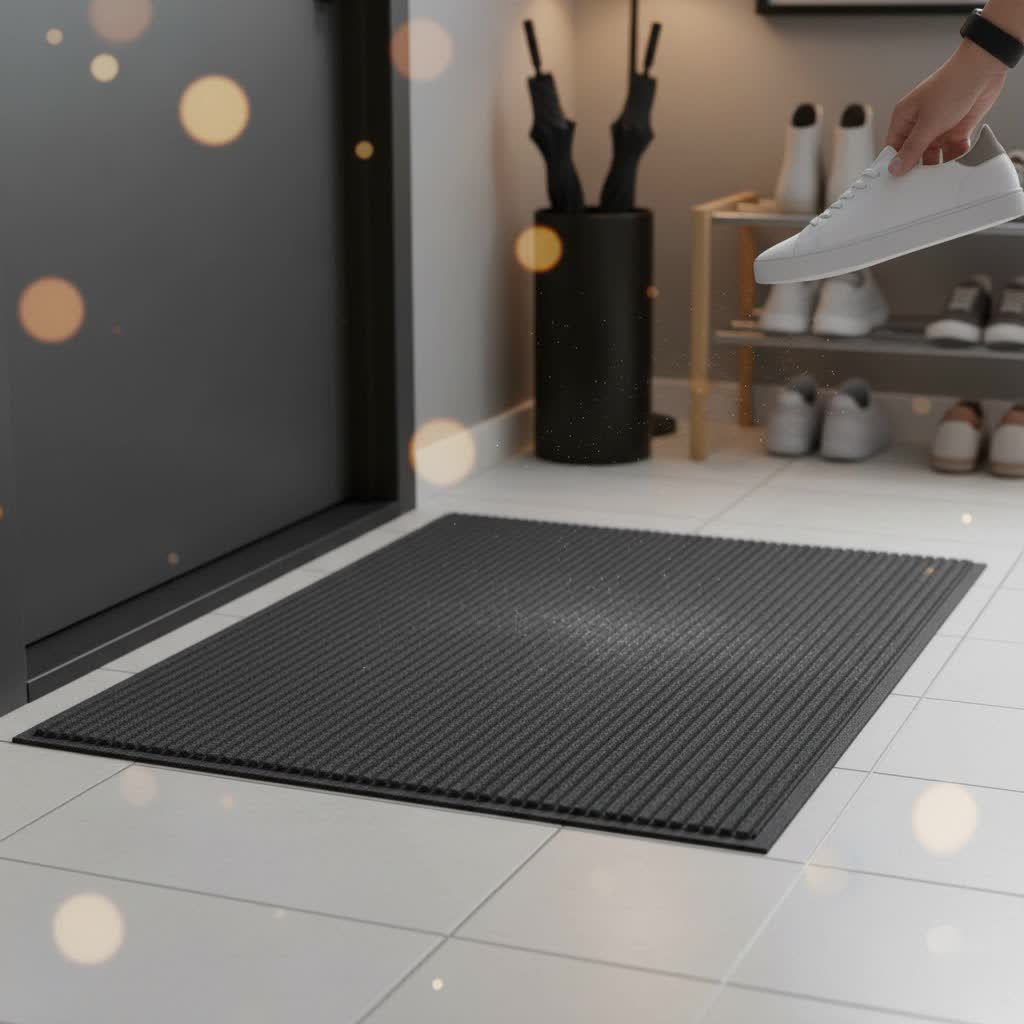
A welcome mat is more than just a decorative accent for your entryway; it’s the first line of defense against the outside world. When it comes to combining durability, functionality, and a warm greeting, a rubber welcome door mat stands in a class of its own. With over a decade of experience reviewing countless mats, from various materials to diverse manufacturing technologies, I understand the nuances that make a mat truly exceptional. This guide will walk you through the world of rubber welcome door mats, helping you discover why they are often the best choice for a cleaner, safer, and more inviting home.
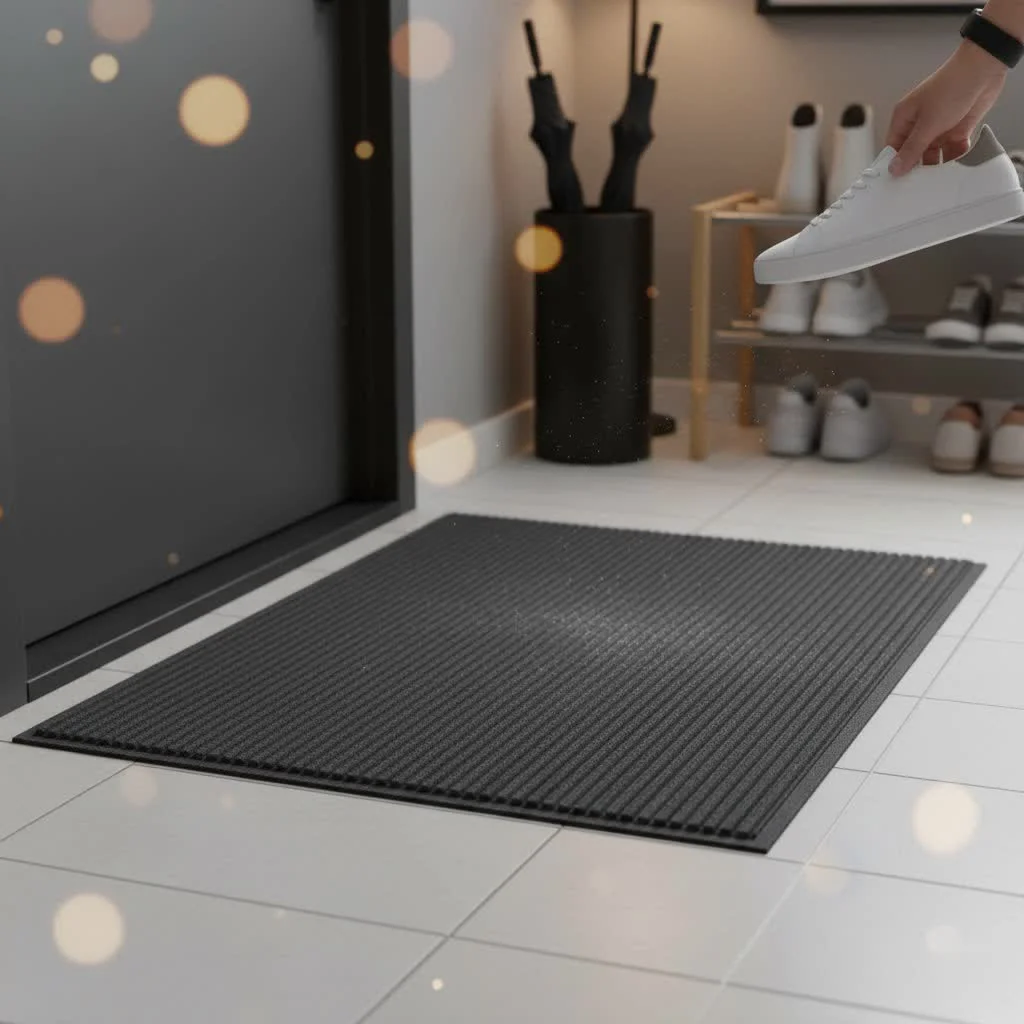
Understanding Popular Rubber Welcome Door Mat Types
Rubber welcome door mats offer a diverse range of styles and compositions, each designed to meet specific needs while leveraging the inherent benefits of rubber.
Pure Rubber Welcome Mats
Pure rubber mats are celebrated for their exceptional resilience and robust construction. Typically crafted from natural, synthetic (like Nitrile rubber), or recycled rubber, these mats are built to withstand the harshest conditions. They are inherently waterproof, making them ideal for areas exposed to heavy rain, snow, or mud, and their heavy nature ensures they stay firmly in place, even in strong winds. Many feature open-hole designs or raised patterns that effectively scrape dirt and debris from shoes, allowing grime to fall through and keeping the surface clean. While some might have a distinctive rubber scent when new, this usually dissipates over time.
- Pros: Outstanding durability, superior non-slip properties, excellent weather resistance, easy to clean.
- Cons: Can be heavy and bulky, less absorbent than fabric-top mats, designs may be simpler.
- Best For: High-traffic outdoor entryways, commercial spaces, areas prone to heavy moisture or debris, industrial aesthetics.
Synthetic Fiber Rubber-Backed Welcome Mats
These mats combine the scraping and absorbing power of synthetic fibers (such as polypropylene or nylon) with a robust rubber backing. The fiber top is designed to aggressively scrub dirt and absorb moisture, while the rubber backing provides crucial non-slip stability and prevents water from seeping through to your floors. Synthetic fibers are known for being fade-resistant, mold-resistant, and quick-drying, making them versatile for various climates. Often referred to as “Waterhog” style mats, they excel at trapping and containing water and dirt.
- Pros: Excellent dirt scraping and moisture absorption, strong non-slip backing, resistant to mold and fading, suitable for indoor/outdoor use.
- Cons: Fiber tops may be harder to deep clean than pure rubber, can be bulky due to thickness.
- Best For: Covered outdoor entryways, indoor foyers, homes needing both scraping and absorption, moderate to high traffic.
Coir and Rubber Blend Welcome Mats
|
Our Picks for the Best Door Mat in 2026
As an Amazon Associate I earn from qualifying purchases.
|
||
| Num | Product | Action |
|---|---|---|
| 1 | OLANLY Front Door Mat Indoor Outdoor Entrance, Waterproof All-Season, All-Weather Doormat, Sturdy Natural Rubber, Fade Resistant, Low Profile, Easy Clean Patio Porch Entryway Mat, 29.5x17, Beige |

|
| 2 | OLANLY Front Door Mat Indoor Outdoor Entrance, Waterproof All-Season, All-Weather Doormat, Sturdy Natural Rubber, Fade Resistant, Low Profile, Easy Clean Patio Porch Entryway Mat, 29.5x17, Dark Brown |
|
| 3 | OLANLY Front Door Mat Indoor Outdoor Entrance, Waterproof All-Season, All-Weather Doormat, Sturdy Natural Rubber, Fade Resistant, Low Profile, Easy Clean Patio Porch Entryway Mat, 29.5x17, Black |
|
| 4 | Sturdy Front Door Mat, Absorbent Muddy Dirt Resist Welcome Door Mats Outdoor Indoor, Stain and Fade Resistant, Non-Slip Backing Entry Mat Low Profile Doormat for Entryway, 29×17, Black |
|
| 5 | Sturdy Front Door Mat, Absorbent Muddy Dirt Resist Welcome Door Mats Outdoor Indoor, Stain and Fade Resistant, Non-Slip Backing Entry Mat Low Profile Doormat for Entryway, 29×17, Beige |
|
| 6 | OLANLY Front Door Mat Indoor Outdoor Entrance, Waterproof All-Season, All-Weather Doormat, Sturdy Natural Rubber, Fade Resistant, Low Profile, Easy Clean Patio Porch Entryway Mat, 29.5x17, Brown |
|
| 7 | Sturdy Front Door Mat, Absorbent Muddy Dirt Resist Welcome Door Mats Outdoor Indoor, Stain and Fade Resistant, Non-Slip Backing Entry Mat Low Profile Doormat for Entryway, 29×17, Coffee |
|
| 8 | OLANLY Front Door Mat Indoor Outdoor Entrance, Waterproof All-Season, All-Weather Doormat, Sturdy Natural Rubber, Fade Resistant, Low Profile, Easy Clean Patio Porch Entryway Mat, 29.5x17, Dark Grey |
|
| 9 | OLANLY Front Door Mat Indoor Outdoor Entrance, Waterproof All-Season, All-Weather Doormat, Sturdy Natural Rubber, Fade Resistant, Low Profile, Easy Clean Patio Porch Entryway Mat, 29.5x17, Blue |
|
| 10 | Sturdy Front Door Mat, Absorbent Muddy Dirt Resist Welcome Door Mats Outdoor Indoor, Stain and Fade Resistant, Non-Slip Backing Entry Mat Low Profile Doormat for Entryway, 36×24, Blue |
|
Combining natural coir (coconut husk fibers) with a rubber base offers a mat that is both effective and eco-friendly. Coir is renowned for its stiff, abrasive bristles that are excellent at scraping off stubborn dirt and mud. When paired with a durable rubber backing, these mats gain superior anti-slip properties and enhanced longevity. The rubber component prevents the mat from shifting and adds resistance to moisture, protecting your floors while the coir works its magic. Many recycled rubber and coir mats offer a sustainable choice.
- Pros: Excellent scraping ability, natural and eco-friendly (with recycled rubber), good moisture absorption by coir, non-slip rubber base.
- Cons: Coir can shed, may take longer to dry completely than pure rubber, texture might be rough for bare feet or small children.
- Best For: Outdoor entryways, natural aesthetic preferences, areas with significant mud/dirt, sustainable choices.
Decorative Rubber Welcome Mat Options
While functionality is paramount, aesthetics don’t have to be compromised. Many rubber welcome mats, especially those with synthetic or coir layers, come with diverse patterns, colors, and welcome messages. You can find options ranging from elegant scrollwork designs in pure rubber to vibrant, printed synthetic mats or personalized coir-rubber blends with family names or house numbers. The rubber component ensures the mat’s core performance, while the surface offers a chance to express your home’s personality.
- Pros: Combines style with practical rubber benefits, wide range of designs and customization.
- Cons: Aesthetic focus might slightly impact extreme heavy-duty scraping if fibers are too soft.
- Best For: Homeowners prioritizing both function and style, personalized entryways, medium-traffic areas.
Comparison Table of Rubber Welcome Door Mat Types
| Mat Type | Key Advantages | Key Disadvantages | Ideal Placement / Use Case |
|---|---|---|---|
| Pure Rubber | Ultimate durability, non-slip, waterproof | Heavy, less absorption, simpler designs | Harsh outdoor conditions, industrial, heavy traffic |
| Synthetic Fiber (Rubber-Backed) | Excellent dirt/moisture trapping, anti-fade, non-slip | Harder to deep clean fiber, can be bulky | Covered outdoor, indoor foyers, general home use |
| Coir & Rubber Blend | Superior scraping, eco-friendly, natural look | Coir shedding, rough texture, slower drying | Outdoor entryways, natural home decor, muddy areas |
| Decorative Rubber | Stylish designs, personalized options, functional | May compromise some heavy-duty features | Main entrances where aesthetics are important, gifts |
Your Guide to Choosing the Perfect Rubber Welcome Door Mat
Selecting the ideal rubber welcome door mat involves considering several factors to ensure it meets your specific needs and complements your home.
1. Assess Your Usage Needs and Location
First, consider where the mat will be placed. Is it for your main entryway, a backdoor, a patio, or an indoor hallway?
- Outdoor Mats: For areas exposed to direct weather, prioritize pure rubber or heavy-duty rubber-backed synthetic mats that are explicitly rated for outdoor use and weather resistance. Look for materials that can handle rain, snow, and UV rays without cracking or fading.
- Indoor Mats: While rubber mats are mostly outdoor champions, rubber-backed synthetic fiber mats can work well indoors for high-traffic areas, offering slip resistance and moisture absorption without damaging indoor flooring.
- Traffic Level: High-traffic areas, like a main entrance, demand the most durable options, such as thick pure rubber or robust synthetic fiber mats with strong rubber backing. Lighter traffic areas allow for more decorative or blended options.
- Purpose: Do you need maximum dirt scraping, superior moisture absorption, or just a stylish greeting? This will guide your material choice.
2. Choose the Right Material Composition
Given the focus on rubber welcome mats, let’s look at the specific material combinations:
- Pure Rubber: Opt for pure rubber if you need unparalleled durability, slip resistance, and weatherproofing. Ideal for industrial-grade performance at your doorstep.
- Rubber with Synthetic Fibers (e.g., Polypropylene): This blend is excellent for trapping both dirt and moisture. The rubber backing ensures stability, while the synthetic top can be highly absorbent and quick-drying. Look for textures that effectively scrape.
- Rubber with Coir: For superior scraping action, especially against mud and stubborn dirt, a coir-rubber blend is a fantastic choice. The natural fibers offer a rugged texture, backed by rubber’s stability.
- Recycled Rubber: A fantastic eco-conscious option, recycled rubber mats offer excellent durability and contribute to sustainability.
3. Determine the Right Size and Shape
The right size is crucial for both function and aesthetics.
- Size: As a general rule, your doormat should be at least as wide as your door frame, or preferably two-thirds the width of the door itself, to ensure adequate wiping space. For double doors, consider a larger, runner-style mat.
- Thickness: Ensure the mat’s thickness allows your door to open and close freely without dragging. This is particularly important for indoor placements or storm doors.
- Shape: Rectangular mats are the most common, but half-round, oval, or unique shapes can add a touch of personality to your entryway.
4. Consider Color, Pattern, and Personalization
Your welcome mat contributes to your home’s curb appeal.
- Color: Darker colors (like black, charcoal, or deep brown) tend to hide dirt and grime more effectively, maintaining a cleaner appearance between washes.
- Pattern and Design: From classic geometric patterns and elegant scrollwork to playful motifs and minimalist textures, choose a design that harmonizes with your home’s exterior and interior decor.
- Messaging and Personalization: A “Welcome” message is classic, but you might opt for personalized options with your family name, house number, or a unique greeting to make your entryway truly yours.
5. Evaluate Ease of Cleaning and Maintenance
One of the major advantages of rubber mats is their ease of cleaning.
- Pure Rubber: Typically, a quick hose-down, sweep, or wipe with a damp cloth is all that’s needed. Dirt often falls through open-hole designs, requiring sweeping underneath.
- Rubber-Backed Fibers (Synthetic or Coir): These often require shaking out, vacuuming, or a good hose-down to remove trapped dirt. Some synthetic options may even be machine washable, offering ultimate convenience. Always check manufacturer instructions.
- Mold and Mildew Resistance: Rubber is naturally resistant to mold and mildew, a huge plus for outdoor mats, especially in damp climates.
6. Read Reviews and Consider Brands
Look for products with high ratings and positive reviews regarding durability, non-slip performance, and cleaning ease. While specific brand names aren’t always necessary, established manufacturers often have a reputation for quality.
“A well-chosen rubber welcome mat isn’t just about keeping floors clean; it’s about making a statement of hospitality and ensuring safety right from the first step.” – Maria Chen, Home Decor Expert
Top Rubber Welcome Door Mats You’ll Love
Based on my experience and industry insights, here are examples of popular rubber welcome door mats that consistently receive high marks for performance and style:
1. Gorilla Grip Natural Rubber Door Mat
This mat is a top contender for its heavy-duty construction and effective dirt-trapping capabilities. Made with natural rubber, it boasts a textured surface designed to scrape away mud, grime, and debris, ensuring nothing enters your home. Its robust build makes it perfect for high-traffic outdoor areas.
2. Waterhog Classic Rubber-Backed Entry Mat
Known for its unique “water dam” border and durable polypropylene fiber surface, the Waterhog mat is engineered to trap water and dirt, keeping it contained within the mat. The rubber backing ensures it stays put, even in the busiest entryways, and its quick-drying properties are highly appreciated in all weather conditions.
3. Coir & Recycled Rubber Scroll Welcome Mat
Combining classic elegance with eco-consciousness, this mat features natural coir fibers set within a decorative recycled rubber frame. The coir provides excellent scraping action for shoes, while the heavy rubber frame adds stability and a sophisticated touch to your entrance. It’s a perfect blend of style and substance.
Conclusion
Choosing the right rubber welcome door mat is an investment in the cleanliness, safety, and aesthetic appeal of your home. From the robust, weather-defying pure rubber options to the versatile synthetic-rubber blends and the natural charm of coir-rubber combinations, there’s a perfect mat to greet your guests and protect your floors. By considering your specific needs, focusing on durability and non-slip features, and selecting a style that reflects your personality, you can confidently find a rubber welcome mat that performs beautifully for years to come.
What features do you value most in your ideal welcome mat?
Get our weekly buyer guide
Practical specs, not advice. Unsubscribe anytime.
