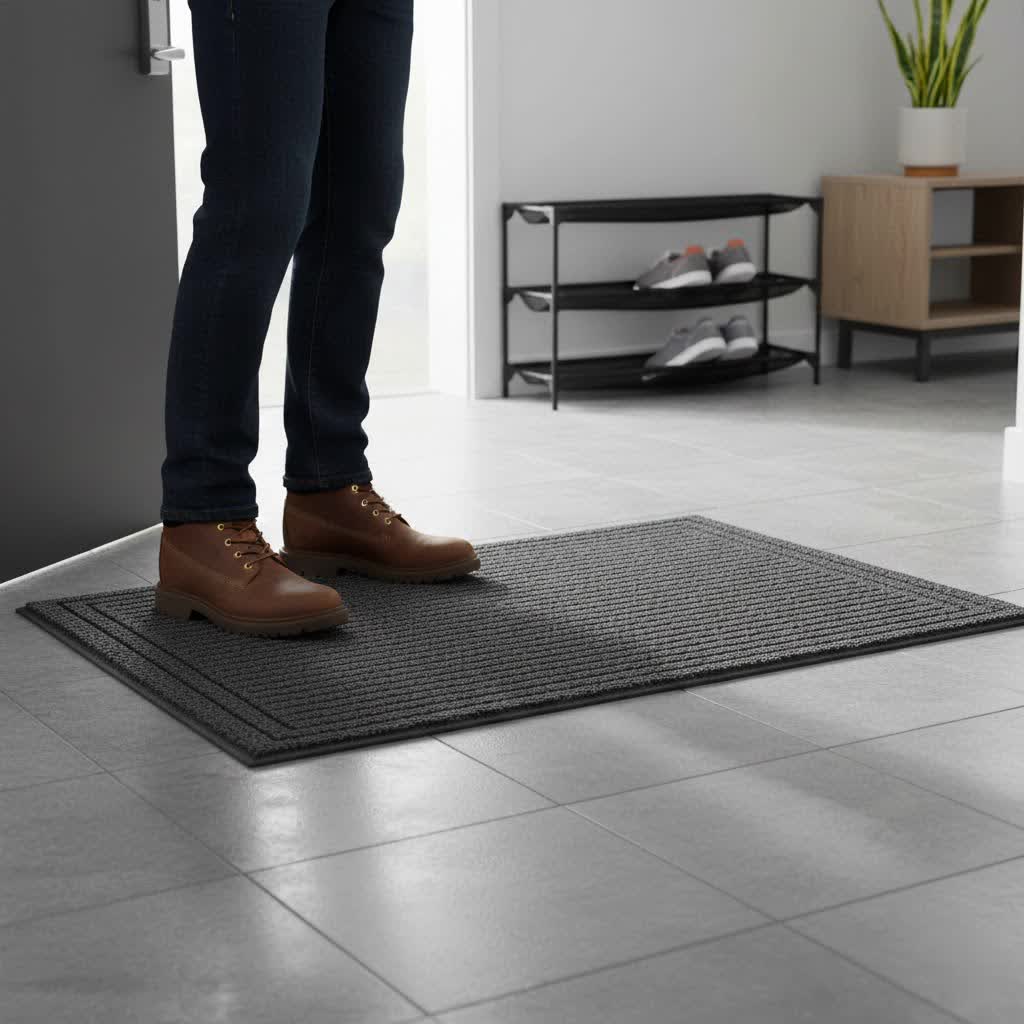
Are you tired of your door mat bunching up or obstructing the swing of your doors? It’s a common household frustration, especially with modern homes often featuring minimal door clearance. Traditional bulky mats become more of a nuisance than a welcoming accent, leading to scuff marks, torn edges, and an ongoing battle every time you open or close a door. Fortunately, there’s an elegant and highly functional solution that ensures smooth transitions and clean floors: the ultra-thin door mat. These innovative mats are specifically designed to fit seamlessly in tight spaces, offering superior dirt trapping, absorbency, and style without adding bulk. Let’s dive into the world of ultra-thin door mats to discover how they can transform your entryways and make your daily life a little smoother.
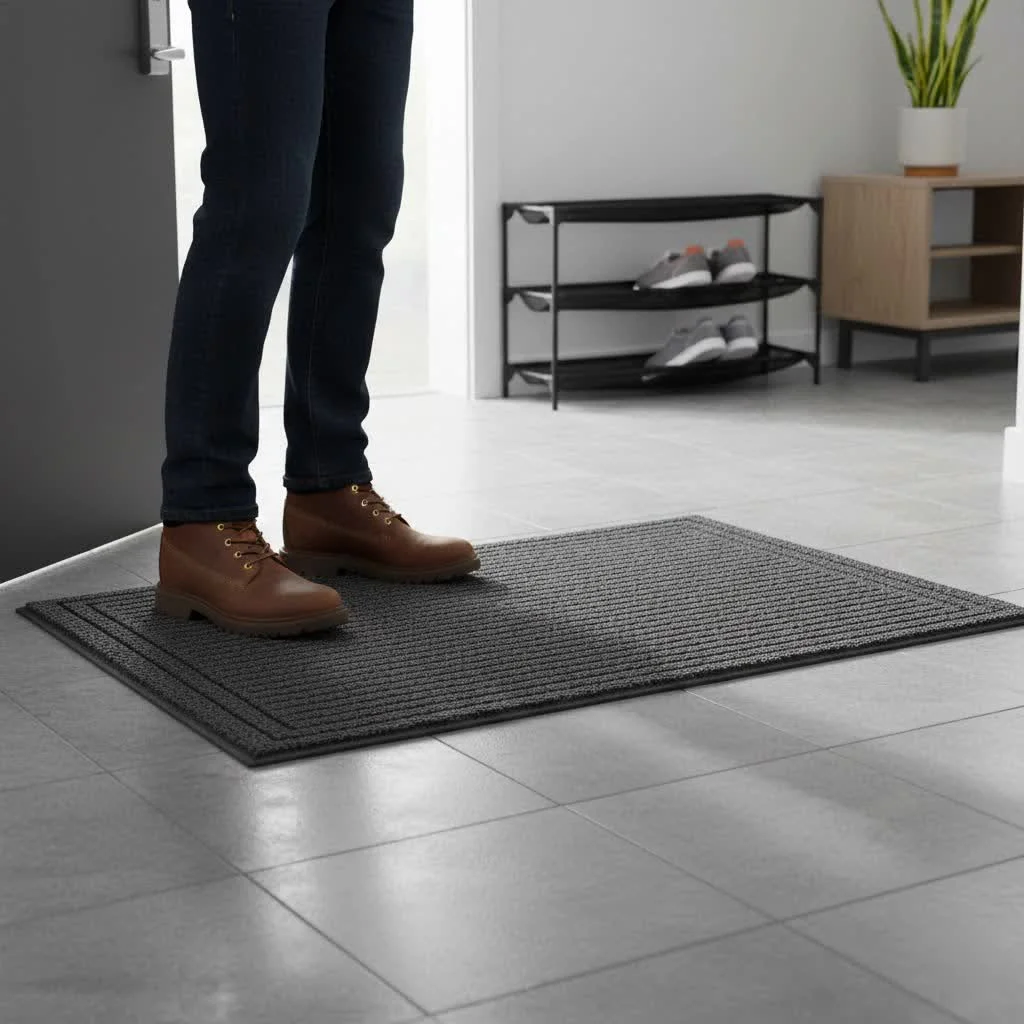
Popular Types of Ultra-Thin Door Mats
When selecting an ultra-thin door mat, the material is key to its performance, durability, and aesthetic appeal. While “ultra-thin” defines their profile, the underlying composition dictates how well they tackle dirt, moisture, and wear. For explore our home decor reviews on this site.
Synthetic Fiber Ultra-Thin Door Mats
Synthetic fibers such as polyester, nylon, and polypropylene are commonly used in ultra-thin door mats. These materials are prized for their versatility and practical benefits.
- Advantages: They are often highly absorbent, quick-drying, and resistant to stains and fading, making them excellent for capturing dirt and moisture from shoes. Synthetic mats are available in a vast array of colors and patterns, allowing for easy integration into any decor. Many are also machine washable, simplifying maintenance.
- Disadvantages: While durable, the lifespan can vary depending on the specific fiber and weave density. In extremely high-traffic outdoor areas, some synthetic mats might show wear faster than their thicker, more robust counterparts, and their dirt-scraping ability might be less aggressive than stiff natural fibers.
- Ideal For: Busy indoor entryways, kitchens, laundry rooms, and covered outdoor areas where quick drying and easy cleaning are priorities.
Diatomaceous Earth Ultra-Thin Door Mats
A relatively newer innovation in door mat technology, diatomaceous earth mats offer unique properties.
- Advantages: These mats are renowned for their exceptional absorbency and rapid drying capabilities, quickly wicking away moisture from wet shoes and preventing puddles. They often have a sleek, minimalist aesthetic and feel remarkably solid underfoot. The inherent properties of diatomaceous earth make them naturally resistant to mold and mildew.
- Disadvantages: Due to their rigid nature, they offer fewer design and color options. They are generally not as flexible as fabric mats and can be more prone to cracking if dropped or flexed improperly. Their primary function is moisture absorption rather than aggressive dirt scraping.
- Ideal For: Bathrooms, kitchens, and entryways where moisture control is paramount and a minimalist look is desired.
Rubber-Backed Ultra-Thin Door Mats
|
Our Picks for the Best Door Mat in 2026
As an Amazon Associate I earn from qualifying purchases.
|
||
| Num | Product | Action |
|---|---|---|
| 1 | OLANLY Front Door Mat Indoor Outdoor Entrance, Waterproof All-Season, All-Weather Doormat, Sturdy Natural Rubber, Fade Resistant, Low Profile, Easy Clean Patio Porch Entryway Mat, 29.5x17, Black |

|
| 2 | OLANLY Front Door Mat Indoor Outdoor Entrance, Waterproof All-Season, All-Weather Doormat, Sturdy Natural Rubber, Fade Resistant, Low Profile, Easy Clean Patio Porch Entryway Mat, 29.5x17, Dark Brown |
|
| 3 | OLANLY Front Door Mat Indoor Outdoor Entrance, Waterproof All-Season, All-Weather Doormat, Sturdy Natural Rubber, Fade Resistant, Low Profile, Easy Clean Patio Porch Entryway Mat, 29.5x17, Dark Grey |
|
| 4 | Sturdy Front Door Mat, Absorbent Muddy Dirt Resist Welcome Door Mats Outdoor Indoor, Stain and Fade Resistant, Non-Slip Backing Entry Mat Low Profile Doormat for Entryway, 29×17, Black |
|
| 5 | OLANLY Front Door Mat Indoor Outdoor Entrance, Waterproof All-Season, All-Weather Doormat, Sturdy Natural Rubber, Fade Resistant, Low Profile, Easy Clean Patio Porch Entryway Mat, 29.5x17, Brown |
|
| 6 | OLANLY Front Door Mat Indoor Outdoor Entrance, Waterproof All-Season, All-Weather Doormat, Sturdy Natural Rubber, Fade Resistant, Low Profile, Easy Clean Patio Porch Entryway Mat, 29.5x17, Blue |
|
| 7 | Sturdy Front Door Mat, Absorbent Muddy Dirt Resist Welcome Door Mats Outdoor Indoor, Stain and Fade Resistant, Non-Slip Backing Entry Mat Low Profile Doormat for Entryway, 36×24, Blue |
|
| 8 | OLANLY Front Door Mat Indoor Outdoor Entrance, Waterproof All-Season, All-Weather Doormat, Sturdy Natural Rubber, Fade Resistant, Low Profile, Easy Clean Patio Porch Entryway Mat, 29.5x17, Beige |
|
| 9 | Sturdy Front Door Mat, Absorbent Muddy Dirt Resist Welcome Door Mats Outdoor Indoor, Stain and Fade Resistant, Non-Slip Backing Entry Mat Low Profile Doormat for Entryway, 29×17, Beige |
|
| 10 | Sturdy Front Door Mat, Absorbent Muddy Dirt Resist Welcome Door Mats Outdoor Indoor, Stain and Fade Resistant, Non-Slip Backing Entry Mat Low Profile Doormat for Entryway, 29×17, Coffee |
|
Many ultra-thin mats, regardless of their top surface material, feature a rubber backing, or are made entirely of a thin rubber composite.
- Advantages: Rubber backings provide excellent non-slip grip, ensuring the mat stays firmly in place even on smooth floors. They are highly durable, waterproof, and impermeable, preventing moisture from seeping through to your floor. Rubber surfaces are also incredibly easy to clean, often requiring just a rinse or wipe down.
- Disadvantages: All-rubber mats may offer less aesthetic variety compared to fiber-based options and can sometimes have a distinct rubber odor, especially when new. While great for trapping debris, they might not offer the plush feel or high absorbency of some synthetic or natural fiber alternatives.
- Ideal For: High-traffic entryways, both indoor and outdoor, garages, and areas where maximum grip and water protection are essential.
Comparing Ultra-Thin Door Mats
Understanding the differences between types of ultra-thin door mats can help you make an informed decision based on your specific needs. Here’s a comparison to guide you:
| Type of Thin Mat | Key Advantages | Potential Disadvantages | Best Suited For |
|---|---|---|---|
| Synthetic Fiber | Absorbent, quick-drying, wide range of designs, often machine washable, stain-resistant. | Durability varies, less aggressive scraping than coir, may not handle heavy mud. | Indoor/covered outdoor entryways, light-to-moderate traffic, decorative use. |
| Diatomaceous Earth | Exceptional moisture absorption, rapid drying, minimalist aesthetic, naturally mold-resistant. | Limited designs/colors, rigid (can crack), primarily for moisture, less dirt scraping. | Bathrooms, kitchens, high-humidity areas, modern interiors prioritizing quick drying. |
| Rubber-Backed | Superior non-slip grip, highly durable, waterproof, excellent for dirt trapping, easy to clean. | Limited aesthetic appeal, initial rubber odor possible, less “soft” underfoot. | High-traffic areas, outdoor entryways, garages, maximum safety and floor protection. |
Your Buying Guide to Choosing an Ultra-Thin Door Mat
Selecting the perfect ultra-thin door mat goes beyond just its slim profile. A thoughtful approach ensures your mat not only looks great but also performs effectively for years to come.
1. Determine Your Usage Needs
Before anything else, consider where the mat will live and what challenges it needs to address.
- Location: Is it for the main front door, a back entrance, a bathroom, kitchen, or perhaps a hallway? Indoor mats often prioritize aesthetics and light absorbency, while outdoor or heavy-traffic indoor mats need robust dirt-trapping and weather resistance.
- Traffic Level: Will it be in a low-traffic guest entrance or a high-traffic family entry? More foot traffic demands greater durability and dirt-trapping capabilities.
- Primary Purpose: Is your main goal to stop dirt, absorb moisture, prevent slips, add a decorative touch, or all of the above?
2. Choose the Right Material
Refer back to the types of mats discussed. Each material offers a unique set of benefits and drawbacks.
- For high absorbency and quick drying: Consider diatomaceous earth or high-quality synthetic fibers like polyester.
- For maximum dirt scraping and durability: Look for synthetic blends with textured surfaces or rubber mats with effective scraping patterns.
- For superior non-slip properties: A mat with a robust rubber backing is essential.
- Prioritize health and safety: Choose materials that are safe, non-toxic, and hypoallergenic if this is a concern for your household.
3. Select the Ideal Size and Shape
This step is particularly crucial for ultra-thin mats, as their primary advantage is fitting where others can’t.
- Measure Door Clearance: Accurately measure the gap between the bottom of your door and the floor. Ensure the mat’s thickness is well within this clearance to prevent any obstruction. Many ultra-thin mats are designed to be 0.12 to 0.2 inches thick, fitting effortlessly under most low-clearance doors.
- Match Area Dimensions: The mat should be proportionate to your entryway. For standard single doors, a common size is around 24×36 inches. Larger entryways or double doors might benefit from wider mats, while narrow hallways often look best with runner-style mats.
- Consider Shape: Rectangular mats are standard, but semi-circle, oval, or even novelty shapes can add personality and complement your space.
4. Mind the Color and Pattern
While functionality is paramount, the mat’s appearance plays a significant role in your home’s aesthetic.
- Harmonize with Decor: Choose colors and patterns that complement your existing flooring, wall colors, and overall home style. Neutral tones like grey, black, or beige offer versatility, while bolder patterns can make a statement.
- Practicality of Color: Darker colors and patterns can hide dirt and stains more effectively between cleanings.
5. Check for Essential Features
Beyond the basic material and dimensions, certain features enhance a mat’s performance and longevity.
- Non-Slip Backing: This is non-negotiable for safety, especially on hard, smooth surfaces. Look for quality rubber or TPR (thermoplastic rubber) backings that grip firmly.
- Washability: Many ultra-thin mats are machine washable, a huge advantage for easy maintenance. Always check care instructions.
- Durability Features: Reinforced edges prevent fraying and extend the mat’s life. Look for fade-resistant and all-weather properties if used outdoors.
- Dirt-Trapping Design: Textured surfaces, grooves, or specific fiber weaves are designed to scrape and trap dirt more effectively.
Top Ultra-Thin Door Mat Solutions
Finding the ideal ultra-thin door mat can significantly enhance the functionality and appearance of your home. Here are some categories that represent the most favored options, addressing various needs for modern living:
The Everyday Entry Solution
These mats are typically crafted from highly absorbent synthetic blends like polyester, featuring a low-pile, tightly woven surface and a non-slip rubber backing. They excel at trapping everyday dust, dirt, and moisture without getting stuck under doors. Their machine-washable nature makes upkeep a breeze, and they come in a vast array of subtle patterns and solid colors to blend seamlessly with any decor.
The Minimalist Marvel
For those who prioritize sleek design and exceptional moisture control, ultra-thin mats made from diatomaceous earth are a game-changer. These rigid, quick-drying mats instantly absorb water, leaving surfaces dry to the touch. With their stone-like appearance, they offer a clean, modern aesthetic perfect for bathrooms, kitchens, or any entryway where wet shoes are a frequent concern.
The All-Weather Guardian
Featuring robust construction, often with a durable polypropylene or specialized synthetic top layer fused to a heavy-duty rubber base, these ultra-thin mats are built to withstand the elements. They are designed for both indoor and outdoor use, offering excellent scraping power for mud and debris while remaining impervious to rain, snow, and UV rays. Their exceptional grip ensures they stay put, providing a safe and clean transition in all conditions.
“An ultra-thin door mat isn’t just about clearance; it’s about smart design meeting daily demands. The right mat eliminates a common household annoyance while proactively protecting your floors.” – Sarah Chen, Home Organization Expert
Conclusion
Choosing an ultra-thin door mat is a smart investment for any home, particularly those with low-clearance doors. These innovative mats offer a perfect blend of practicality, safety, and style, ensuring your entryways remain clean, dry, and welcoming. By considering factors like material, location, traffic, and essential features, you can easily find a mat that not only resolves door obstruction issues but also enhances your home’s aesthetic. Say goodbye to bunched-up rugs and hello to seamless transitions and immaculate floors. Ready to upgrade your entryway? Explore the diverse range of ultra-thin door mats available today and discover the perfect fit for your home!
Frequently Asked Questions
What makes an ultra-thin door mat different from a regular door mat?
The key difference is thickness. Ultra-thin door mats are specifically engineered to be significantly slimmer (typically 0.12 to 0.4 inches) than traditional mats, allowing them to fit effortlessly under doors with minimal clearance without snagging or obstructing movement.
Are ultra-thin door mats effective at trapping dirt and moisture?
Absolutely. Modern ultra-thin door mats are designed with advanced materials like high-density synthetic fibers, diatomaceous earth, or textured rubber surfaces that are highly effective at scraping off dirt, trapping debris, and absorbing moisture, often performing as well as or better than thicker alternatives in their specialized roles.
Can ultra-thin door mats be used outdoors?
Many ultra-thin door mats are designed for both indoor and outdoor use, especially those made with durable synthetic fibers or rubber. For outdoor placement, look for mats specifically labeled “all-weather” or “outdoor” which are resistant to UV rays, moisture, and varying temperatures.
How do I clean an ultra-thin door mat?
Cleaning methods vary by material. Most synthetic ultra-thin mats are machine washable, while rubber-backed mats can often be hosed down or wiped clean. Diatomaceous earth mats typically require light sanding or a quick rinse. Always check the manufacturer’s care instructions for the best results.
Do ultra-thin door mats slip on smooth floors?
Reputable ultra-thin door mats are equipped with non-slip backings, usually made of high-quality rubber or TPR, to prevent them from shifting or sliding on smooth surfaces like tile, hardwood, or laminate. This feature is crucial for both functionality and safety.
Get our weekly buyer guide
Practical specs, not advice. Unsubscribe anytime.
