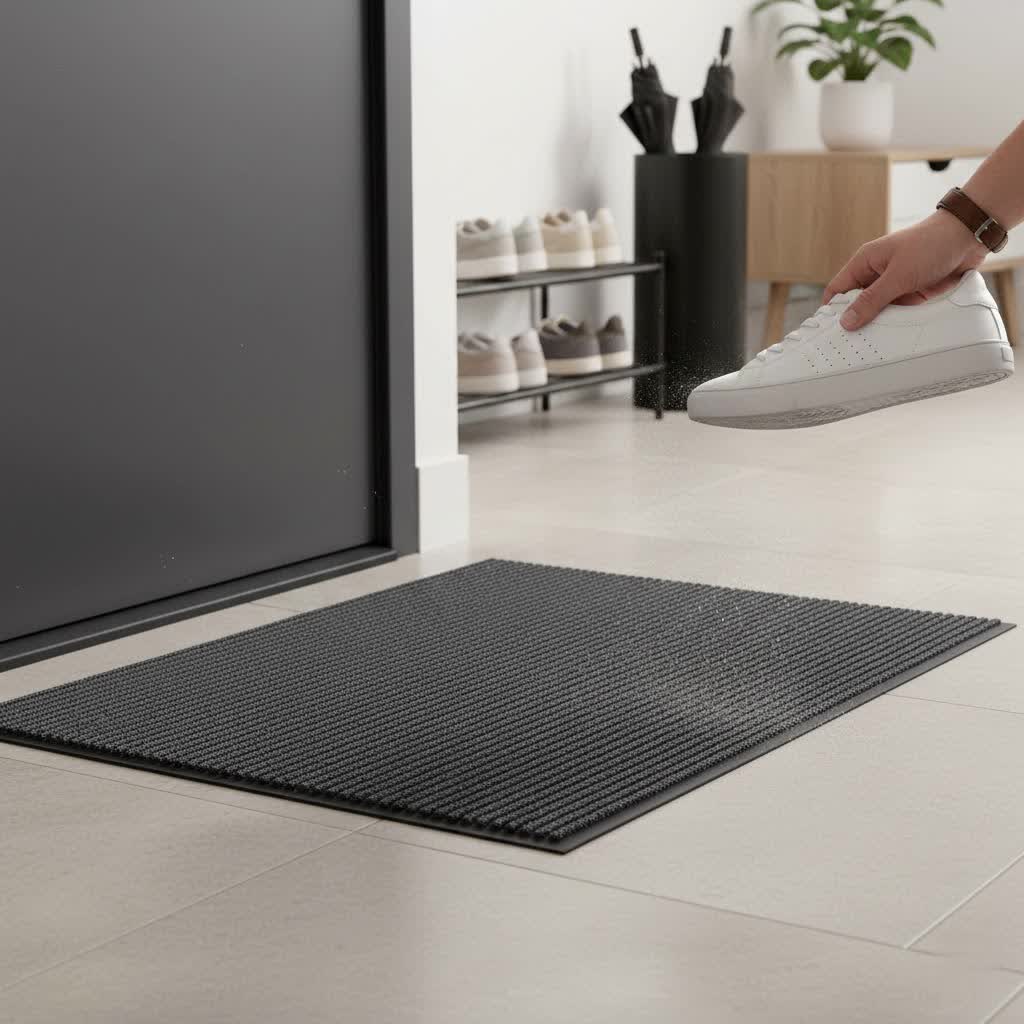
Stepping into your home should be a relief, not an invitation for dirt and moisture to track through your living spaces. An often-overlooked hero in home maintenance, the indoor entrance door mat is your first line of defense against the outside world. From muddy boots to wet umbrellas, the right mat can trap debris, absorb moisture, and protect your floors, all while adding a touch of style to your entryway. This comprehensive guide will explore the various types, materials, and essential considerations for choosing the perfect indoor entrance door mat that truly works for your home.
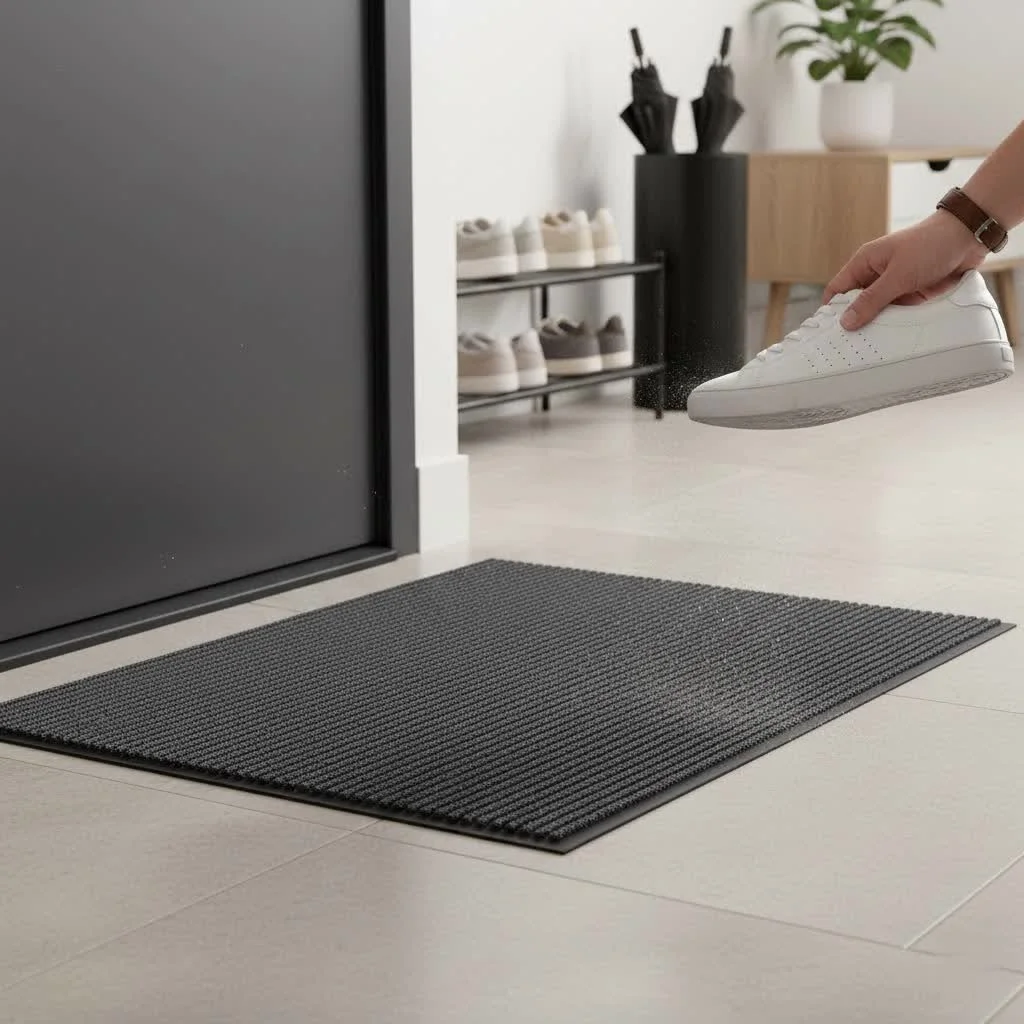
Popular Types of Indoor Entrance Door Mats
Indoor entrance mats come in a variety of materials, each offering unique benefits for trapping dirt, absorbing moisture, and complementing your interior design. Understanding these differences is key to making an informed decision for your home. For shop curated home decor on this site.
Synthetic Fiber Entrance Mats
Synthetic fibers like polypropylene, nylon, and microfiber are among the most popular choices for indoor entrance mats due to their versatility and performance. Polypropylene mats are known for their durability and resistance to stains, water, and fading, making them excellent for high-traffic areas and retaining vibrant colors over time. Nylon is a premium synthetic fiber, particularly resilient and capable of springing back to its original shape even after heavy foot traffic. It also excels at soaking up moisture, making it ideal for combating rain or snow. Microfiber and polyester mats offer exceptional absorbency, effectively trapping water and fine dirt, and often boast a soft, plush feel underfoot, drying quickly and many being machine washable.
Pros: Generally affordable, easy to clean, diverse in patterns and colors, good durability, excellent dirt trapping and moisture absorption (especially nylon and microfiber), resistant to mildew and fading.
Cons: Can be less eco-friendly than natural alternatives, absorbency and feel vary greatly between synthetic types.
Natural Fiber Entrance Mats
For those seeking an eco-conscious or rustic aesthetic, natural fiber mats made from materials like jute or cotton offer a distinct charm. Jute mats provide a warm, natural look and are soft underfoot, making them suitable for low-moisture, low-traffic indoor areas. They are appreciated for their sustainability and ability to complement various decor styles. Cotton mats are highly absorbent, making them effective at soaking up water, though they often require more frequent cleaning and can be susceptible to moisture retention if not properly maintained.
Pros: Environmentally friendly, unique natural textures and aesthetics, good absorbency (cotton), biodegradable.
Cons: Can be more challenging to clean, may be prone to mold or mildew in consistently damp conditions (especially jute), typically less durable for very high-traffic areas compared to synthetics.
Rubber-Backed Entrance Mats
|
Our Picks for the Best Door Mat in 2026
As an Amazon Associate I earn from qualifying purchases.
|
||
| Num | Product | Action |
|---|---|---|
| 1 | Sturdy Front Door Mat, Absorbent Muddy Dirt Resist Welcome Door Mats Outdoor Indoor, Stain and Fade Resistant, Non-Slip Backing Entry Mat Low Profile Doormat for Entryway, 36×24, Blue |

|
| 2 | OLANLY Front Door Mat Indoor Outdoor Entrance, Waterproof All-Season, All-Weather Doormat, Sturdy Natural Rubber, Fade Resistant, Low Profile, Easy Clean Patio Porch Entryway Mat, 29.5x17, Dark Grey |
|
| 3 | OLANLY Front Door Mat Indoor Outdoor Entrance, Waterproof All-Season, All-Weather Doormat, Sturdy Natural Rubber, Fade Resistant, Low Profile, Easy Clean Patio Porch Entryway Mat, 29.5x17, Blue |
|
| 4 | Sturdy Front Door Mat, Absorbent Muddy Dirt Resist Welcome Door Mats Outdoor Indoor, Stain and Fade Resistant, Non-Slip Backing Entry Mat Low Profile Doormat for Entryway, 29×17, Coffee |
|
| 5 | OLANLY Front Door Mat Indoor Outdoor Entrance, Waterproof All-Season, All-Weather Doormat, Sturdy Natural Rubber, Fade Resistant, Low Profile, Easy Clean Patio Porch Entryway Mat, 29.5x17, Dark Brown |
|
| 6 | OLANLY Front Door Mat Indoor Outdoor Entrance, Waterproof All-Season, All-Weather Doormat, Sturdy Natural Rubber, Fade Resistant, Low Profile, Easy Clean Patio Porch Entryway Mat, 29.5x17, Brown |
|
| 7 | OLANLY Front Door Mat Indoor Outdoor Entrance, Waterproof All-Season, All-Weather Doormat, Sturdy Natural Rubber, Fade Resistant, Low Profile, Easy Clean Patio Porch Entryway Mat, 29.5x17, Black |
|
| 8 | Sturdy Front Door Mat, Absorbent Muddy Dirt Resist Welcome Door Mats Outdoor Indoor, Stain and Fade Resistant, Non-Slip Backing Entry Mat Low Profile Doormat for Entryway, 29×17, Black |
|
| 9 | Sturdy Front Door Mat, Absorbent Muddy Dirt Resist Welcome Door Mats Outdoor Indoor, Stain and Fade Resistant, Non-Slip Backing Entry Mat Low Profile Doormat for Entryway, 29×17, Beige |
|
| 10 | OLANLY Front Door Mat Indoor Outdoor Entrance, Waterproof All-Season, All-Weather Doormat, Sturdy Natural Rubber, Fade Resistant, Low Profile, Easy Clean Patio Porch Entryway Mat, 29.5x17, Beige |
|
While often combined with synthetic fiber surfaces, rubber-backed mats are a category defined by their crucial non-slip feature. The rubber backing, frequently made from PVC or natural rubber, provides superior grip on various floor types, preventing slips and shifting. These mats are incredibly durable, often designed to withstand heavy use, and excel in wet conditions by preventing moisture from seeping through to your flooring.
Pros: Excellent non-slip safety, very durable, often easy to clean, prevents moisture leakage to the floor, good for high-traffic or wet areas.
Cons: Can have a distinct rubber odor, limited in aesthetic variety (often more utilitarian), can be heavier and less flexible than other types.
Comparing Indoor Entrance Mat Materials
| Type of Mat | Advantages | Disadvantages | Best Suited For |
|---|---|---|---|
| Synthetic Fiber | Affordable, easy care, wide designs, durable, absorbent | Less eco-friendly, feel varies | High-traffic entryways, modern interiors, busy households |
| Natural Fiber | Eco-friendly, unique aesthetics, soft, absorbent | Harder to clean, can mold in dampness, less durable | Low-traffic areas, rustic decor, dry climates |
| Rubber-Backed | Non-slip, very durable, protects floors from water | Can smell, limited design, heavier | Wet areas, high-safety needs, utility spaces, busy entries |
Guide to Choosing the Right Indoor Entrance Door Mat
Selecting the ideal indoor entrance mat involves more than just picking a pretty pattern. It requires a thoughtful assessment of your specific needs, the environment, and your personal style.
Assess Your Needs and Location
Consider where the mat will be placed and how much traffic it will endure. Is it for a bustling main entryway, a cozy back door, a bathroom entrance, or a laundry room? A high-traffic area, such as your main front door, demands a mat with superior durability and dirt-trapping capabilities. For areas with less footfall, you might prioritize aesthetics or a softer feel. Think about the primary purpose: Is it mainly for scraping off dirt, absorbing water from wet shoes, or simply adding a decorative touch?
Select the Best Material
The material is paramount to a mat’s performance. If moisture absorption is key (e.g., in rainy or snowy climates), look for highly absorbent synthetic fibers like nylon or microfiber. For heavy dirt and debris, a mat with strong scraping fibers, often found in polypropylene blends, is effective. If you prefer natural elements and a softer touch for a less demanding spot, jute might be a good fit, but be mindful of moisture. For optimal safety and floor protection in any area prone to wetness, prioritize mats with a robust non-slip rubber backing.
Consider Size and Profile
The mat’s size should be proportionate to your entryway. It should be wide enough to catch debris from both feet as someone steps in and long enough to allow for a couple of steps to effectively clean shoes. Crucially, check the mat’s thickness or “profile.” A low-profile mat is essential for most indoor entrances to ensure it doesn’t snag or obstruct the opening and closing of your door.
Style and Aesthetics
An indoor entrance mat is also a piece of home decor. Choose colors and patterns that harmonize with your existing interior design. A mat can either blend seamlessly with your floor and furnishings or serve as a vibrant accent piece. Simple, classic designs often work well in many homes, while more intricate or personalized patterns can add character.
Evaluate Maintenance and Durability
Consider how easy the mat is to clean and how long it’s expected to last. Many synthetic mats are vacuum-friendly, and some microfiber or nylon options are even machine washable, offering ultimate convenience. Natural fiber mats may require more specific care, like shaking out or spot cleaning, and might not withstand harsh cleaning agents. Investing in a durable mat, particularly for high-traffic areas, will save you money and effort in the long run.
Top-Rated Indoor Entrance Mat Examples
Based on common features and user preferences, here are examples of highly effective indoor entrance mats:
The Absorbent Microfiber Wonder – Perfect for soaking up moisture quickly and keeping floors dry.
These mats typically feature a plush, super-absorbent microfiber surface designed to instantly trap water, snow, and mud from shoes and paws. They often come with a non-slip rubber backing and are frequently machine washable for effortless cleaning, making them ideal for homes in wet climates or those with pets.
The Durable Low-Profile Dynamo – A workhorse for high-traffic areas, designed to scrape dirt without obstructing doors.
Often crafted from resilient nylon or high-quality polypropylene fibers, these mats boast excellent dirt-trapping capabilities and robust construction. Their key feature is a low-profile design that allows doors to open and close freely, while the strong, often textured surface efficiently scrapes off grit and grime. They commonly have a heavy-duty, anti-slip backing for stability.
The Stylish Natural Jute Accent – Adds a touch of organic elegance to less trafficked entryways.
These mats are prized for their beautiful, eco-friendly jute construction, bringing warmth and natural texture to your home. While less suited for heavy moisture, they are excellent for dry entryways where aesthetics are a priority. They offer a softer feel and a distinct, charming look that complements bohemian, rustic, or minimalist decor.
“A well-chosen indoor entrance mat acts as a silent guardian, diligently capturing the elements from outside and preserving the cleanliness and integrity of your home’s interior. It’s an investment in both practicality and peace of mind.” – Admin, ReviewFindr.com
Conclusion
Choosing the right indoor entrance door mat is a simple yet impactful decision for your home. By considering factors like material, absorbency, durability, size, and style, you can select a mat that not only enhances your entryway’s appearance but also serves as an effective barrier against dirt and moisture. Whether you opt for the robust performance of synthetics, the natural charm of fibers, or the security of a rubber-backed design, the perfect mat awaits to welcome you home to cleaner, more inviting spaces. Make that first step inside a step towards a cleaner home.
What kind of protection does your entryway need most?
Frequently Asked Questions
How often should I clean my indoor entrance mat?
The frequency of cleaning depends on traffic and usage. For high-traffic areas or during wet seasons, vacuuming daily and deep cleaning weekly (or as needed for machine washable mats) is recommended to maintain effectiveness and hygiene. Mats in lower-traffic areas can be cleaned less frequently, perhaps every 1-2 weeks.
Can indoor entrance mats be used outdoors?
While some mats are marketed as “indoor/outdoor,” most dedicated indoor entrance mats are not designed to withstand harsh outdoor elements like prolonged sun exposure or heavy rain and snow. Using an indoor mat outdoors can compromise its integrity, accelerate wear, and reduce its effectiveness. Always check the manufacturer’s recommendations for proper placement.
Get our weekly buyer guide
Practical specs, not advice. Unsubscribe anytime.
