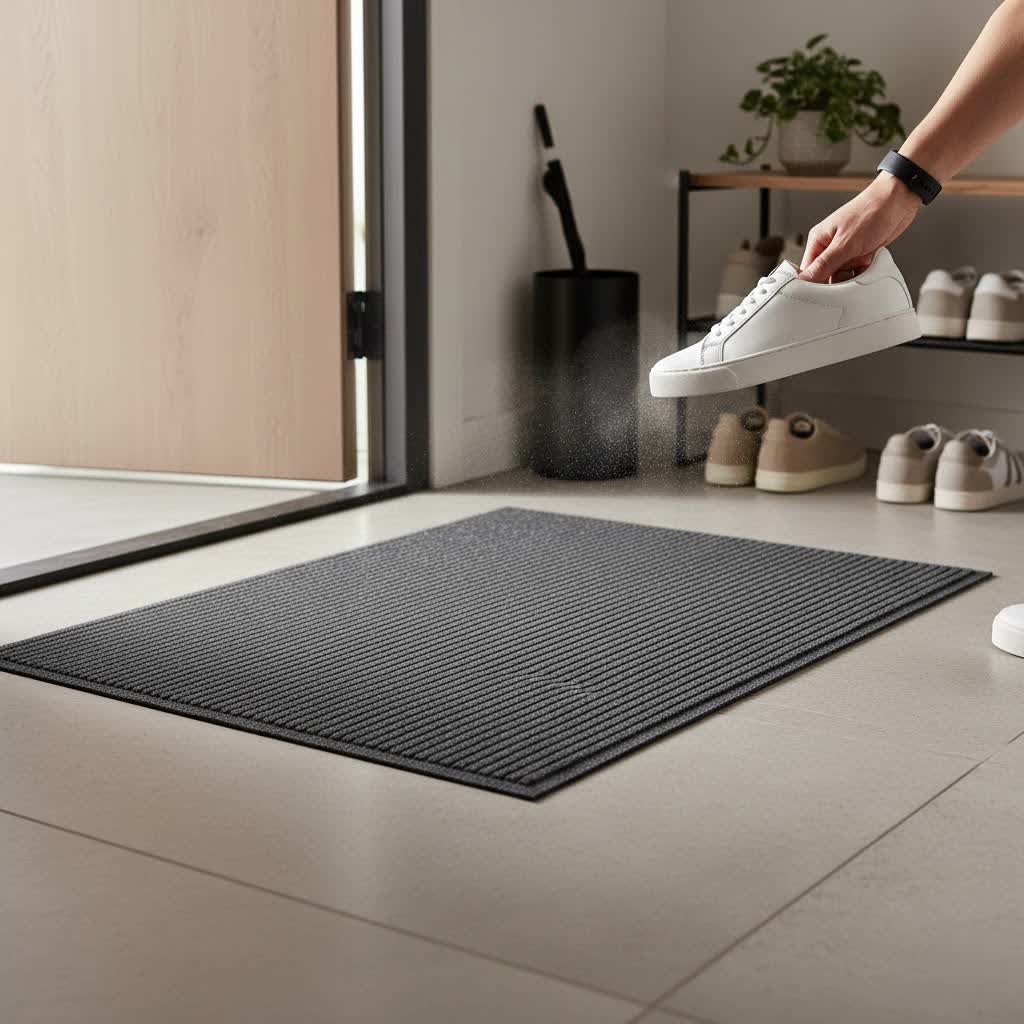
The humble door mat often goes unnoticed, yet it’s the first impression your home makes and a critical guardian against outdoor elements. But what if your welcome mat could be as dynamic as your style, changing with the seasons or your mood? Enter door mat inserts – a versatile solution that marries aesthetic appeal with essential functionality. These ingenious components allow you to effortlessly refresh your entryway, providing a clean, inviting space that reflects your personality without constantly replacing an entire mat system.
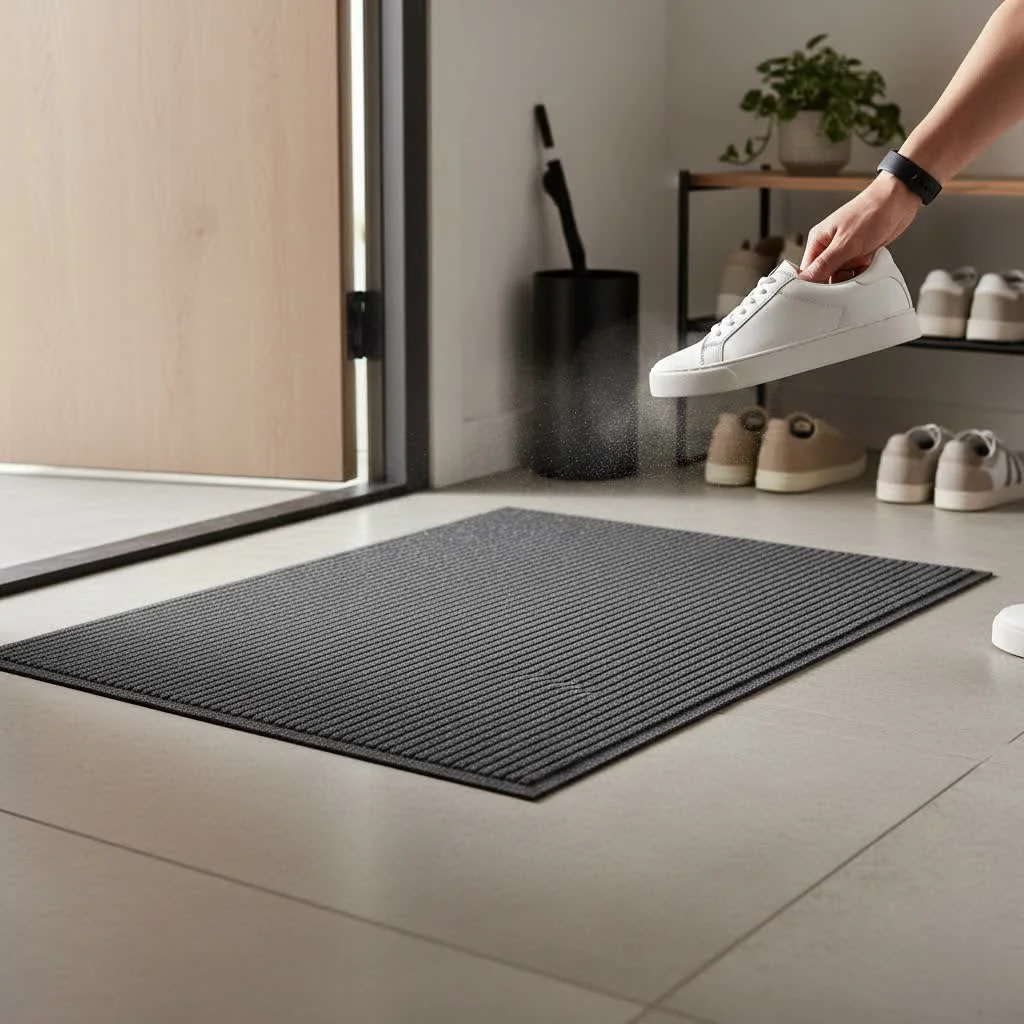
With over a decade immersed in the world of floor mats, I’ve seen countless innovations, and door mat inserts stand out for their adaptability and practicality. They offer a unique way to keep your home cleaner, enhance curb appeal, and ensure safety, all while simplifying maintenance. From tackling muddy boots to celebrating festive holidays, understanding the various types and how to choose the right one can transform your entryway. Let’s delve into the specifics of these essential home accessories.
Popular Types of Door Mat Inserts
Door mat inserts come in a variety of materials, each offering distinct advantages for different needs and environments. Selecting the right material is crucial for both performance and longevity.
Synthetic Fiber Inserts
Synthetic fiber inserts, often made from materials like polypropylene, polyester, or polyethylene, are a popular choice due to their affordability and vast array of designs.
- Pros: They are generally cost-effective, easy to clean, and come in an extensive range of colors and patterns, making them highly versatile for decorative purposes. Many are designed to be fade-resistant and can handle moderate moisture.
- Cons: While durable for light to medium traffic, they may not offer the same heavy-duty scraping power as natural fibers or the extreme longevity of rubber. Their ability to absorb significant moisture can also be limited.
Natural Fiber Inserts (Coir, Cotton, Jute)
Natural fiber inserts, predominantly coir (derived from coconut husks), cotton, or jute, are prized for their excellent dirt-scraping capabilities and organic aesthetic.
- Pros: Coir, in particular, excels at trapping dirt and debris, preventing it from being tracked indoors. These materials are generally eco-friendly and offer a classic, welcoming look. Cotton and jute can also provide good absorbency for wet shoes.
- Cons: Coir mats are known to shed fibers, especially when new, and can be challenging to clean thoroughly. Natural fibers are also more susceptible to mold and mildew in consistently damp conditions, making them better suited for covered outdoor areas or dry indoor entryways.
Rubber Inserts
|
Our Picks for the Best Door Mat in 2026
As an Amazon Associate I earn from qualifying purchases.
|
||
| Num | Product | Action |
|---|---|---|
| 1 | Sturdy Front Door Mat, Absorbent Muddy Dirt Resist Welcome Door Mats Outdoor Indoor, Stain and Fade Resistant, Non-Slip Backing Entry Mat Low Profile Doormat for Entryway, 29×17, Coffee |

|
| 2 | OLANLY Front Door Mat Indoor Outdoor Entrance, Waterproof All-Season, All-Weather Doormat, Sturdy Natural Rubber, Fade Resistant, Low Profile, Easy Clean Patio Porch Entryway Mat, 29.5x17, Dark Grey |
|
| 3 | Sturdy Front Door Mat, Absorbent Muddy Dirt Resist Welcome Door Mats Outdoor Indoor, Stain and Fade Resistant, Non-Slip Backing Entry Mat Low Profile Doormat for Entryway, 29×17, Black |
|
| 4 | OLANLY Front Door Mat Indoor Outdoor Entrance, Waterproof All-Season, All-Weather Doormat, Sturdy Natural Rubber, Fade Resistant, Low Profile, Easy Clean Patio Porch Entryway Mat, 29.5x17, Brown |
|
| 5 | OLANLY Front Door Mat Indoor Outdoor Entrance, Waterproof All-Season, All-Weather Doormat, Sturdy Natural Rubber, Fade Resistant, Low Profile, Easy Clean Patio Porch Entryway Mat, 29.5x17, Blue |
|
| 6 | OLANLY Front Door Mat Indoor Outdoor Entrance, Waterproof All-Season, All-Weather Doormat, Sturdy Natural Rubber, Fade Resistant, Low Profile, Easy Clean Patio Porch Entryway Mat, 29.5x17, Dark Brown |
|
| 7 | Sturdy Front Door Mat, Absorbent Muddy Dirt Resist Welcome Door Mats Outdoor Indoor, Stain and Fade Resistant, Non-Slip Backing Entry Mat Low Profile Doormat for Entryway, 36×24, Blue |
|
| 8 | OLANLY Front Door Mat Indoor Outdoor Entrance, Waterproof All-Season, All-Weather Doormat, Sturdy Natural Rubber, Fade Resistant, Low Profile, Easy Clean Patio Porch Entryway Mat, 29.5x17, Beige |
|
| 9 | Sturdy Front Door Mat, Absorbent Muddy Dirt Resist Welcome Door Mats Outdoor Indoor, Stain and Fade Resistant, Non-Slip Backing Entry Mat Low Profile Doormat for Entryway, 29×17, Beige |
|
| 10 | OLANLY Front Door Mat Indoor Outdoor Entrance, Waterproof All-Season, All-Weather Doormat, Sturdy Natural Rubber, Fade Resistant, Low Profile, Easy Clean Patio Porch Entryway Mat, 29.5x17, Black |
|
Rubber inserts, often used as base mats but also available as decorative inserts, are champions of durability and slip resistance.
- Pros: Extremely robust, rubber mats are highly weather-resistant and excellent for high-traffic areas. Their textured surfaces are effective at scraping dirt, and their inherent non-slip properties provide superior safety. They are also very easy to clean – often just requiring a hose-down.
- Cons: The primary drawbacks include a more limited range of decorative designs compared to synthetic or natural fibers, and a distinct rubber odor that may be noticeable when new. They are also less effective at absorbing moisture.
Specialty Inserts
Beyond the common types, specialty inserts cater to specific needs:
- Microfiber inserts are excellent for superior moisture absorption, ideal for indoor use or areas where wetness is a primary concern.
- Water & Dirt Shield mats are engineered with aggressive textures and materials specifically designed to trap substantial amounts of mud and debris in high-traffic, demanding environments. They often feature a low profile, allowing doors to swing freely over them.
- Memory Foam options, while less common for outdoor entryways, can provide cushioning and comfort for areas like indoor kitchens or workshops where prolonged standing occurs.
Comparison Table of Door Mat Inserts
| Type of Mat Insert | Key Advantages | Potential Drawbacks | Best Suited For |
|---|---|---|---|
| Synthetic Fiber | Affordable, wide variety of designs, easy to clean, fade-resistant | Less heavy-duty scraping, can feel less substantial, limited absorbency | Decorative purposes, light to medium traffic, covered outdoor/indoor |
| Natural Fiber (Coir) | Excellent dirt scraping, good moisture absorption, natural aesthetic | Shedding, can be prone to mold/mildew, harder to clean thoroughly | Heavy dirt removal, classic look, covered outdoor entryways |
| Rubber | Highly durable, weather-resistant, superior non-slip properties, traps dirt effectively | Limited design variety, initial rubber odor, less absorbent | High-traffic areas, all-weather outdoor use, maximum safety |
How to Choose the Perfect Door Mat Insert (Buying Guide)
Selecting the right door mat insert goes beyond just picking a pretty pattern. It involves a thoughtful consideration of your home’s unique needs.
Determine Your Usage Needs and Location
Before anything else, consider where the mat will be placed and what its primary function will be. Is it for the main front door, a back entrance, a patio door, or an indoor hallway?
- Front Door (Outdoor/Covered): Focus on both aesthetic appeal and robust dirt trapping. Natural fibers like coir or durable synthetics are excellent.
- Back Door/Utility Entrance (Outdoor/Exposed): Prioritize durability, weather resistance, and heavy-duty scraping. Rubber or “Water & Dirt Shield” synthetics are ideal here.
- Indoor Entryway: Emphasize absorbency and style. Microfiber or softer synthetic options can work well.
- Traffic Level: High-traffic areas demand more durable materials like rubber or robust coir, while lower-traffic spots allow for more decorative synthetic options.
Material Matters
Revisit the characteristics of each material. For scraping, coir is excellent; for anti-slip properties and all-weather use, rubber is king; for decorative versatility and ease of cleaning, synthetics shine. Consider safety aspects; materials like rubber offer superior grip, especially in wet conditions.
Choose the Right Size, Shape, and Profile
The size of your door mat insert is crucial for both function and aesthetics.
- Size: A good rule of thumb is for the mat to cover approximately 80% of your door’s width. For a standard single door, inserts measuring around 18 inches by 30 inches or 2 feet by 3 feet are common. Double doors or entrances with sidelights will benefit from longer, wider inserts to ensure adequate coverage.
- Profile: Always opt for a low-profile insert that allows your door to open and close smoothly without snagging or bunching. This also prevents potential tripping hazards.
- Shape: While rectangular is most common, semi-circular, oval, or novelty shapes can add a unique touch, complementing your home’s architecture or theme.
Consider Style and Aesthetics
This is where personal taste comes into play! Door mat inserts offer unparalleled opportunities for customization.
- Color & Pattern: Choose colors and patterns that harmonize with your home’s exterior or interior decor. Bold colors can add a pop, while neutral tones offer understated elegance.
- Themes: Leverage interchangeable inserts to celebrate seasons, holidays, or personal interests. Think festive winter scenes, vibrant spring florals, or charming personalized monograms.
- “A well-chosen door mat insert isn’t just functional; it’s a silent greeter, setting the mood for all who enter.”
Assess Durability and Maintenance
Consider how much effort you’re willing to put into maintaining your mat.
- Durability: For outdoor areas exposed to the elements or heavy foot traffic, select materials known for their resilience, such as rubber or heavy-duty synthetics.
- Cleaning: Look for inserts that are easy to clean. Many synthetics can be shaken out, vacuumed, or even hosed down. Coir often requires vigorous shaking or brushing. Some smaller synthetic inserts might even be machine washable.
Prioritize Safety Features
A non-slip backing is paramount for any door mat, preventing it from shifting underfoot and reducing the risk of falls. Most quality inserts and their corresponding base trays are designed with this in mind, often featuring rubberized undersides.
Top Door Mat Insert Styles
While specific product names can change, certain styles of door mat inserts consistently remain popular due to their design and functionality:
- Seasonal Switch Mats: These are perhaps the most popular category, offering a rubber or durable synthetic base with easily interchangeable inserts that feature designs for every holiday and season – from cheerful spring flowers to spooky Halloween greetings and festive winter motifs. The ease of swapping them out makes them a favorite for home decorators.
- Personalized & Monogrammed Inserts: Adding a custom touch, these inserts often feature family names, monograms, or unique welcome messages, instantly making an entryway feel more bespoke and inviting. They are frequently made from coir or durable synthetic materials.
- Heavy-Duty Scraping Inserts: Designed for maximum utility, these inserts, often made from robust coir or textured rubber, prioritize aggressive dirt and mud removal. They are perfect for homes in areas with significant outdoor activity or challenging weather conditions.
Conclusion
Door mat inserts offer an intelligent and stylish way to maintain a welcoming and clean entryway. They are more than just functional pieces; they are an extension of your home’s personality, capable of transforming your threshold with ease. By carefully considering the material, size, and design that best suit your specific needs and aesthetic preferences, you can make an informed choice that enhances both the look and practicality of your home. The right door mat insert provides a durable first line of defense against dirt and moisture while offering endless opportunities for seasonal expression and personalized charm.
Which door mat insert will be the first to welcome guests into your home?
Frequently Asked Questions
How often should I change my door mat insert?
The frequency of changing your door mat insert largely depends on its material, location, and the season. Decorative seasonal inserts might be changed monthly or quarterly to match holidays, while high-traffic inserts used for heavy dirt removal may benefit from more frequent cleaning or replacement as they wear.
Can door mat inserts be used outdoors in all weather?
While many door mat inserts are designed for outdoor use, their suitability for “all” weather depends heavily on the material. Rubber and robust synthetic inserts are generally more weather-resistant, enduring rain and snow better. Natural fibers like coir are best for sheltered outdoor areas to prevent mildew and extend their lifespan.
What is the best way to clean a coir door mat insert?
Coir door mat inserts are best cleaned by vigorously shaking them out to dislodge trapped dirt and debris. For more stubborn grime, you can brush them with a stiff brush or, if absolutely necessary, gently hose them down and allow them to dry completely in the sun to prevent mold and mildew. Avoid machine washing coir inserts.
Are door mat inserts slip-resistant?
Many door mat inserts, especially those designed for outdoor use or heavy traffic, feature a non-slip backing, typically made of rubber or a similar material. This backing is crucial for safety, preventing the insert from sliding around in its tray or on the ground, especially when wet. Always check for this feature when purchasing.
What is a “Sassafras switch mat”?
A “Sassafras switch mat” refers to a specific brand or style of interchangeable door mat system. It typically consists of a decorative rubber frame or tray and smaller, interchangeable synthetic (often polyethylene or coir) inserts that fit within it, allowing users to easily swap designs for different seasons or occasions.
Get our weekly buyer guide
Practical specs, not advice. Unsubscribe anytime.
