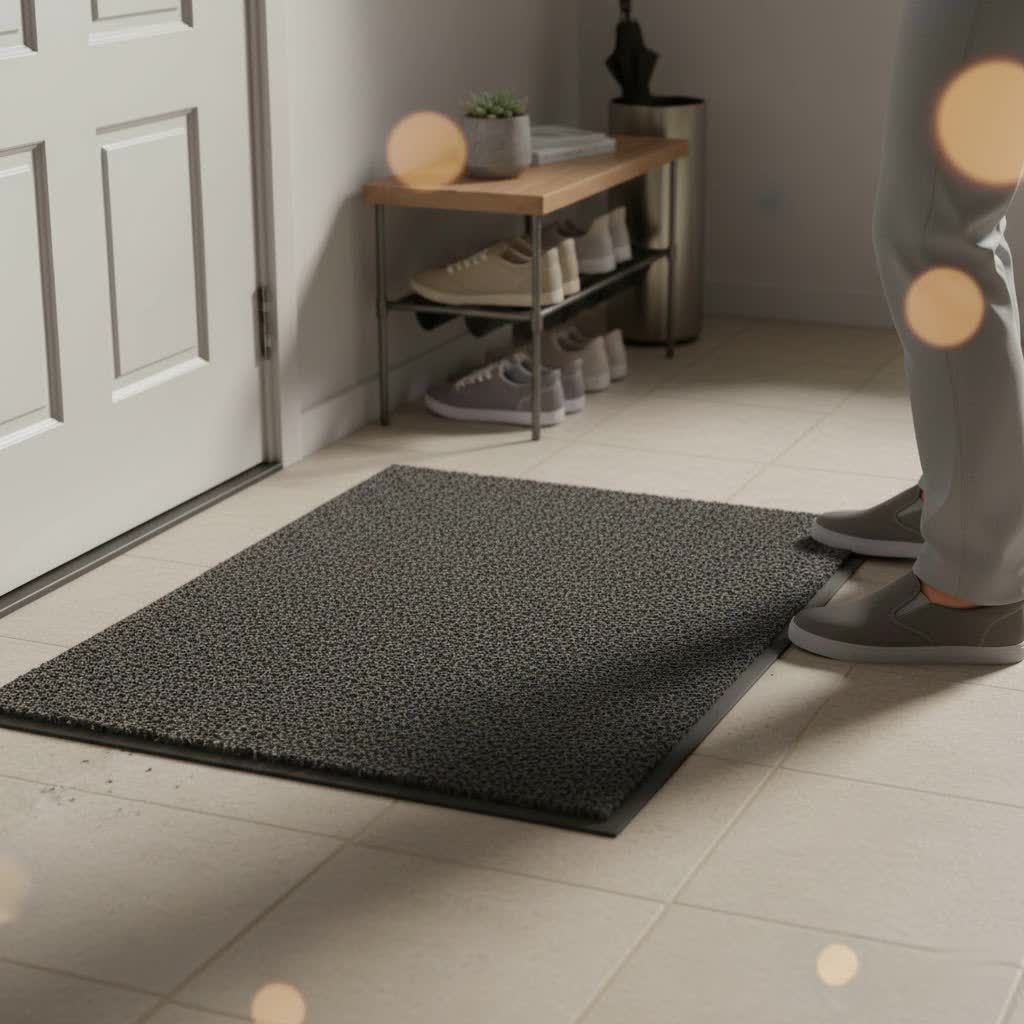
Winter’s embrace brings with it the beauty of freshly fallen snow, but also the persistent challenge of slippery ice and accumulating slush around your home. For years, the only remedies were back-breaking shoveling, scattering harsh chemical salts, or risking treacherous slips and falls. But what if there was a smarter, more effortless way to keep your entryways, walkways, and stairs clear? Enter the heated door mat, a revolutionary solution designed to melt away winter woes at your doorstep, offering unparalleled safety and convenience.
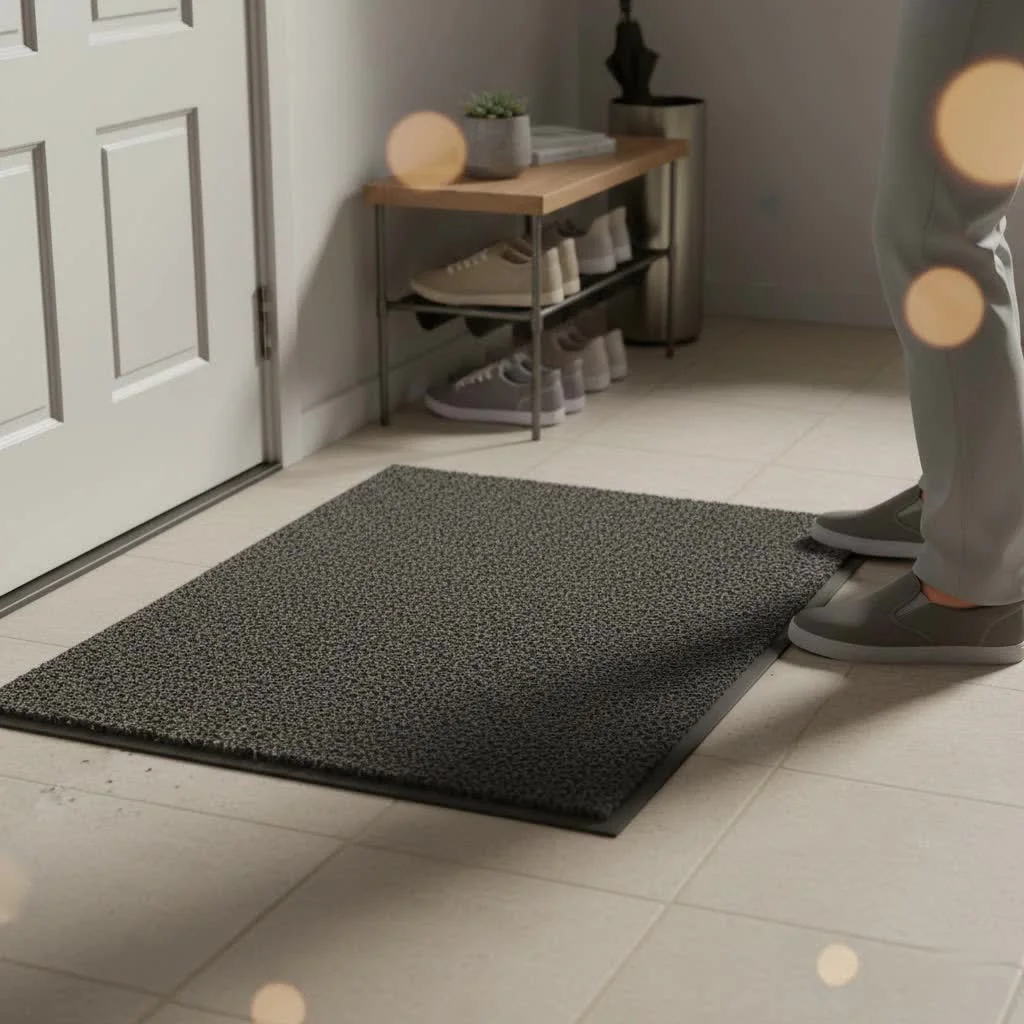
A heated door mat, often referred to as a snow or ice melting mat, is an innovative outdoor solution that utilizes embedded electrical heating elements to prevent the accumulation of snow and ice. These robust mats are typically made from durable, non-slip rubber or advanced thermoplastics, engineered to withstand harsh winter conditions. When plugged into a standard electrical outlet, these mats heat up to a consistent temperature, typically around 40 degrees Fahrenheit above the ambient air temperature, actively melting snow at a rate of approximately 2-3 inches per hour. This continuous warmth not only clears existing snow and ice but also prevents new precipitation from freezing, ensuring a clear and safe path at all times.
The Unmatched Benefits of Heated Door Mats
Heated door mats offer a compelling array of advantages that improve your winter experience from a chore into a seamless season of safety and comfort.
Enhanced Safety and Slip Prevention
The most critical benefit of a heated door mat is the significant reduction of slip-and-fall hazards. Icy patches and compacted snow are notorious for causing accidents, leading to injuries. By maintaining a clear, dry surface, these mats provide reliable traction, safeguarding everyone who walks across them, from family members to delivery personnel. This proactive approach to safety can offer immense peace of mind during the slipperiest months.
Unparalleled Convenience and Time-Saving
Imagine a winter morning where shoveling isn’t on your to-do list. Heated door mats eliminate the need for manual snow removal, freeing up valuable time and effort. No more wrestling with heavy shovels or rushing out in the cold before work. Simply plug in your mat, and let it work its magic, transforming icy stretches into safe, clear pathways without any physical exertion on your part.
Protection for Your Property and Environment
Unlike corrosive ice melts and salts that can damage concrete, landscaping, and harm pets, heated mats offer a clean, chemical-free alternative. They prevent the wear and tear on your outdoor surfaces caused by ice expansion and chemical degradation. By preventing ice buildup, they can indirectly help protect against issues like ice dams on roofs when used in appropriate areas.
Versatility for Various Outdoor Spaces
|
Our Picks for the Best Door Mat in 2026
As an Amazon Associate I earn from qualifying purchases.
|
||
| Num | Product | Action |
|---|---|---|
| 1 | OLANLY Front Door Mat Indoor Outdoor Entrance, Waterproof All-Season, All-Weather Doormat, Sturdy Natural Rubber, Fade Resistant, Low Profile, Easy Clean Patio Porch Entryway Mat, 29.5x17, Blue |

|
| 2 | Sturdy Front Door Mat, Absorbent Muddy Dirt Resist Welcome Door Mats Outdoor Indoor, Stain and Fade Resistant, Non-Slip Backing Entry Mat Low Profile Doormat for Entryway, 29×17, Coffee |
|
| 3 | OLANLY Front Door Mat Indoor Outdoor Entrance, Waterproof All-Season, All-Weather Doormat, Sturdy Natural Rubber, Fade Resistant, Low Profile, Easy Clean Patio Porch Entryway Mat, 29.5x17, Black |
|
| 4 | Sturdy Front Door Mat, Absorbent Muddy Dirt Resist Welcome Door Mats Outdoor Indoor, Stain and Fade Resistant, Non-Slip Backing Entry Mat Low Profile Doormat for Entryway, 29×17, Beige |
|
| 5 | OLANLY Front Door Mat Indoor Outdoor Entrance, Waterproof All-Season, All-Weather Doormat, Sturdy Natural Rubber, Fade Resistant, Low Profile, Easy Clean Patio Porch Entryway Mat, 29.5x17, Dark Grey |
|
| 6 | OLANLY Front Door Mat Indoor Outdoor Entrance, Waterproof All-Season, All-Weather Doormat, Sturdy Natural Rubber, Fade Resistant, Low Profile, Easy Clean Patio Porch Entryway Mat, 29.5x17, Brown |
|
| 7 | OLANLY Front Door Mat Indoor Outdoor Entrance, Waterproof All-Season, All-Weather Doormat, Sturdy Natural Rubber, Fade Resistant, Low Profile, Easy Clean Patio Porch Entryway Mat, 29.5x17, Dark Brown |
|
| 8 | Sturdy Front Door Mat, Absorbent Muddy Dirt Resist Welcome Door Mats Outdoor Indoor, Stain and Fade Resistant, Non-Slip Backing Entry Mat Low Profile Doormat for Entryway, 29×17, Black |
|
| 9 | OLANLY Front Door Mat Indoor Outdoor Entrance, Waterproof All-Season, All-Weather Doormat, Sturdy Natural Rubber, Fade Resistant, Low Profile, Easy Clean Patio Porch Entryway Mat, 29.5x17, Beige |
|
| 10 | Sturdy Front Door Mat, Absorbent Muddy Dirt Resist Welcome Door Mats Outdoor Indoor, Stain and Fade Resistant, Non-Slip Backing Entry Mat Low Profile Doormat for Entryway, 36×24, Blue |
|
Heated door mats are not just for your front door. Their modular design and varying sizes make them incredibly versatile for a multitude of outdoor applications. You can easily connect multiple mats to cover extended walkways, create safe stairways, or clear larger patio areas. This adaptability allows for a customized snow-melting system tailored to your specific property layout and needs.
Exploring Types and Features of Heated Door Mats
The world of heated door mats offers solutions for nearly every exterior challenge, categorized primarily by their application and advanced features.
Walkway and Pathway Mats
These larger, often rectangular mats are designed to create continuous clear paths across driveways, sidewalks, and garden paths. Many models feature a connectable design, allowing you to link multiple mats together using weather-resistant power units and extension cords. This modularity enables homeowners to customize the length and shape of their snow-free zones, adapting to unique property layouts. Look for models with reinforced grommet holes for optional securing to the ground, especially in windy conditions.
Stair Mats
Specifically shaped to fit individual stair treads, heated stair mats are essential for multi-level entryways and outdoor steps. They provide consistent heat to each step, eliminating hazardous icy patches that are particularly dangerous on inclines. Like walkway mats, stair mats often come with connecting cables, allowing you to create a complete, integrated system for your entire staircase. They are designed for maximum grip, preventing slippage even when the heating element is active.
Entryway and Standard Door Mats
While all heated mats can serve as an entrance mat, dedicated heated door mats are specifically sized to fit directly in front of your home’s main entry points. They ensure that the immediate threshold is always clear, preventing snow and ice from being tracked indoors. These often feature robust, industrial-grade rubber construction that can withstand heavy foot traffic and extreme temperatures. Some mats also include integrated on/off buttons for ease of use.
Advanced Features and Smart Technology
Modern heated door mats are evolving with intelligent features for enhanced convenience and efficiency. Some systems incorporate snow-sensing controllers that automatically activate the mats when moisture is detected and temperatures drop below a certain threshold, ensuring proactive snow melting. Wireless remote controls allow you to operate your mats from the comfort of indoors. Look for mats that boast advanced heating technologies, such as graphene elements, which claim faster and more even heat distribution compared to traditional wired systems.
“Investing in a quality heated door mat is a major upgrade for winter safety. It’s a proactive step that protects not just your property, but more importantly, the people who use your pathways.”
Your Comprehensive Buying Guide to Heated Door Mats
Choosing the right heated door mat involves considering several key factors to ensure you select a product that best suits your needs, climate, and budget.
Determine Your Usage Needs
Start by evaluating where you intend to place the mat. Will it be for a small front porch, a long winding walkway, or a set of outdoor stairs? Consider the typical amount of snowfall in your area, how frequently the area is used, and whether you need to clear an entire surface or just a specific path. This assessment will guide your decisions on size, connectivity, and heating power.
Material Quality and Durability
Heated outdoor mats must be built to endure harsh winter elements. Look for mats constructed from heavy-duty, weather-resistant materials such as industrial-grade rubber or specialized thermoplastics. The material should be inherently non-slip, even when wet, to maximize safety. Ensure the mat is fully waterproof and capable of withstanding extreme cold temperatures without cracking or becoming brittle.
Heating Performance and Energy Efficiency
Understand the mat’s heating capacity and energy consumption. Most effective mats melt snow at a rate of about 2 inches per hour and operate at approximately 40 watts per square foot, maintaining a surface temperature around 40°F (4.4°C) above ambient. While heated mats are electrically powered, many are designed to be energy-efficient compared to other snow removal methods, typically drawing between 90 to 190 watts. Evaluate the estimated running costs, often around $1 per day per mat, to factor into your seasonal budget.
Size, Shape, and Connectivity Options
Heated mats come in various standard sizes for walkways (e.g., 20×60 inches) and stairs (e.g., 10×30 inches). Measure your intended coverage area carefully. For larger spaces, consider systems that allow multiple mats to be connected to a single power unit. Verify the maximum number of mats or total amperage that a single power unit can support to ensure your desired configuration is feasible.
Essential Safety Features
Given they are electrical appliances used outdoors, safety is paramount. Look for mats that are UL or CSA certified, indicating they meet rigorous safety standards. A crucial feature is a Ground Fault Circuit Interrupter (GFCI) regulator, which protects against electrical shock in wet conditions. The power cords should be robust, watertight, and designed for outdoor use, with secure, weather-resistant connections.
Ease of Installation and Maintenance
Most heated mats are designed for simple plug-and-play installation. However, for extensive, interconnected systems, you might consider consulting an electrician to ensure proper setup and optimal performance. Maintenance is generally minimal, involving occasional cleaning to remove debris. Proper storage during off-season months, such as rolling them up and securing them, will prolong their lifespan.
Price and Warranty Considerations
Heated mats typically range from $50 to $350, depending on size, power, and features. While the initial investment might seem higher than a shovel or bag of salt, consider the long-term savings in labor, potential injury prevention, and property protection. Always check for manufacturer warranties, which often cover defects or malfunctions, offering additional assurance in your purchase.
Top Solutions for Winter Pathways
When navigating the market for heated door mats, several leading brands and product types consistently emerge as reliable choices for homeowners seeking to conquer winter.
Robust Rubber Walkway Systems
These systems, exemplified by brands like HeatTrak, are renowned for their heavy-duty rubber construction and ability to link together, forming extensive, clear pathways. They are highly durable, often UV-resistant, and feature a textured surface for superior grip, making them ideal for high-traffic areas during heavy snowfall. Their robust design makes them a popular choice for both residential and commercial applications.
Connectable Stair Tread Options
For ensuring every step is safe, heated stair mats are indispensable. Many brands offer individual stair mats that are easily connected to a central power unit. These provide targeted heat to each tread, making treacherous icy stairs a thing of the past. They are typically made from the same durable, slip-resistant rubber as walkway mats, ensuring consistent safety from ground level to your entryway.
Advanced Graphene Technology Mats
Emerging technologies like graphene heating elements are beginning to appear in the market, promising faster heat-up times and more uniform temperature distribution across the mat’s surface. While potentially a higher investment, these mats aim for maximum efficiency and performance, rapidly clearing snow and ice even in severe conditions. They represent the modern of heated mat technology for those seeking optimal results.
Conclusion
Embracing the convenience and safety of a heated door mat can truly improve your winter experience. By actively melting snow and ice, these innovative solutions eliminate the back-breaking labor of shoveling, reduce the need for harsh chemical de-icers, and most importantly, prevent dangerous slips and falls around your home. From individual mats for your doorstep to interconnected systems for extensive walkways and stairs, there’s a heated mat solution designed to keep your pathways clear, safe, and welcoming throughout the chilliest months. Bid farewell to winter’s icy grip and step confidently into a season of warmth and ease. Isn’t it time to upgrade your winter defense and enjoy peace of mind with every step?
Frequently Asked Questions
How much electricity does a heated outdoor mat use?
Heated outdoor mats are designed for efficiency, typically consuming between 90 to 190 watts. For context, this is significantly less than many space heaters. The running cost can average around $1 per day per mat, depending on local electricity rates and the mat’s specific power draw, making them a cost-effective alternative to continuous manual snow removal.
Can heated mats be left out all winter?
Yes, most heated outdoor mats are designed for continuous use throughout the winter season. They are constructed with durable, weather-resistant materials and often feature watertight designs and GFCI protection for safety. It’s often recommended to turn them on before snow begins to fall for optimal performance, and to leave them on for a few hours after snowfall stops to prevent re-freezing of melted water.
Are heated door mats safe for pets and children?
Absolutely. Quality heated door mats are engineered with safety in mind. They maintain a moderate surface temperature sufficient to melt snow and ice without posing a burn risk to pets or children. Unlike chemical ice melts, they are non-toxic, preventing any ingestion hazards for curious animals or kids. Look for UL or CSA certified mats to ensure they meet stringent safety standards.
How do I install a heated door mat system?
Installation is typically straightforward. Most heated door mats are plug-and-play, requiring only a standard outdoor electrical outlet. For larger systems involving multiple mats, they usually connect via proprietary watertight cables to a central power unit. Some mats may also include grommet holes, allowing you to secure them to the ground with fasteners, which is particularly useful in windy areas. For very extensive or complex setups, consulting an electrician is recommended.
Do heated mats prevent ice dams on roofs?
While the primary function of heated door mats is to clear ground-level pathways, specialized heated roof mats or cables are available specifically to prevent ice dams. Standard heated door mats are not designed for roof use. If ice dams are a concern, look for products explicitly manufactured for roof de-icing to ensure effective and safe operation.
Get our weekly buyer guide
Practical specs, not advice. Unsubscribe anytime.
