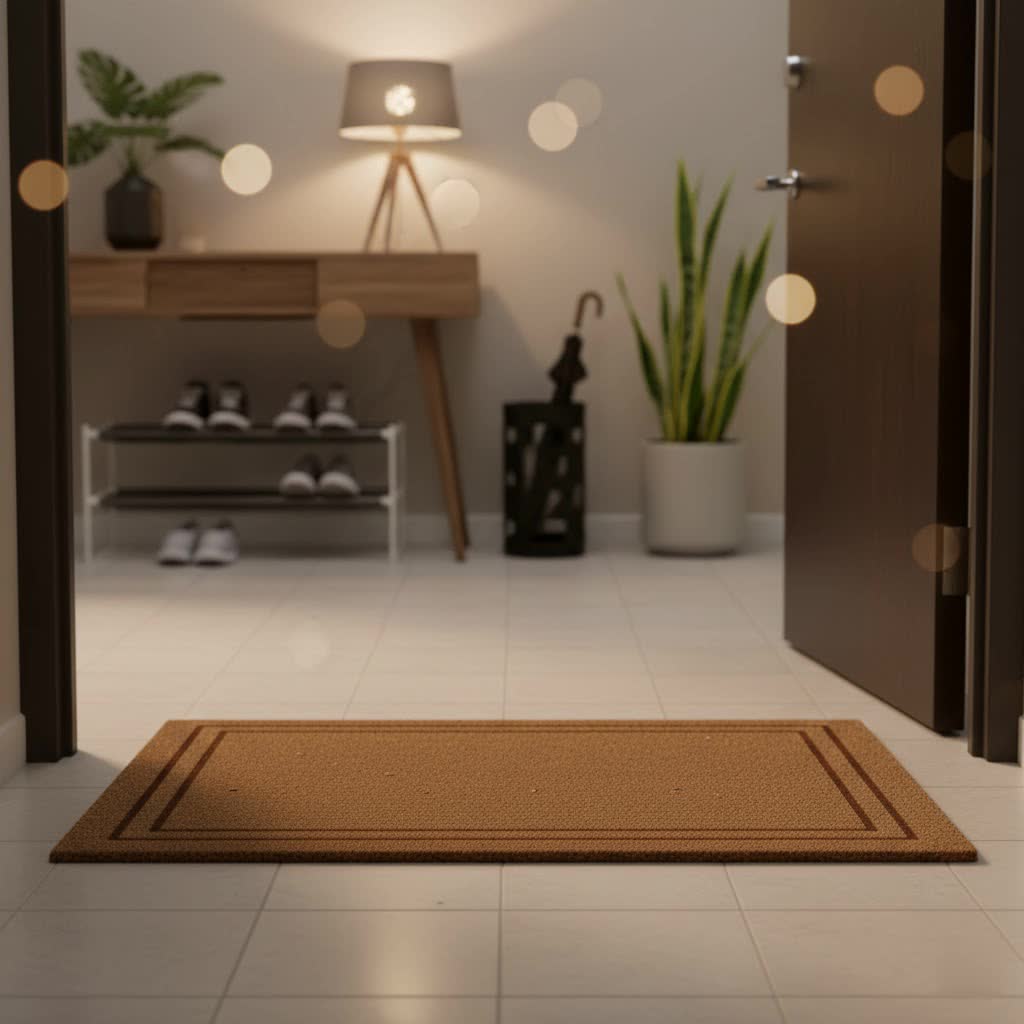
As the festive season approaches, transforming your home into a welcoming haven starts right at your doorstep. A holiday door mat is more than just a functional item; it’s a statement piece that sets the tone for your seasonal decor, greets guests with warmth, and keeps your interiors clean from the elements. Whether you’re aiming for a classic Christmas feel, a whimsical winter wonderland, or a subtle nod to the season, choosing the right mat can significantly enhance your home’s curb appeal and hospitality. This comprehensive guide will walk you through the various types, materials, and essential considerations to help you select the perfect holiday door mat for your unique space.
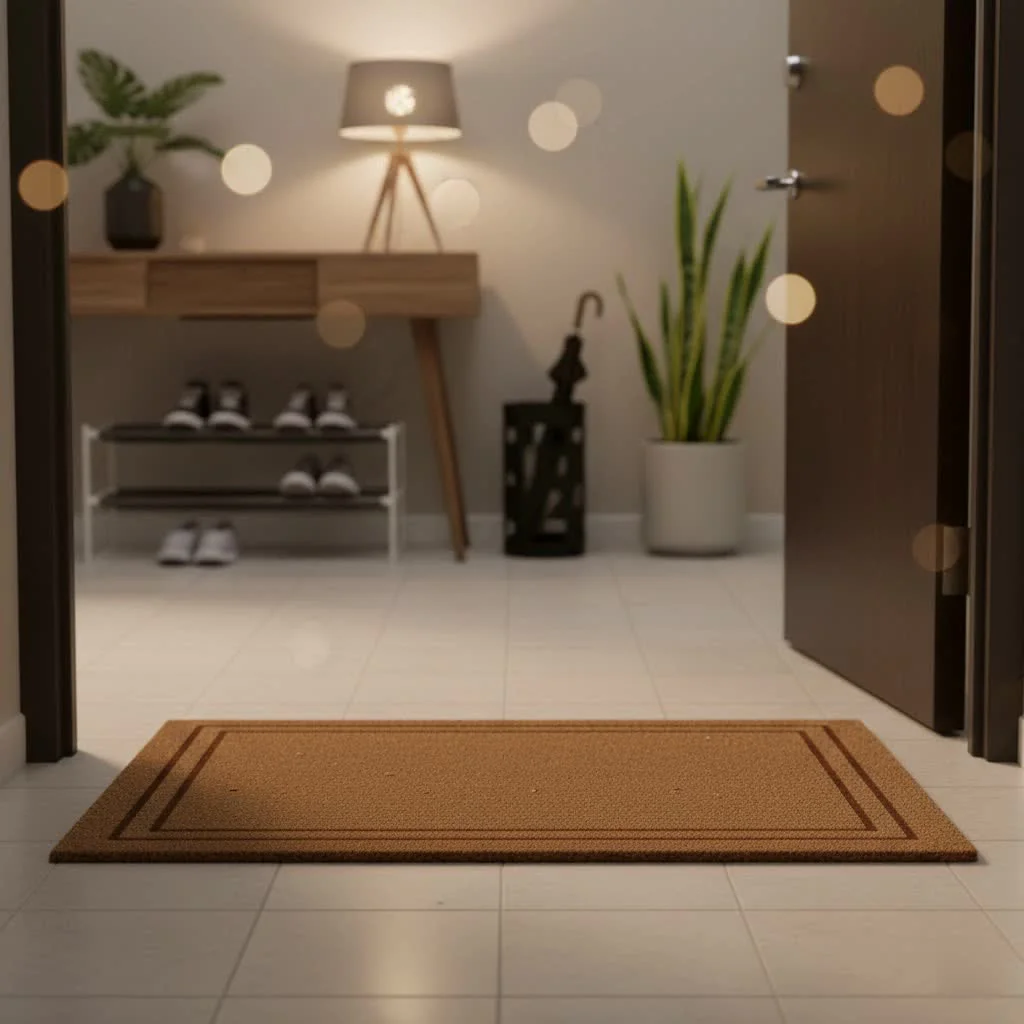
Popular Types of Holiday Door Mats
Holiday door mats come in a delightful array of materials, each offering distinct advantages in terms of durability, cleaning, and aesthetic appeal. Understanding these differences is key to making an informed choice that suits your specific needs and local climate.
Coir (Natural Fiber) Door Mats
Coir mats, derived from coconut husks, are a classic choice for outdoor use. They are known for their rough, stiff bristles which are excellent at scraping dirt, mud, and debris from shoes. This natural material brings a rustic, organic charm to any entryway.
- Pros: Highly effective at trapping dirt, naturally tough and weather-resistant, eco-friendly, classic aesthetic.
- Cons: Can shed fibers, may absorb moisture and take longer to dry, potential for mold in consistently damp environments if not properly cared for.
- Ideal for: Homes seeking a traditional look, areas with moderate foot traffic, and those prioritizing natural materials.
Synthetic Fiber Door Mats
Mats made from synthetic fibers like polypropylene, polyester, and nylon are popular for their vibrant designs and robust performance. These materials are engineered to withstand various weather conditions and resist common wear and tear.
- Pros: Excellent fade, mold, and mildew resistance, quick-drying, often highly durable, wide variety of colors and designs, easy to clean (often just hose off).
- Cons: Can sometimes look less “natural” than coir, material quality can vary.
- Ideal for: High-traffic areas, homes in wet or sunny climates, those desiring bold or intricate designs, and those seeking low-maintenance options.
Rubber Door Mats
Rubber mats are renowned for their exceptional durability and anti-slip properties. They often feature textured surfaces designed to trap moisture and provide superior traction, making them a safe choice for inclement weather.
- Pros: Extremely durable and long-lasting, excellent non-slip backing, effective at trapping moisture, easy to clean.
- Cons: Can be less decorative, may crack in extreme cold or get very hot in direct sun, can trap moisture underneath promoting mold growth on the underlying surface.
- Ideal for: Areas prone to heavy rain or snow, entrances requiring maximum safety, and those valuing extreme longevity.
Layered Door Mat Combinations
|
Our Picks for the Best Door Mat in 2026
As an Amazon Associate I earn from qualifying purchases.
|
||
| Num | Product | Action |
|---|---|---|
| 1 | Sturdy Front Door Mat, Absorbent Muddy Dirt Resist Welcome Door Mats Outdoor Indoor, Stain and Fade Resistant, Non-Slip Backing Entry Mat Low Profile Doormat for Entryway, 29×17, Black |

|
| 2 | OLANLY Front Door Mat Indoor Outdoor Entrance, Waterproof All-Season, All-Weather Doormat, Sturdy Natural Rubber, Fade Resistant, Low Profile, Easy Clean Patio Porch Entryway Mat, 29.5x17, Dark Grey |
|
| 3 | OLANLY Front Door Mat Indoor Outdoor Entrance, Waterproof All-Season, All-Weather Doormat, Sturdy Natural Rubber, Fade Resistant, Low Profile, Easy Clean Patio Porch Entryway Mat, 29.5x17, Dark Brown |
|
| 4 | OLANLY Front Door Mat Indoor Outdoor Entrance, Waterproof All-Season, All-Weather Doormat, Sturdy Natural Rubber, Fade Resistant, Low Profile, Easy Clean Patio Porch Entryway Mat, 29.5x17, Beige |
|
| 5 | OLANLY Front Door Mat Indoor Outdoor Entrance, Waterproof All-Season, All-Weather Doormat, Sturdy Natural Rubber, Fade Resistant, Low Profile, Easy Clean Patio Porch Entryway Mat, 29.5x17, Brown |
|
| 6 | OLANLY Front Door Mat Indoor Outdoor Entrance, Waterproof All-Season, All-Weather Doormat, Sturdy Natural Rubber, Fade Resistant, Low Profile, Easy Clean Patio Porch Entryway Mat, 29.5x17, Blue |
|
| 7 | Sturdy Front Door Mat, Absorbent Muddy Dirt Resist Welcome Door Mats Outdoor Indoor, Stain and Fade Resistant, Non-Slip Backing Entry Mat Low Profile Doormat for Entryway, 29×17, Beige |
|
| 8 | OLANLY Front Door Mat Indoor Outdoor Entrance, Waterproof All-Season, All-Weather Doormat, Sturdy Natural Rubber, Fade Resistant, Low Profile, Easy Clean Patio Porch Entryway Mat, 29.5x17, Black |
|
| 9 | Sturdy Front Door Mat, Absorbent Muddy Dirt Resist Welcome Door Mats Outdoor Indoor, Stain and Fade Resistant, Non-Slip Backing Entry Mat Low Profile Doormat for Entryway, 36×24, Blue |
|
| 10 | Sturdy Front Door Mat, Absorbent Muddy Dirt Resist Welcome Door Mats Outdoor Indoor, Stain and Fade Resistant, Non-Slip Backing Entry Mat Low Profile Doormat for Entryway, 29×17, Coffee |
|
While not a material type, layering a smaller holiday-themed mat over a larger, patterned rug (like buffalo plaid or a simple solid) is a popular trend. This adds depth, texture, and a customizable touch to your entryway.
- Pros: High aesthetic impact, allows for seasonal changes without replacing the base mat, adds extra dirt-trapping capacity.
- Cons: Requires two mats, may be higher maintenance.
- Ideal for: Homeowners who love to personalize their decor and create a grander entrance statement.
Comparison Table: Choosing Your Ideal Holiday Door Mat
| Type of Mat | Pros | Cons | Best Suited For |
|---|---|---|---|
| Coir | Effective dirt scraping, natural, weather-resistant | Sheds, slower drying, can mold in damp areas if not cared for | Traditional aesthetics, moderate traffic, natural decor lovers |
| Synthetic | Fade/mold-resistant, quick-drying, durable, diverse designs | May look less natural, quality varies | High-traffic, all-weather conditions, vibrant designs |
| Rubber | Highly durable, excellent non-slip, easy to clean | Limited designs, can crack in cold/heat, traps moisture underneath | Safety-focused, high moisture areas, heavy-duty use |
How to Choose the Perfect Holiday Door Mat (Buying Guide)
Selecting a holiday door mat goes beyond just picking a festive design. Consider these factors to ensure your choice is both beautiful and functional for the entire season.
1. Determine Your Usage Needs
Start by assessing where the mat will be placed and its primary function.
- Location: Will it be indoors or outdoors? Outdoor mats need to be robust and weather-resistant, while indoor mats can prioritize softness and intricate designs.
- Foot Traffic: High-traffic areas (main entrance) demand highly durable materials like synthetic fibers or rubber. Less-used entrances might allow for more delicate coir or decorative options.
- Purpose: Is it purely for decoration, or do you need it to effectively scrape dirt and absorb moisture? Materials like coir excel at scraping, while synthetic options are great for shedding moisture quickly.
2. Select the Right Material
Review the pros and cons of coir, synthetic, and rubber mats.
- Durability: For a mat that lasts multiple seasons, synthetic fibers and heavy-duty rubber are excellent choices. Coir, when well-maintained, also offers good longevity.
- Weather Resistance: If your entryway is exposed to rain, snow, or direct sunlight, opt for materials designed to resist fading, mold, and mildew, such as treated coir or synthetic performance fibers.
- Cleaning: Consider how easy the mat is to clean. Many synthetics and rubber mats can be hosed off, while coir often requires shaking or vacuuming.
3. Consider Size and Shape
The right dimensions and form can significantly impact the overall look and functionality of your entryway.
- Size: A common size for single doors is 18″ x 30″. For wider entrances or double doors, consider larger options (e.g., 24″ x 36″) to ensure guests have ample space to wipe their feet. The mat should be at least as wide as your doorframe, or ideally, 80% of its width.
- Shape: Rectangular mats are the most common and versatile. Half-round or circular mats can add a unique, softer touch, especially with layered designs.
4. Harmonize with Your Home’s Style and Holiday Theme
Your holiday door mat should complement your existing decor and convey your desired festive spirit.
- Colors & Patterns: Match the mat’s colors and patterns with your wreaths, garlands, and other outdoor decorations for a cohesive look. Classic red and green, elegant metallics, or rustic plaids all offer different vibes.
- Theme: Decide if you want a mat specific to Christmas (Santa, reindeer, “Merry Christmas”), a broader winter theme (snowflakes, evergreens, “Let It Snow”), or something more whimsical. Personalized mats with family names or initial monograms add a unique, welcoming touch.
5. Durability and Maintenance
Even the toughest mats need a little care to last.
- Non-slip backing: Essential for safety, especially on wet or icy surfaces. Look for mats with rubber or PVC backing.
- Cleaning routine: Regular shaking or a quick hose-down can extend the life and appearance of most outdoor mats.
Popular Holiday Door Mat Themes
The beauty of holiday door mats lies in their ability to express festive cheer through diverse themes and designs.
- Classic Christmas Themes: Embrace timeless motifs like cheerful Santas, majestic reindeer, glistening snowflakes, and traditional “Merry Christmas” or “Happy Holidays” greetings. These designs evoke nostalgic warmth and familiar comfort.
- Whimsical & Fun: For a playful touch, choose mats featuring gingerbread houses, comical gnomes, playful penguins, or even famous holiday movie quotes that add a dash of humor and personality.
- Personalized & Monogrammed: Make your home truly unique with mats customized with your family name, initial, or a special holiday message. These mats often become cherished keepsakes.
- Winter Wonderland: Beyond specific holidays, winter-themed mats with evergreens, cozy cabins, or “Let It Snow” messages offer a longer-lasting seasonal appeal that can extend from late autumn through early spring.
- Subtle Elegance: For a more understated look, opt for mats with sophisticated patterns like plaids, subtle metallic accents, or minimalist designs that convey festivity without being overtly thematic.
Conclusion
A well-chosen holiday door mat is an indispensable element of your seasonal decor, serving both a practical and aesthetic purpose. By carefully considering materials, durability, style, and personal preferences, you can find a mat that not only protects your home from the elements but also extends a warm, festive welcome to everyone who approaches your door. Investing in a quality holiday door mat means creating lasting memories and an inviting atmosphere year after year. So, what festive statement will your entryway make this holiday season?
Frequently Asked Questions
What is the best material for an outdoor holiday door mat in snowy weather?
For snowy and wet weather, mats made from durable synthetic fibers like polypropylene or heavy-duty rubber are highly recommended. These materials are generally water-resistant, fast-drying, and offer good traction, helping to prevent slips and effectively trap slush and debris before it enters your home.
How often should I replace my holiday door mat?
The lifespan of a holiday door mat depends largely on its material quality, exposure to elements, and foot traffic. High-quality coir or synthetic mats can last for several seasons with proper care. If your mat shows signs of significant wear, fading, fraying, or reduced dirt-trapping ability, it’s a good indication that it’s time for a replacement.
Can I use a holiday door mat indoors?
While most holiday door mats are designed for outdoor use, many can also be placed indoors, especially those with softer synthetic fibers or a fabric surface. When using indoors, ensure it has a non-slip backing to prevent movement and potential hazards on hard floors.
How do I clean my holiday door mat?
Cleaning methods vary by material. Coir mats can typically be shaken out vigorously or vacuumed to remove trapped dirt and debris. Synthetic and rubber mats are often easier to clean and can be hosed off with water, scrubbed with a brush and mild soap, and then allowed to air dry thoroughly. Always check the manufacturer’s care instructions for best results.
Get our weekly buyer guide
Practical specs, not advice. Unsubscribe anytime.
