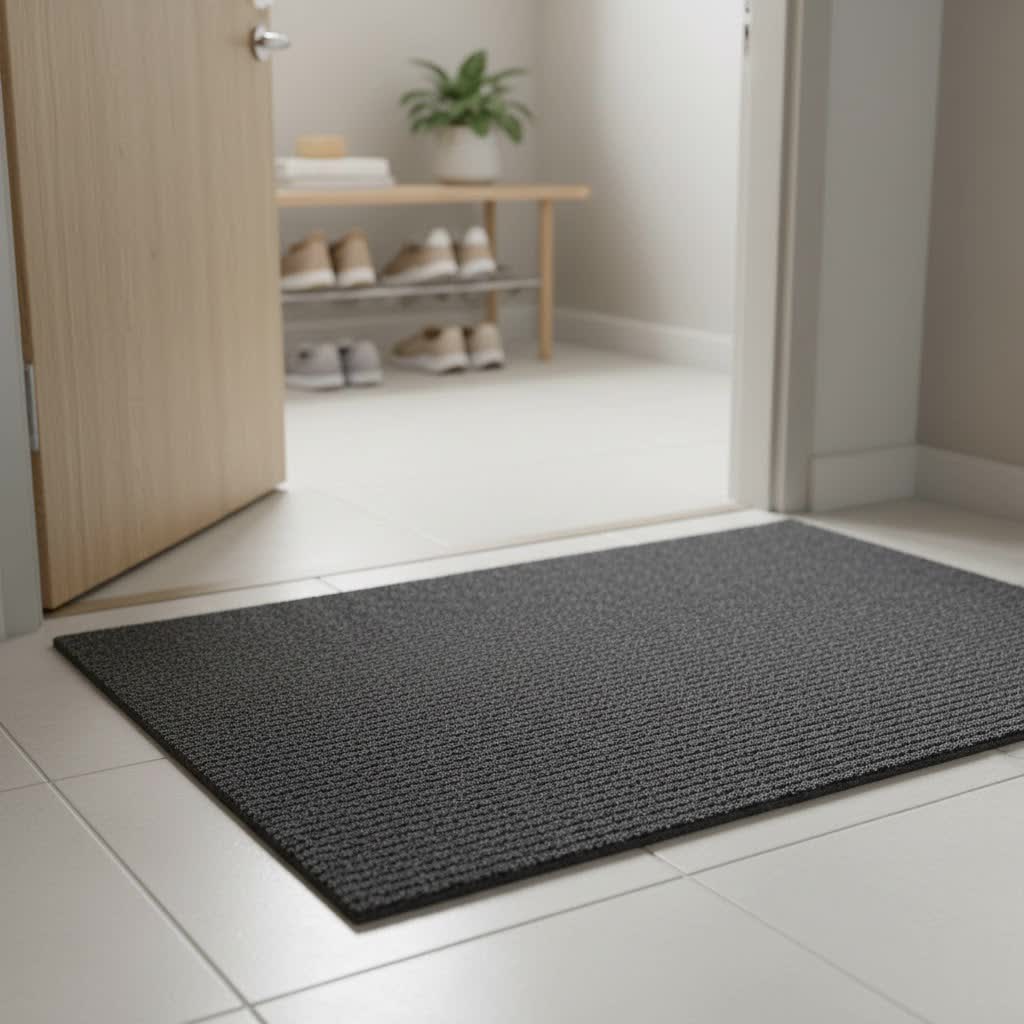
Stepping into your home, what’s the very first thing that greets you? Often, it’s the humble indoor front door mat – an unsung hero that sets the tone for your entire living space. More than just a welcome mat, this essential item acts as your home’s primary defense against dirt, moisture, and debris, all while adding a touch of personality and ensuring safety. With countless options available, finding the ideal mat that balances aesthetic appeal with practical functionality can feel daunting. But fear not, as we unravel the world of indoor front door mats, guiding you through materials, sizes, styles, and crucial maintenance tips to help you make the best choice for your sanctuary.
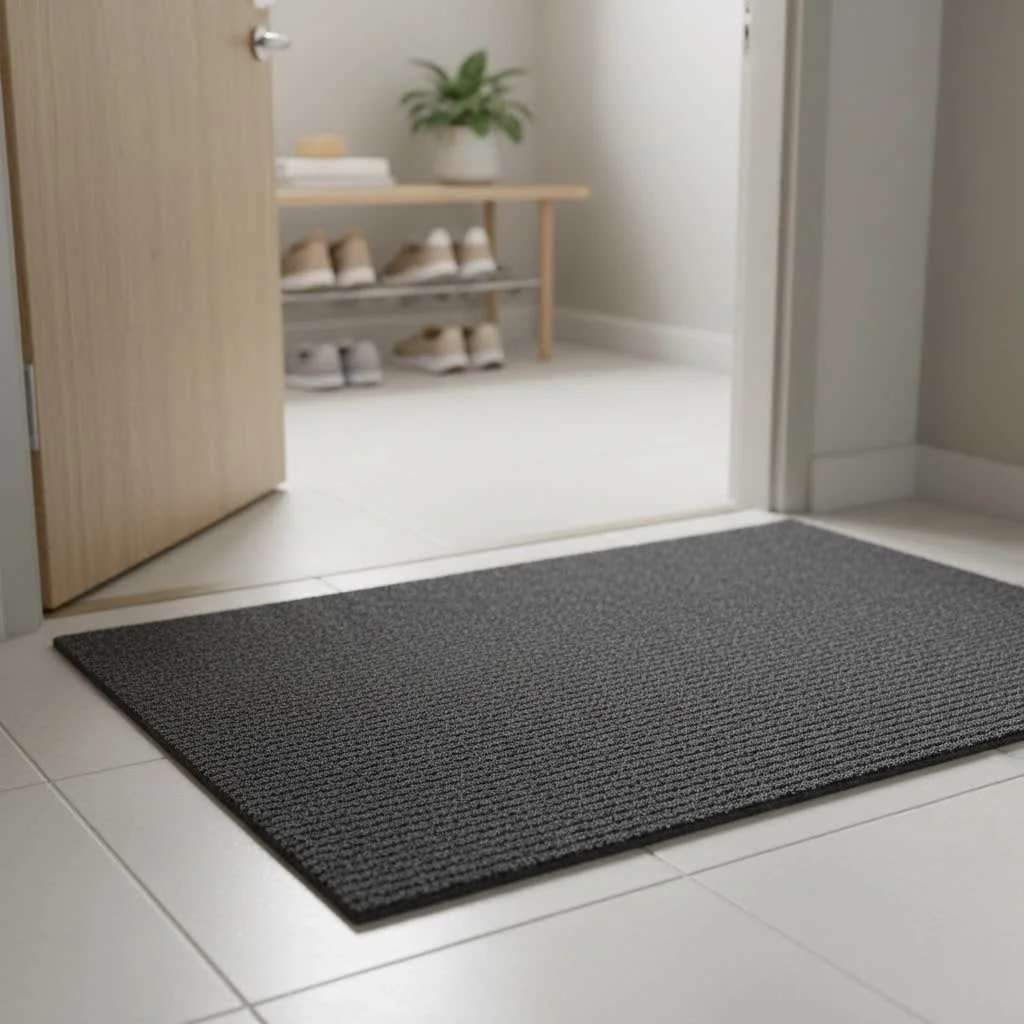
Popular Types of Indoor Front Door Mats
Indoor front door mats are crafted from a variety of materials, each offering unique benefits tailored to different needs and preferences. Understanding these types is the first step in selecting a mat that truly serves its purpose.
Synthetic Fiber Mats (Polyester, Nylon, Polypropylene)
Synthetic mats, commonly made from polyester, nylon, or polypropylene, are champions of durability and practicality. These materials are engineered to withstand significant foot traffic, resist stains, and maintain their color over time, even in sun-drenched entryways. Polypropylene, in particular, is renowned for its robust scraping capabilities, effectively removing grit and grime from shoes. Many synthetic options are also designed to be low-profile, preventing your door from catching as it opens and closes. Their ease of cleaning, often requiring just a vacuum or a simple shake, makes them a go-to for busy households.
Natural Fiber Mats (Cotton, Jute, Blends)
For those who lean towards a more organic and inviting aesthetic, natural fiber mats offer a wonderful alternative. Cotton mats are prized for their softness underfoot and excellent absorbency, making them ideal for soaking up moisture. Jute mats, derived from natural plant fibers, bring an earthy charm and a textured surface that can help trap dirt, though they generally prefer drier conditions. While materials like coir are traditionally used for outdoor mats due to their coarse, abrasive nature, some finely woven or blended natural fiber mats are designed specifically for indoor use, offering a blend of durability and eco-friendliness.
Rubber-Backed and Blended Mats
The secret to a truly effective indoor front door mat often lies in its backing. Rubber-backed mats provide superior anti-slip grip, ensuring the mat stays firmly in place on any floor type, preventing accidents. These mats frequently feature a top layer of absorbent synthetic or blended fibers, combining the best of both worlds: a robust surface to clean shoes and a waterproof barrier to protect your floors from tracked-in wetness. While they might be heavier than other types and some may have an initial rubber scent, their stability and protective qualities are unmatched, making them suitable for all entryways, especially those exposed to wet weather.
Comparing Indoor Front Door Mat Materials
Choosing the right material means weighing its advantages against potential drawbacks, considering your specific needs.
| Type of Mat | Key Advantages | Potential Drawbacks | Ideal For |
|---|---|---|---|
| Synthetic (Nylon, Polyester, Polypropylene) | High durability, stain and fade resistance, easy care, excellent dirt trapping. | Less natural feel for some, can be less absorbent than pure cotton. | High-traffic areas, busy households, modern decor, wet conditions. |
| Natural (Cotton, Jute) | Soft underfoot, eco-friendly options, warm aesthetic, good moisture absorption (cotton). | May require more specific cleaning, less robust for heavy scraping. | Moderate traffic, natural home aesthetics, drier climates, comfort focus. |
| Rubber-Backed/Blended | Superior non-slip grip, effective moisture barrier, enhanced durability, combines benefits of top layer. | Heavier, potential rubber odor initially, less aesthetic variety in backing material. | All entryways, especially those prone to wetness or needing maximum stability and floor protection. |
Your Guide to Choosing the Best Indoor Front Door Mat
Selecting the perfect indoor front door mat involves more than just picking one that looks nice. A thoughtful choice will enhance your home’s cleanliness, safety, and overall aesthetic appeal.
1. Assess Your Entryway’s Needs
|
Our Picks for the Best Door Mat in 2026
As an Amazon Associate I earn from qualifying purchases.
|
||
| Num | Product | Action |
|---|---|---|
| 1 | OLANLY Front Door Mat Indoor Outdoor Entrance, Waterproof All-Season, All-Weather Doormat, Sturdy Natural Rubber, Fade Resistant, Low Profile, Easy Clean Patio Porch Entryway Mat, 29.5x17, Dark Brown |

|
| 2 | OLANLY Front Door Mat Indoor Outdoor Entrance, Waterproof All-Season, All-Weather Doormat, Sturdy Natural Rubber, Fade Resistant, Low Profile, Easy Clean Patio Porch Entryway Mat, 29.5x17, Blue |
|
| 3 | Sturdy Front Door Mat, Absorbent Muddy Dirt Resist Welcome Door Mats Outdoor Indoor, Stain and Fade Resistant, Non-Slip Backing Entry Mat Low Profile Doormat for Entryway, 36×24, Blue |
|
| 4 | Sturdy Front Door Mat, Absorbent Muddy Dirt Resist Welcome Door Mats Outdoor Indoor, Stain and Fade Resistant, Non-Slip Backing Entry Mat Low Profile Doormat for Entryway, 29×17, Coffee |
|
| 5 | Sturdy Front Door Mat, Absorbent Muddy Dirt Resist Welcome Door Mats Outdoor Indoor, Stain and Fade Resistant, Non-Slip Backing Entry Mat Low Profile Doormat for Entryway, 29×17, Beige |
|
| 6 | Sturdy Front Door Mat, Absorbent Muddy Dirt Resist Welcome Door Mats Outdoor Indoor, Stain and Fade Resistant, Non-Slip Backing Entry Mat Low Profile Doormat for Entryway, 29×17, Black |
|
| 7 | OLANLY Front Door Mat Indoor Outdoor Entrance, Waterproof All-Season, All-Weather Doormat, Sturdy Natural Rubber, Fade Resistant, Low Profile, Easy Clean Patio Porch Entryway Mat, 29.5x17, Beige |
|
| 8 | OLANLY Front Door Mat Indoor Outdoor Entrance, Waterproof All-Season, All-Weather Doormat, Sturdy Natural Rubber, Fade Resistant, Low Profile, Easy Clean Patio Porch Entryway Mat, 29.5x17, Dark Grey |
|
| 9 | OLANLY Front Door Mat Indoor Outdoor Entrance, Waterproof All-Season, All-Weather Doormat, Sturdy Natural Rubber, Fade Resistant, Low Profile, Easy Clean Patio Porch Entryway Mat, 29.5x17, Black |
|
| 10 | OLANLY Front Door Mat Indoor Outdoor Entrance, Waterproof All-Season, All-Weather Doormat, Sturdy Natural Rubber, Fade Resistant, Low Profile, Easy Clean Patio Porch Entryway Mat, 29.5x17, Brown |
|
Begin by evaluating the specific demands of your entryway. Consider the traffic level – is it a high-traffic zone with kids and pets, a moderately busy area, or a quiet entrance? Think about the mat’s primary purpose: is it mainly for scraping dirt, absorbing moisture, or purely for decoration? Also, factor in environmental conditions, such as how close it is to the outdoors and if it gets direct sunlight or is prone to splashes.
2. Select the Right Material
The material is paramount to a mat’s performance. For durability in high-traffic areas, synthetics like nylon or polypropylene are excellent choices. If moisture absorption is a priority, especially during rainy or snowy seasons, cotton or high-pile synthetic mats work wonders. For ease of cleaning, many synthetic and cotton mats are machine washable, while others simply need a quick vacuum or shake. Consider the texture – some prefer abrasive surfaces for aggressive dirt scraping, while others prioritize a soft, welcoming feel.
3. Consider Size and Thickness
Size matters for both functionality and aesthetics. A good rule of thumb is for the mat to cover at least 80% of your door’s width. For a standard 3-foot wide door, this means a mat approximately 29 inches across or wider. Ensure the mat is long enough to allow for two to three steps, providing ample opportunity for shoes to be cleaned effectively. Crucially, pay attention to thickness (or “low profile”) to ensure your door glides smoothly over the mat without snagging.
4. Harmonize with Your Home’s Style
Your indoor front door mat is a piece of decor. Choose colors and patterns that complement your existing interior design, whether you prefer a subtle blend or a bold statement. Rectangular mats are standard, but don’t shy away from semi-circle, oval, or unique shapes if they fit your space and style. The mat should contribute to your home’s overall aesthetic, be it modern, traditional, rustic, or minimalist.
5. Don’t Forget Essential Features
Beyond aesthetics, certain features significantly enhance a mat’s performance and safety. A non-slip backing is absolutely critical, especially on hard floors, to prevent the mat from shifting and causing trips. For homes in wet climates, water-resistance or waterproof qualities will protect your floors from damage. Lastly, ease of maintenance, such as being machine washable or easy to vacuum, will save you time and keep your entryway looking fresh.
Top Indoor Front Door Mats to Consider
While specific product names can change, certain types of mats consistently deliver on performance and style. Here are a few categories that stand out:
The All-Weather Champion: For Ultimate Protection
These mats feature robust synthetic fibers with deep grooves or patterns, paired with a heavy-duty rubber backing. They excel at scraping off mud, trapping moisture, and staying put, making them ideal for homes in climates with varied weather conditions and high foot traffic. Their construction ensures durability and floor protection.
The Stylish & Slim: Blending Form and Function
Designed with an ultra-thin profile, these mats are perfect for doors with minimal clearance, ensuring smooth operation. Often crafted from high-quality polyester or nylon, they offer sophisticated patterns and colors that enhance your entryway’s decor while still providing decent absorbency and dirt-trapping capabilities.
The Eco-Friendly Comfort: Natural Touch, Easy Care
For those who prioritize sustainability and a soft feel, these mats typically boast 100% cotton or jute construction. They offer a warm, inviting aesthetic and are often machine washable for effortless maintenance. While excellent for comfort and light moisture, they might be best suited for moderate traffic areas or as a stylish secondary mat.
Conclusion
Choosing the right indoor front door mat is a small decision with a big impact on your home. It’s a strategic investment in cleanliness, safety, and curb appeal, acting as a silent guardian against the elements and a warm welcome to all who enter. By understanding the diverse materials, considering your entryway’s unique demands, and paying attention to details like size and non-slip features, you can confidently select a mat that not only meets your practical needs but also beautifully reflects your personal style. Invest wisely, and enjoy a cleaner, safer, and more inviting home from the very first step.
What kind of first impression will your indoor front door mat make?
Frequently Asked Questions
How often should I clean my indoor front door mat?
The frequency of cleaning depends on traffic and weather. High-traffic mats, especially during wet or snowy seasons, might need daily shaking or vacuuming and a deeper wash weekly or bi-weekly. Lighter use mats can typically be cleaned every 1-2 weeks.
Can indoor front door mats be machine washed?
Many synthetic fiber mats and some natural fiber mats (like cotton) are designed to be machine washable. Always check the manufacturer’s care instructions to ensure proper cleaning and to avoid damaging the mat.
What’s the best material for trapping dirt and moisture?
For effective dirt and moisture trapping, synthetic fibers like polypropylene, nylon, and polyester are highly recommended due to their dense pile and robust scraping abilities. Some natural fibers, like jute, also offer good dirt-trapping texture.
How do I choose the right size indoor front door mat?
Aim for a mat that is at least 80% as wide as your door. For a standard 3-foot door, this means a mat around 29 inches or wider. It should also be long enough to allow for two to three steps to maximize shoe cleaning.
Are low-profile mats effective for dirt trapping?
Yes, many low-profile mats are highly effective. Modern designs use dense, textured synthetic fibers that can efficiently scrape and trap dirt and moisture despite their thinness. Their main benefit is allowing doors to open and close without obstruction.
What is the purpose of a rubber backing on an indoor mat?
A rubber backing serves two crucial purposes: it provides a strong non-slip grip, preventing the mat from sliding on hard floors and enhancing safety, and it acts as a moisture barrier, preventing tracked-in water from seeping through to your floor.
Get our weekly buyer guide
Practical specs, not advice. Unsubscribe anytime.

This post helped me finally decide on a microfiber mat for my front door. The absorbency is incredible, and it’s so soft! I also loved the advice on regular vacuuming and shaking out the mat; it’s made a big difference in keeping it looking fresh. My entryway has never looked better.
The guide was pretty good, but I was a little disappointed with the coir mat I bought based on the durability claims. While it looks great, it sheds a bit more than I expected, and I’m constantly sweeping around it. It’s fine for light traffic, but maybe not ideal for a busy entryway like mine.
I really appreciated the tips on sizing. I always just grabbed whatever looked good, but understanding how the mat should fit the doorway made a huge difference. My new polypropylene mat fits perfectly and really helps keep the dirt from spreading. It’s also surprisingly soft underfoot!
I’ve been looking for a new indoor mat for ages and this was so helpful! I ended up getting a cotton blend mat, and it’s perfect for absorbing all the rain and mud my kids track in. It’s also super easy to toss in the wash, which was a huge selling point for me. Definitely recommend paying attention to the material types mentioned.