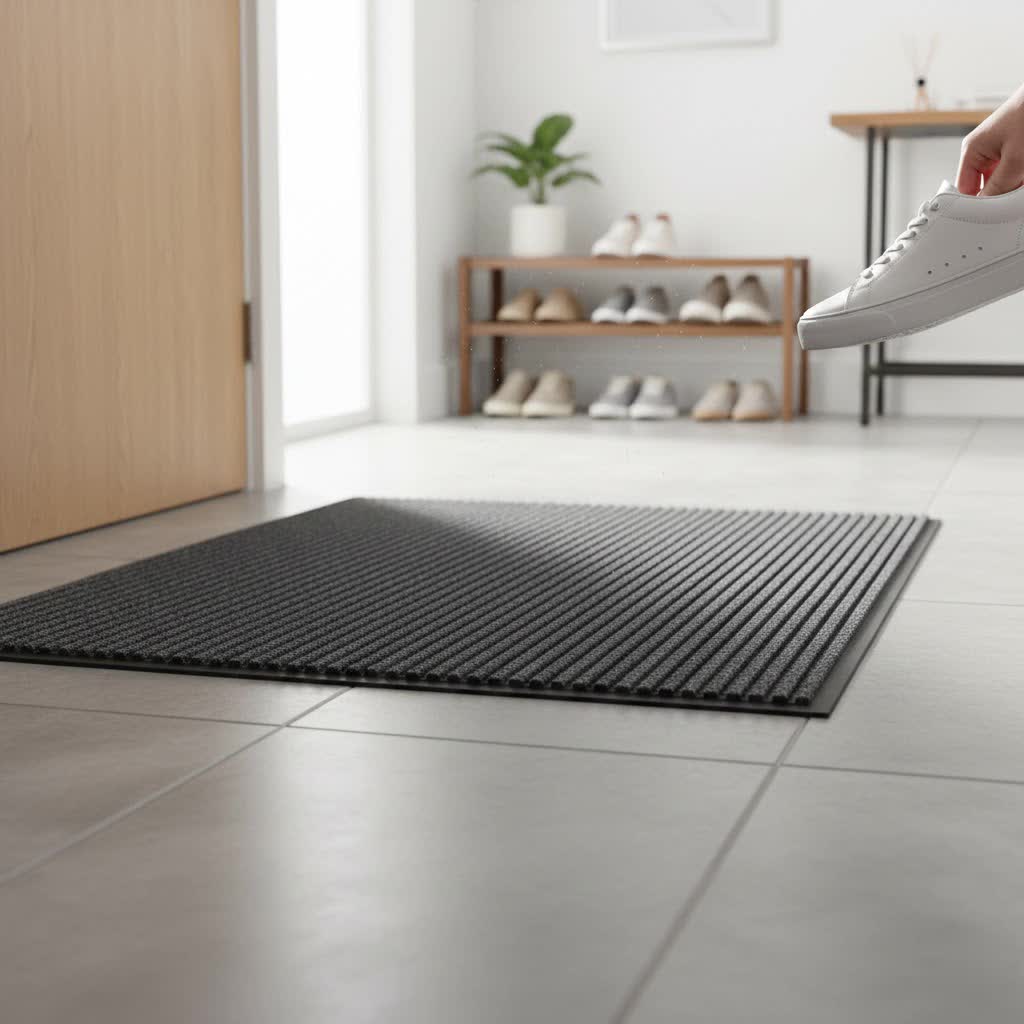
Stepping into your home should always feel like a welcoming embrace, a transition from the outside world to your personal sanctuary. Yet, often overlooked, the inside front door mat plays a pivotal role in this experience, serving as your home’s first line of defense against dirt and moisture while simultaneously setting the tone for your interior design. Far more than just a functional item, a well-chosen mat safeguards your floors and enhances your entryway’s aesthetic appeal, making a lasting first impression on anyone who crosses your threshold.
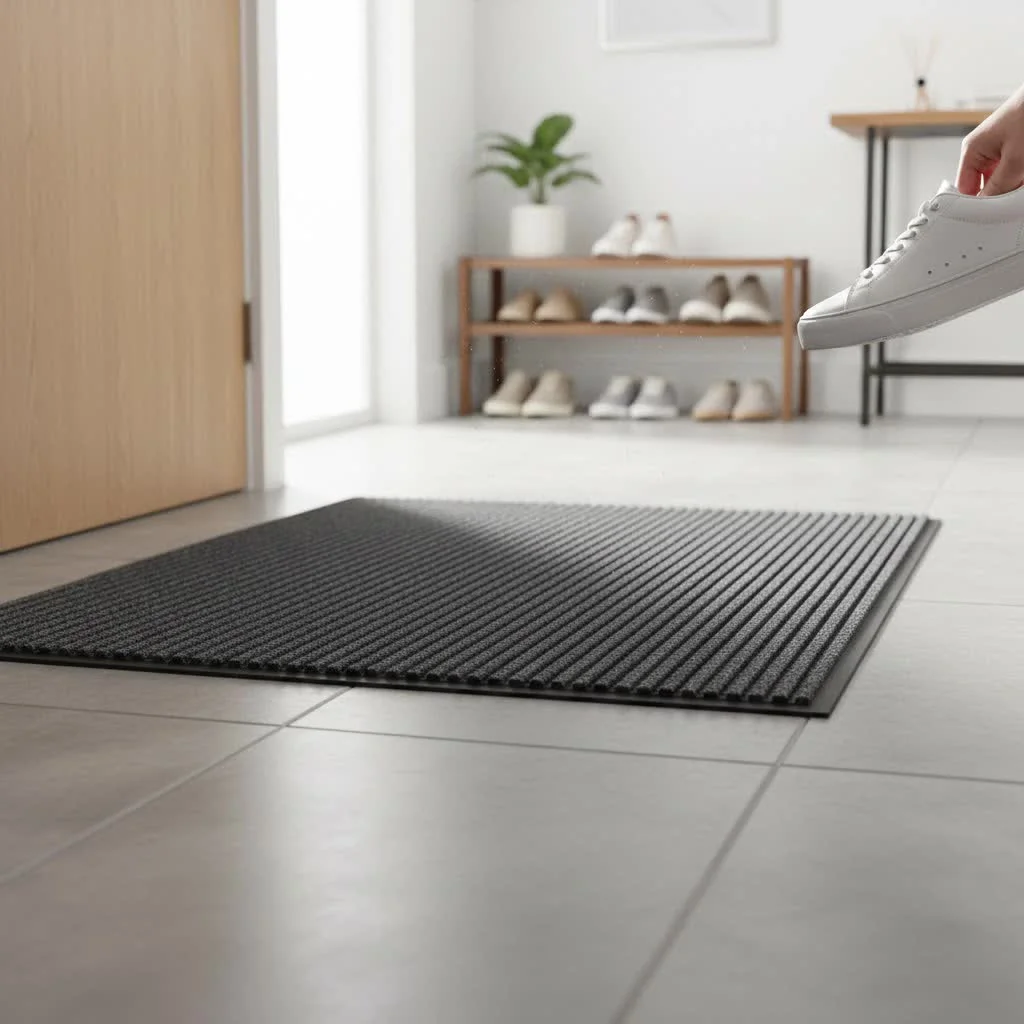
Selecting the perfect inside front door mat can seem daunting with countless options available, but understanding the key features and materials will guide you to an ideal choice. It’s about finding that sweet spot where practicality meets style, ensuring your entrance remains pristine and inviting, no matter what the day brings in from outside. For best home decor roundups on this site.
Types of Inside Front Door Mats
The material of your inside front door mat largely dictates its performance, durability, and aesthetic. Understanding the common types available will help you match a mat to your specific needs and decor.
Synthetic Fiber Mats (Polypropylene, Polyester, Nylon, Microfiber)
Synthetic fiber mats are a popular choice for their versatility and robust performance. Polypropylene mats are known for being water-resistant, stain-resistant, and tough, making them excellent for busy households that experience high foot traffic. Polyester and nylon blends offer similar durability, resist fading, and hold up well in various climates. Many modern synthetic mats also feature a low pile, allowing doors to open and close without snagging. Microfiber is a standout synthetic option, exceptionally soft and highly absorbent, making it ideal for trapping moisture and fine dirt particles.
- Pros: Durable, often stain-resistant, fade-resistant, easy to clean (many are machine washable), quick-drying (especially nylon/polyester), excellent for trapping moisture (microfiber), wide variety of styles and colors.
- Cons: Can sometimes feel less luxurious than natural fibers, may not offer the same robust scraping action as coir.
Natural Fiber Mats (Coir, Cotton)
For those who appreciate an organic feel and rustic charm, natural fiber mats are an appealing option. Coir mats, made from coconut husks, are traditionally rugged and highly effective at scraping dirt and debris from shoes. Their coarse texture makes them excellent for cleaning off mud and larger particles. Cotton mats, on the other hand, offer a softer underfoot feel and are naturally absorbent, perfect for drying wet shoes and adding a cozy touch.
- Pros: Eco-friendly (coir), excellent scraping ability (coir), highly absorbent and soft (cotton), adds natural texture and warmth.
- Cons: Coir can shed fibers and is best suited for drier indoor areas as prolonged wetness can cause damage; cotton can take longer to dry and may be prone to mildew if not cared for properly.
Rubber Mats (or Rubber-Backed Mats)
|
Our Picks for the Best Door Mat in 2026
As an Amazon Associate I earn from qualifying purchases.
|
||
| Num | Product | Action |
|---|---|---|
| 1 | OLANLY Front Door Mat Indoor Outdoor Entrance, Waterproof All-Season, All-Weather Doormat, Sturdy Natural Rubber, Fade Resistant, Low Profile, Easy Clean Patio Porch Entryway Mat, 29.5x17, Dark Grey |

|
| 2 | Sturdy Front Door Mat, Absorbent Muddy Dirt Resist Welcome Door Mats Outdoor Indoor, Stain and Fade Resistant, Non-Slip Backing Entry Mat Low Profile Doormat for Entryway, 29×17, Black |
|
| 3 | OLANLY Front Door Mat Indoor Outdoor Entrance, Waterproof All-Season, All-Weather Doormat, Sturdy Natural Rubber, Fade Resistant, Low Profile, Easy Clean Patio Porch Entryway Mat, 29.5x17, Brown |
|
| 4 | OLANLY Front Door Mat Indoor Outdoor Entrance, Waterproof All-Season, All-Weather Doormat, Sturdy Natural Rubber, Fade Resistant, Low Profile, Easy Clean Patio Porch Entryway Mat, 29.5x17, Black |
|
| 5 | OLANLY Front Door Mat Indoor Outdoor Entrance, Waterproof All-Season, All-Weather Doormat, Sturdy Natural Rubber, Fade Resistant, Low Profile, Easy Clean Patio Porch Entryway Mat, 29.5x17, Beige |
|
| 6 | OLANLY Front Door Mat Indoor Outdoor Entrance, Waterproof All-Season, All-Weather Doormat, Sturdy Natural Rubber, Fade Resistant, Low Profile, Easy Clean Patio Porch Entryway Mat, 29.5x17, Dark Brown |
|
| 7 | Sturdy Front Door Mat, Absorbent Muddy Dirt Resist Welcome Door Mats Outdoor Indoor, Stain and Fade Resistant, Non-Slip Backing Entry Mat Low Profile Doormat for Entryway, 29×17, Coffee |
|
| 8 | Sturdy Front Door Mat, Absorbent Muddy Dirt Resist Welcome Door Mats Outdoor Indoor, Stain and Fade Resistant, Non-Slip Backing Entry Mat Low Profile Doormat for Entryway, 29×17, Beige |
|
| 9 | OLANLY Front Door Mat Indoor Outdoor Entrance, Waterproof All-Season, All-Weather Doormat, Sturdy Natural Rubber, Fade Resistant, Low Profile, Easy Clean Patio Porch Entryway Mat, 29.5x17, Blue |
|
| 10 | Sturdy Front Door Mat, Absorbent Muddy Dirt Resist Welcome Door Mats Outdoor Indoor, Stain and Fade Resistant, Non-Slip Backing Entry Mat Low Profile Doormat for Entryway, 36×24, Blue |
|
Rubber is frequently used for doormat construction, either as the primary material for the mat’s surface or as a backing for other materials. Rubber mats are renowned for their exceptional durability and anti-slip properties, providing a secure grip on various floor types. Mats with a rubber backing are crucial for safety, preventing slips and trips, especially in homes with children or elderly residents.
- Pros: Extremely durable, excellent non-slip properties, great for trapping heavier dirt and moisture, easy to clean (often just hose off or wipe), resistant to cracking, suitable for high-traffic areas.
- Cons: Can be less decorative or stylish than other materials, some rubber mats might have a distinct odor when new, textured rubber can be harder to deep clean.
Comparison Table: Inside Front Door Mat Materials
| Type of Mat | Key Advantages | Potential Disadvantages | Best Suited For |
|---|---|---|---|
| Synthetic Fiber | Durable, stain/fade-resistant, easy to clean | Less natural feel, can vary in absorbency | High-traffic areas, modern homes, homes with pets/kids |
| Natural Fiber | Eco-friendly, good dirt scraping, soft/absorbent | Coir sheds, cotton prone to moisture issues, harder to clean | Rustic/traditional homes, drier entryways, aesthetic appeal |
| Rubber | Highly durable, excellent non-slip, traps heavy dirt | Less decorative, potential odor, textured versions hard to deep clean | Rainy areas, high-traffic entryways, safety priority |
How to Choose the Right Inside Front Door Mat (Buying Guide)
Selecting the ideal mat involves a thoughtful consideration of various factors beyond just aesthetics.
Determine Usage Needs
Before diving into materials and designs, consider the specific demands of your entryway.
- Location: Is it for the main front door, a back door from the garden, or an internal garage entrance? Each location might have different needs for dirt and moisture control.
- Traffic Level: How many people and pets pass through daily? High-traffic areas require more durable, heavy-duty mats.
- Purpose: Is its primary role to aggressively scrape dirt, absorb moisture, or simply add a decorative touch? Often, it’s a combination of these.
Choose Appropriate Material
Revisit the pros and cons of synthetic, natural, and rubber materials. For ultimate dirt and moisture defense, a synthetic mat like microfiber or a Waterhog-style mat with a rubber backing is an excellent choice. If a natural, eco-friendly look is paramount, coir (for scraping) or cotton (for softness and absorption) are great, provided the area remains relatively dry. Prioritize materials that are safe for your household, especially if you have allergies or sensitivities.
Select Size and Shape
The right size mat is crucial for both functionality and aesthetics. A mat that is too small looks out of place and won’t effectively trap debris, while an oversized one can overwhelm the space or hinder door movement.
- Width: A good rule of thumb is for the mat to cover at least 80 percent of the doorway width. This ensures visitors naturally step on it.
- Length: For optimal effectiveness, choose a mat long enough to allow for at least two full steps to thoroughly clean shoes.
- Door Clearance: Always measure the clearance between the bottom of your door and the floor to ensure a thicker mat won’t get caught when opening or closing. Low-profile or thin mats are available for doors with minimal clearance.
- Standard Sizes: Common indoor mat sizes are around 18×30 inches or 24×36 inches for standard doors, with larger options (e.g., 36×60 inches or longer runner styles) for grander entrances or double doors.
- Shapes: Rectangular mats are the most common, but semi-circular or oval mats can soften an entryway, especially in smaller or uniquely shaped spaces.
Consider Color and Pattern
Your inside front door mat is an extension of your home’s style.
- Color: Choose colors that harmonize with your existing decor. Neutral tones like beige, grey, or soft blues offer versatility and can blend seamlessly or provide a subtle contrast. Darker shades are often more forgiving with dirt between cleanings.
- Pattern and Texture: Patterns like geometric designs, subtle stripes, or textured weaves can add visual interest without overwhelming the space. Raised patterns also offer the practical benefit of better dirt trapping. Consider layering a smaller, decorative mat over a larger, more functional one for a designer touch.
Research Prices and Brands
While specific brands change, look for reputable retailers known for quality home goods or specialized matting companies. Compare prices and read reviews to ensure you’re getting a durable mat that offers good value. Investing in a high-quality mat will often save you money in the long run by protecting your flooring and reducing cleaning time.
Key Features to Prioritize
- Durability: Choose materials that can withstand daily foot traffic without quickly wearing thin or fraying. Tightly woven or rubber-backed options are generally more durable.
- Waterproof/Absorbency: Essential for trapping moisture and preventing it from reaching your floors. Look for mats that absorb water quickly and dry efficiently to prevent mold or unpleasant odors.
- Non-slip Backing: A rubber or latex backing is crucial to keep the mat securely in place, minimizing the risk of slips and trips.
- Easy to Clean: Many indoor mats are designed for hassle-free maintenance, being vacuum-friendly, shakeable, spot-cleanable, or even machine washable.
Top Recommended Inside Front Door Mats
While specific product names may vary, certain types of inside front door mats consistently receive high marks for their performance and style.
Highly Absorbent Microfiber Mats
These mats excel at soaking up water and trapping fine dust and debris, making them perfect for rainy climates or homes with active children and pets. Their soft, plush texture provides a comfortable surface underfoot.
Durable Waterhog-Style Mats
Often made from heavy-duty polyester with a robust rubber backing, Waterhog-style mats are incredibly resilient. They feature unique raised patterns that effectively scrape dirt and channel water, providing excellent floor protection and slip resistance. Many are suitable for both indoor and outdoor use.
Washable Design Mats
For ultimate convenience, many synthetic mats are now designed to be entirely machine washable. These practical options ensure that your entryway can always look fresh and clean, even after encountering muddy paws or wet shoes. Look for designs that combine aesthetic appeal with the ability to withstand frequent washing.
“A quality inside door mat is a small investment that yields big returns in cleanliness and comfort, acting as a silent guardian for your floors.”
Conclusion
The inside front door mat is a humble yet mighty guardian of your home, silently working to keep your interiors clean, safe, and stylish. By considering its placement, choosing the right materials, ensuring proper sizing, and selecting a design that resonates with your home’s aesthetic, you empower this essential accessory to perform its best. Whether you prioritize aggressive dirt scraping, superior moisture absorption, or simply a warm, inviting accent, a thoughtfully chosen inside front door mat transforms your entryway from a mere passageway into a polished extension of your home’s unique personality.
What kind of first impression will your inside front door mat make?
Frequently Asked Questions
What do you call the rug inside a door?
The rug placed just inside a door is commonly called an inside door mat, indoor entrance mat, or simply an entryway mat. These terms emphasize their primary role in interior spaces.
Do people put door mats inside?
Yes, placing a door mat inside the home is highly recommended. An inside mat serves as a crucial secondary barrier, catching any dirt, dust, and moisture that outdoor mats might miss, further protecting your interior floors.
Should I have a mat in the inside of the front door?
Absolutely. Having an inside front door mat is beneficial for maintaining cleanliness, protecting your flooring from wear and tear, and enhancing the aesthetic appeal of your entryway. It’s an essential layer of defense for a tidy home.
How big should an inside front door mat be?
Ideally, an inside front door mat should cover at least 80 percent of your doorway’s width to be effective and visually balanced. It should also be long enough to allow a person to take at least two full steps on it, ensuring thorough shoe cleaning.
Is it better to have a door mat inside or outside?
For optimal protection, it is best to have both an outside and an inside door mat. The outdoor mat tackles heavy debris and mud, while the inside mat captures residual dust and moisture, creating a comprehensive barrier against tracked-in dirt.
Will inside door mats stop dirt?
Yes, inside door mats are specifically designed to effectively stop dirt, dust, and moisture from spreading throughout your home. By trapping these elements at the entrance, they significantly reduce cleaning time and help preserve your flooring.
Get our weekly buyer guide
Practical specs, not advice. Unsubscribe anytime.
