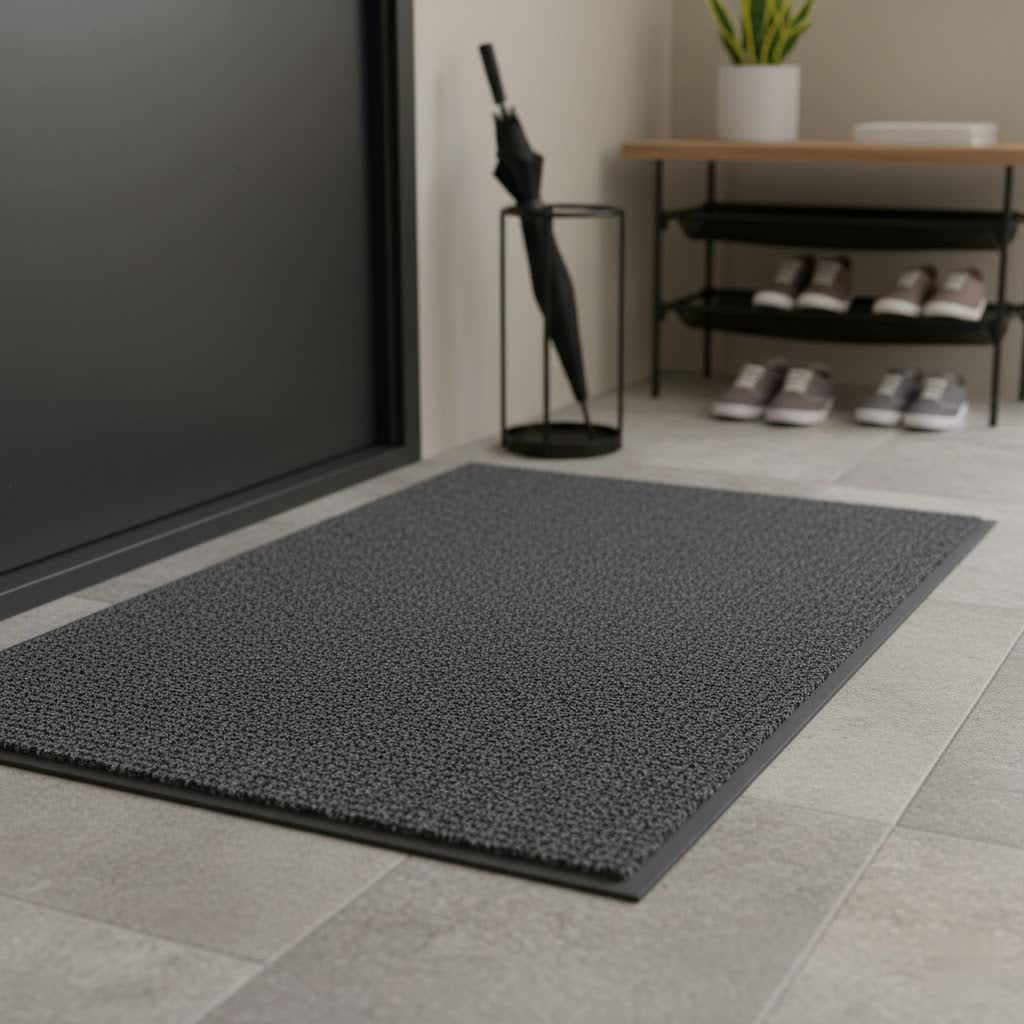
Stepping inside your home after a rainy day or a muddy walk with your pet can quickly turn your pristine floors into a mess. Tracked-in dirt, water, and debris are common culprits behind slippery entryways and extensive cleaning chores. The unsung hero in this daily battle against the elements is a high-quality absorbent door mat. More than just a decorative accent, these mats are specifically engineered to capture moisture and grime at your doorstep, safeguarding your floors and maintaining a cleaner, healthier living space. Let’s delve into the world of absorbent door mats to help you discover the perfect solution for your home.
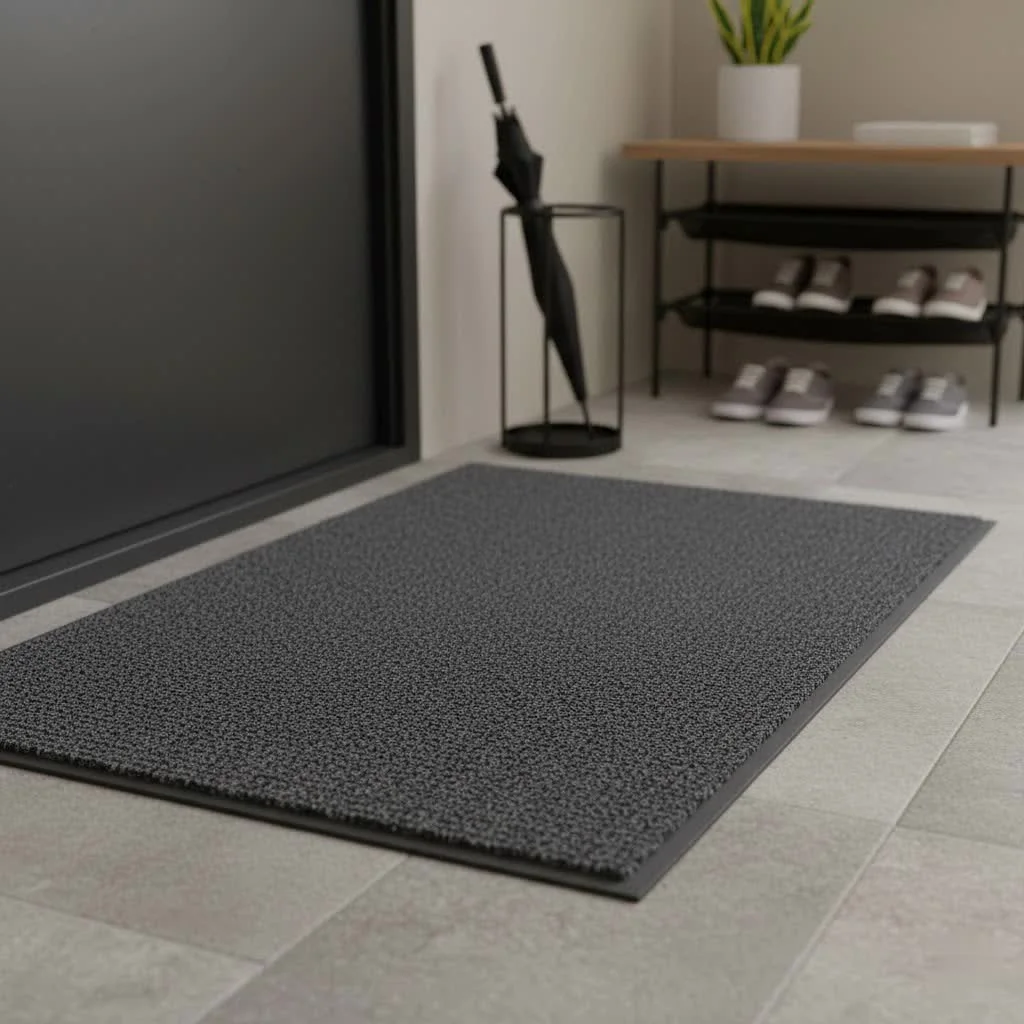
Why an Absorbent Door Mat is Your Home’s First Line of Defense
An effective absorbent door mat does much more than simply wipe your feet; it acts as a critical barrier against the outside world, offering a multitude of benefits for any household.
Absorbent mats use dense, durable fibers to aggressively scrape off and soak up grime from shoes and paws, ensuring the bulk of the mess is contained right at the doorway. This prevents it from spreading across your expensive carpets and hardwoods, drastically reducing the amount of dirt, moisture, and debris that enters your home. Wet entryways are also a significant slipping hazard, and by absorbing excess moisture, these mats keep your floors drier, offering a safer transition from outside to inside. Furthermore, preventing pooling water helps protect flooring materials from long-term water damage and warping.
Beyond cleanliness and safety, a good absorbent door mat contributes to better indoor air quality by trapping allergens, dust, and other irritants before they can circulate through your home. This can be particularly beneficial for allergy sufferers. Ultimately, by containing messes at the source, an absorbent door mat significantly reduces the need for constant mopping and vacuuming, saving you valuable time and effort in your daily cleaning routine.
Exploring Popular Types of Absorbent Door Mat Materials
The effectiveness of an absorbent door mat largely depends on its material. Different fibers and constructions offer varying levels of absorbency, durability, and ease of maintenance.
Synthetic Fiber Absorbent Mats (Microfiber, Polypropylene, Chenille, Nylon)
Synthetic fiber mats are among the most popular choices for their exceptional performance. Materials like microfiber, chenille, and polypropylene are engineered to be highly absorbent, capable of holding several times their weight in liquid. They often feature a plush, soft pile that feels comfortable underfoot and effectively traps moisture and fine dust. Many synthetic mats are machine washable, making them incredibly easy to clean and maintain, and they come in a vast array of colors and designs to complement any home decor. These mats are particularly well-suited for high-traffic indoor areas and homes with pets and children.
Natural Fiber Absorbent Mats (Cotton, Jute, Diatomaceous Earth)
|
Our Picks for the Best Door Mat in 2026
As an Amazon Associate I earn from qualifying purchases.
|
||
| Num | Product | Action |
|---|---|---|
| 1 | Sturdy Front Door Mat, Absorbent Muddy Dirt Resist Welcome Door Mats Outdoor Indoor, Stain and Fade Resistant, Non-Slip Backing Entry Mat Low Profile Doormat for Entryway, 36×24, Blue |

|
| 2 | OLANLY Front Door Mat Indoor Outdoor Entrance, Waterproof All-Season, All-Weather Doormat, Sturdy Natural Rubber, Fade Resistant, Low Profile, Easy Clean Patio Porch Entryway Mat, 29.5x17, Dark Grey |
|
| 3 | Sturdy Front Door Mat, Absorbent Muddy Dirt Resist Welcome Door Mats Outdoor Indoor, Stain and Fade Resistant, Non-Slip Backing Entry Mat Low Profile Doormat for Entryway, 29×17, Beige |
|
| 4 | OLANLY Front Door Mat Indoor Outdoor Entrance, Waterproof All-Season, All-Weather Doormat, Sturdy Natural Rubber, Fade Resistant, Low Profile, Easy Clean Patio Porch Entryway Mat, 29.5x17, Beige |
|
| 5 | Sturdy Front Door Mat, Absorbent Muddy Dirt Resist Welcome Door Mats Outdoor Indoor, Stain and Fade Resistant, Non-Slip Backing Entry Mat Low Profile Doormat for Entryway, 29×17, Coffee |
|
| 6 | OLANLY Front Door Mat Indoor Outdoor Entrance, Waterproof All-Season, All-Weather Doormat, Sturdy Natural Rubber, Fade Resistant, Low Profile, Easy Clean Patio Porch Entryway Mat, 29.5x17, Brown |
|
| 7 | Sturdy Front Door Mat, Absorbent Muddy Dirt Resist Welcome Door Mats Outdoor Indoor, Stain and Fade Resistant, Non-Slip Backing Entry Mat Low Profile Doormat for Entryway, 29×17, Black |
|
| 8 | OLANLY Front Door Mat Indoor Outdoor Entrance, Waterproof All-Season, All-Weather Doormat, Sturdy Natural Rubber, Fade Resistant, Low Profile, Easy Clean Patio Porch Entryway Mat, 29.5x17, Blue |
|
| 9 | OLANLY Front Door Mat Indoor Outdoor Entrance, Waterproof All-Season, All-Weather Doormat, Sturdy Natural Rubber, Fade Resistant, Low Profile, Easy Clean Patio Porch Entryway Mat, 29.5x17, Black |
|
| 10 | OLANLY Front Door Mat Indoor Outdoor Entrance, Waterproof All-Season, All-Weather Doormat, Sturdy Natural Rubber, Fade Resistant, Low Profile, Easy Clean Patio Porch Entryway Mat, 29.5x17, Dark Brown |
|
Natural fibers offer an eco-friendly appeal and distinct properties.
- Cotton/Dense Cotton Blends: Cotton mats are renowned for their natural absorbency and softness. They excel at soaking up water, making them a great choice for indoor entryways, bathrooms, or any area prone to moisture. Like many synthetic options, cotton mats are often machine washable. However, they may take slightly longer to dry and can show dirt more readily than some synthetic counterparts.
- Jute: Jute mats are appreciated for their soft texture, durability, and natural, earthy aesthetic. This sustainable fiber is excellent at hiding dirt and can be easily cleaned with a vacuum. While durable for indoor, low to medium traffic areas, jute is not ideal for heavy wet conditions and has less scraping power compared to coir.
- Diatomaceous Earth (Diatom Mud): A more recent innovation, diatomaceous earth mats are made from a naturally occurring, highly porous sedimentary rock. These mats are incredibly absorbent and feature ultra-fast drying capabilities. They typically have a rigid, stone-like feel and a sleek, modern appearance, often complemented by an anti-slip backing. Diatomaceous earth mats are perfect for contemporary homes and high-moisture zones like bathrooms where rapid drying is crucial.
Rubber-Backed Mats
Regardless of the top fiber, a quality absorbent door mat often features a robust rubber or PVC backing. This backing is crucial for safety and floor protection. It provides excellent non-slip properties, ensuring the mat stays firmly in place even on wet surfaces, thereby preventing hazardous slips and falls. The rubber backing also creates an impermeable barrier, stopping any absorbed moisture from soaking through to and damaging your underlying floors. While they can be heavier and sometimes have an initial rubber scent, their durability and safety benefits make them a superior choice for both indoor and outdoor applications, especially in areas where firm grip and moisture control are paramount.
Comparing Absorbent Door Mat Types
Choosing the right mat involves weighing the pros and cons of each material against your specific needs. Here’s a quick comparison:
| Type of Mat | Advantages | Disadvantages | Best Suited For |
|---|---|---|---|
| Synthetic Fiber | Highly absorbent, easy to clean, diverse styles, often machine washable | Can appear less “natural” | High-traffic indoor areas, homes with pets/kids |
| Natural Fiber | Eco-friendly, excellent absorbency (cotton), good scraping (coir), soft (jute) | Can be harder to deep clean (coir), prone to mold if constantly wet (some types) | Indoor (cotton, jute), outdoor covered (coir for scraping) |
| Diatomaceous Earth | Ultra-absorbent, fast-drying, sleek, modern aesthetic | Rigid, potentially fragile, higher cost, less traditional mat feel | Bathrooms, modern entryways with high moisture |
| Rubber-Backed | Superior non-slip, highly durable, excellent moisture barrier, floor protection | Can be heavy, may have initial rubber odor | Indoor/Outdoor, wet conditions, safety-critical areas |
Your Buying Guide: How to Choose the Best Absorbent Door Mat
Selecting the ideal absorbent door mat involves considering several key factors to ensure it meets both your functional requirements and aesthetic preferences.
Assess Your Needs and Placement
Begin by determining where the mat will be placed. An outdoor mat, especially in an uncovered area, needs to be highly weather-resistant and durable, focusing on scraping debris. An indoor mat might prioritize absorbency and comfort. Consider the traffic level of the area – a busy entryway with kids and pets will demand a more robust and highly absorbent mat than a quiet back door. Your climate is also crucial; rainy or snowy regions necessitate mats with superior water retention and quick-drying properties.
Choose the Right Material
Refer to the material types discussed above and match their properties to your needs. For instance, if maximum water absorption is key, a microfiber or dense cotton blend might be best. If you need robust scraping power for muddy boots, a coir mat or a synthetic mat with a textured waffle pattern would be ideal. Always prioritize materials that are safe for your household, especially if you have children or pets.
Size and Shape Matters
A door mat should be proportionate to your entryway. It should be wide enough to cover the breadth of your doorway and long enough to allow for at least two full foot-wipes before stepping onto your main floor. For practical reasons, ensure the mat’s profile is low enough to allow for easy door clearance without catching. Beyond functionality, the shape (rectangle, runner, half-moon, oval) and size can significantly impact the visual appeal of your entrance.
Don’t Forget Style and Aesthetics
While functionality is paramount, your door mat is often the first decorative element visitors see. Choose colors and patterns that harmonize with your home’s exterior or interior decor. Subtle patterns can also help to hide everyday dirt and wear. For added flair, you might consider layering a plain absorbent mat under a more decorative, open-weave outdoor rug.
Check for Key Features
Look for these essential elements when making your final decision:
- Non-Slip Backing: This is non-negotiable for safety. A durable rubber or PVC backing will keep the mat securely in place, even when wet.
- Drying Speed: A mat that dries quickly helps prevent mold, mildew, and unpleasant odors, especially in consistently damp environments.
- Durability: High-quality fibers and strong construction ensure the mat withstands heavy foot traffic and frequent cleaning, providing long-lasting performance.
- Easy Maintenance: Consider how easy the mat is to clean. Machine washable options offer ultimate convenience, while others may require vacuuming, shaking, or hosing down.
Top Absorbent Door Mat Recommendations
While specific product names vary, certain types of absorbent door mats consistently deliver excellent performance.
The All-Rounder: High-Pile Microfiber Mat
For versatile performance in busy indoor spaces, a high-pile microfiber mat is often an excellent choice. Its soft, plush texture is incredibly effective at trapping both moisture and fine dirt. Many are designed to be machine washable, making them simple to maintain for households with pets and children.
The Heavy-Duty Hero: Waterhog-Style Mat
Inspired by commercial-grade matting, Waterhog-style mats typically feature a distinctive waffle or diamond pattern made from durable polypropylene fibers and a robust rubber backing. These mats are renowned for their superior scraping and absorbing capabilities, making them incredibly effective in all weather conditions. Often crafted from recycled materials, they are built to withstand extreme foot traffic and harsh elements.
The Modern Minimalist: Diatomaceous Earth Mat
For those seeking a sleek, contemporary look with unparalleled drying power, a diatomaceous earth mat is a standout. Its stone-like composition allows for incredible water absorption and extremely fast drying, preventing water puddles and inhibiting bacterial growth. These mats are perfect for modern entryways or as a highly functional bathroom mat.
Keeping Your Absorbent Door Mat in Top Shape: Care and Maintenance Tips
To maximize the life and effectiveness of your absorbent door mat, regular care is essential. Consistent maintenance ensures it continues to trap dirt and absorb moisture efficiently.
- Regular Cleaning: Give your mat a good shake outdoors or a thorough vacuuming weekly, especially for high-traffic areas, to dislodge loose dirt and debris.
- Deep Cleaning: Depending on the material and usage, deep clean your mat monthly or seasonally. Many synthetic and cotton mats are machine washable (always check the care label). Rubber-backed or outdoor mats can often be hosed down and scrubbed with a mild detergent.
- Spot Cleaning: For stubborn stains, gently scrub the affected area with a mild soap and water solution, avoiding harsh chemicals that could damage the fibers or backing.
- Thorough Drying: Always allow your mat to air dry completely before placing it back in use. This is crucial for preventing mold, mildew, and unpleasant odors, and helps maintain the mat’s integrity.
- Rotation and Replacement: Rotate your mat periodically to ensure even wear across its surface. Over time, all mats will show signs of wear, such as thinning fibers or a cracked backing. Generally, replacing your door mat every two years ensures optimal performance and appearance. According to advice from The Spruce, frequent cleaning combined with proper drying routines can double your mat’s lifespan, saving money and hassle in the long run.
Conclusion
An absorbent door mat is a small investment that yields significant returns in cleanliness, safety, and floor protection. By understanding the different materials, their unique benefits, and what to look for in a quality mat, you can choose a product that not only meets your practical needs but also enhances your home’s aesthetic. From preventing slips and falls to keeping dirt and moisture at bay, the right absorbent door mat is an indispensable tool for maintaining a welcoming and spotless home. Take the time to consider your specific needs and choose wisely.
What difference has a truly absorbent door mat made in your home?
Frequently Asked Questions
How often should I clean my absorbent door mat?
For best performance, vacuum or shake your mat weekly to remove loose dirt. Deep clean it monthly for indoor mats, or more frequently for outdoor and high-traffic areas, especially during wet seasons.
Can absorbent door mats be used outdoors?
Yes, many absorbent mats are designed for both indoor and outdoor use. For outdoor placement, especially in uncovered areas, look for mats with robust, weather-resistant materials and a durable rubber or PVC backing to withstand the elements.
What materials are best for trapping mud and water?
Microfiber, dense cotton blends, and polypropylene are highly effective at absorbing water. For scraping mud and larger debris, coir (coconut husk) and synthetic mats with a textured, waffle-like pattern are excellent choices.
Do absorbent door mats prevent slips?
Absolutely. By soaking up moisture and keeping your floors dry, absorbent mats significantly reduce the risk of slips and falls caused by wet surfaces. A good quality mat will also feature a non-slip backing, further enhancing safety.
How do I know when to replace my door mat?
It’s time to replace your door mat if you notice thinning or fraying fibers, a worn-out or cracked backing, or if it no longer effectively absorbs moisture and traps dirt. As a general guideline, consider replacement approximately every two years with regular use.
Get our weekly buyer guide
Practical specs, not advice. Unsubscribe anytime.
